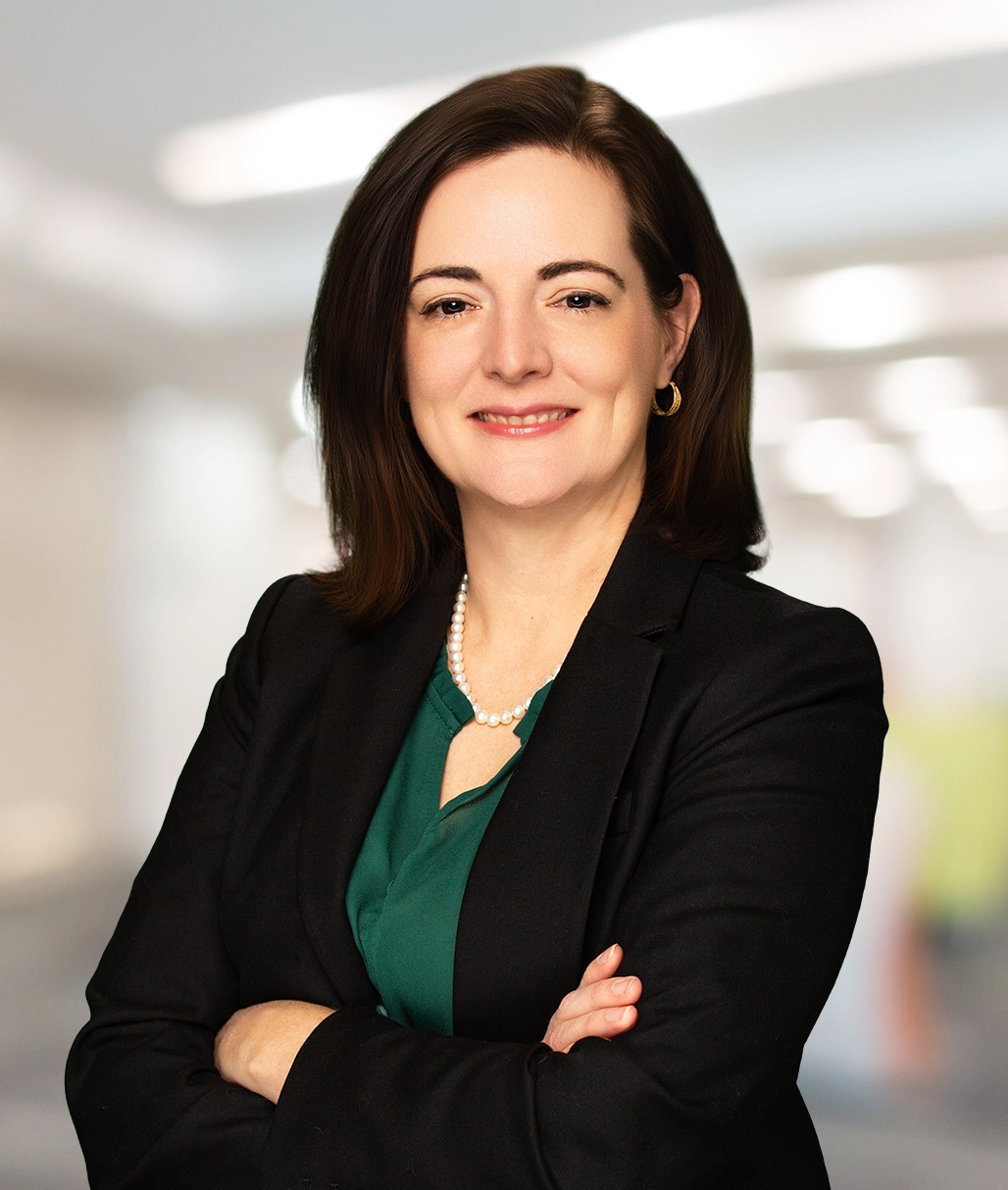
Helen M. Genova, PhD, is the associate director of the Center for Autism Research at Kessler Foundation and director of the Social Cognition and Neuroscience Laboratory. She is also an assistant research professor in the Department of Physical Medicine and Rehabilitation at Rutgers New Jersey Medical School. She received her Doctorate degree in Neuroscience from this same university.
Utilizing both behavioral and neuroimaging methods, Dr. Genova’s research focuses on studying social cognition and emotional processing issues across multiple populations. She plays an important role in pioneering innovative research, applying interventions that target social cognition deficits in autism, multiple sclerosis, and traumatic brain injury, and exploring the assessment and treatment of cognitive fatigue in clinical populations. Dr. Genova serves on the Human Rights Committee of REED Next, which safeguards and ensures the rights of individuals with disabilities by promoting dignity and autonomy.
Since the start of her professional career, she has successfully obtained grant funding from National Institutes of Health, National Institute on Disability, Independent Living and Rehabilitation Research, National Multiple Sclerosis Society, New Jersey Commission on Traumatic Brain Injury Research, ARSEP Foundation, Consortium of Multiple Sclerosis Centers, and Department of Veteran’s Affairs.
Background and Expertise
Expertise
Education
Publications
View a more comprehensive listing of publications for Dr. Genova on ResearchGate.
Research Interests
Dr. Genova's work focuses on developing accessible, evidence-based interventions for individuals on the autism spectrum across the lifespan, with particular attention to the transition from adolescence to adulthood, as well as for adults with multiple sclerosis and traumatic brain injury. Her research studies social cognition, the skills needed to understand and respond to others’ emotions, and how these abilities are affected by factors such as social isolation, depression, fatigue, and quality of life. She uses a range of assessment methods, including neuropsychological testing, eye-tracking, neuroimaging, and virtual reality. Dr. Genova translates research on social and cognitive functioning into practical strategies that support real-world participation and independence.
Explore Open Research Studies
Multimedia