
volunteers have joined our research in the last ten years
of our volunteers have joined more than one study
research sessions completed in the last five years
active rehabilitation research studies
Kessler Foundation is a community of dreamers and doers advancing inclusion through innovative research. Our renowned scientists develop and test novel interventions that maximize recovery and expand opportunities for people with disabilities to engage actively in their homes, communities, and workplaces. This work supports people affected by traumatic brain injury, spinal cord injury, stroke, multiple sclerosis, autism, and other neurological and developmental conditions.

Our progress is made possible by the commitment of our research participants, the generosity of our donors, and the dedication of our scientists. Together, we are advancing recovery and independence for people with disabilities.
Everyone in our life is raving about how well Maria is doing. They almost take for granted what she can do now.
So many autistic kids have immense talent and a strong desire to do more yet haven’t been given the opportunity. This line of research makes that possible, and we’re so proud to be part of it.

Now I can continue full-time work with energy left to enjoy being with my family and friends and even go bowling.

It’s a lot of hard work, but the Kessler Foundation team is incredible and putting in tremendous effort alongside me as I strive to regain function. Even if my progress is modest, I’m part of a solution that will ultimately help everyone with spinal cord injury.

As a veteran, I understand the value of service. As a research participant, I understand the value of scientific discovery. Rehabilitation research gave me the opportunity to move forward, adapt to new challenges, and continue contributing to my community.

By using these visualization techniques during trips where I was well outside my comfort zone, I retained more from each experience and came home bigger than when I left. Thanks to donors like you, people like me can contribute to a growing body of knowledge, collective knowledge, that will surely impact the science and understanding of healthy aging.

Every breakthrough at Kessler Foundation is made possible through philanthropic support. Your generosity helps researchers translate promising ideas from the laboratory into real‑world solutions that improve mobility, cognition, community engagement, and quality of life. Your support advances evidence‑based rehabilitation, improves outcomes, and reduces barriers to independence and inclusion, today and for generations to come.

Kessler Foundation, in collaboration with the University of New Hampshire Institute on Disability, issues customized, monthly reports titled “National Trends in Disability Employment.”
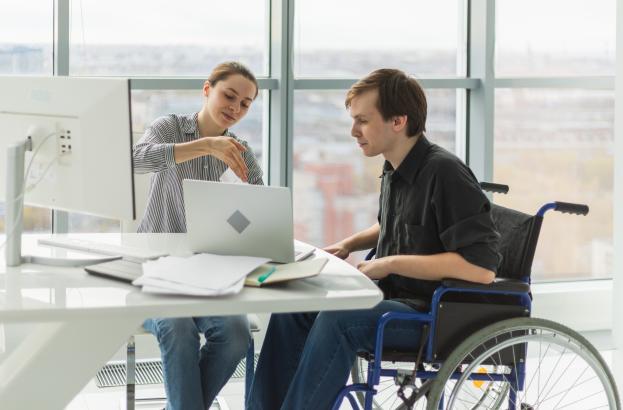
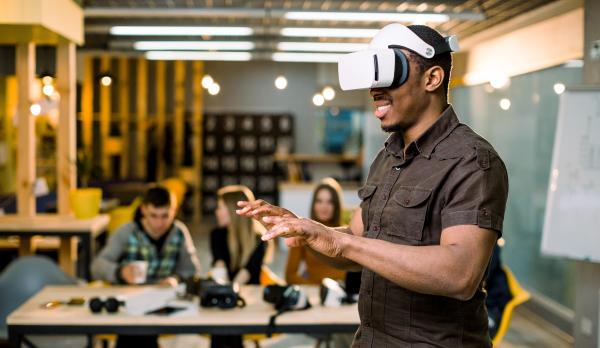
Curious About Joining a Study? Here’s What to Expect By Jacqueline Leddy, Research Recruitment Manager
Explore local and national resources for people with disabilities, families, caregivers, and clinicians. Find practical guidance on employment, accessibility, recreation, community participation, and more. The collection features trusted information from many sources, along with select materials informed by Kessler Foundation research.

Follow along for our latest posts.