
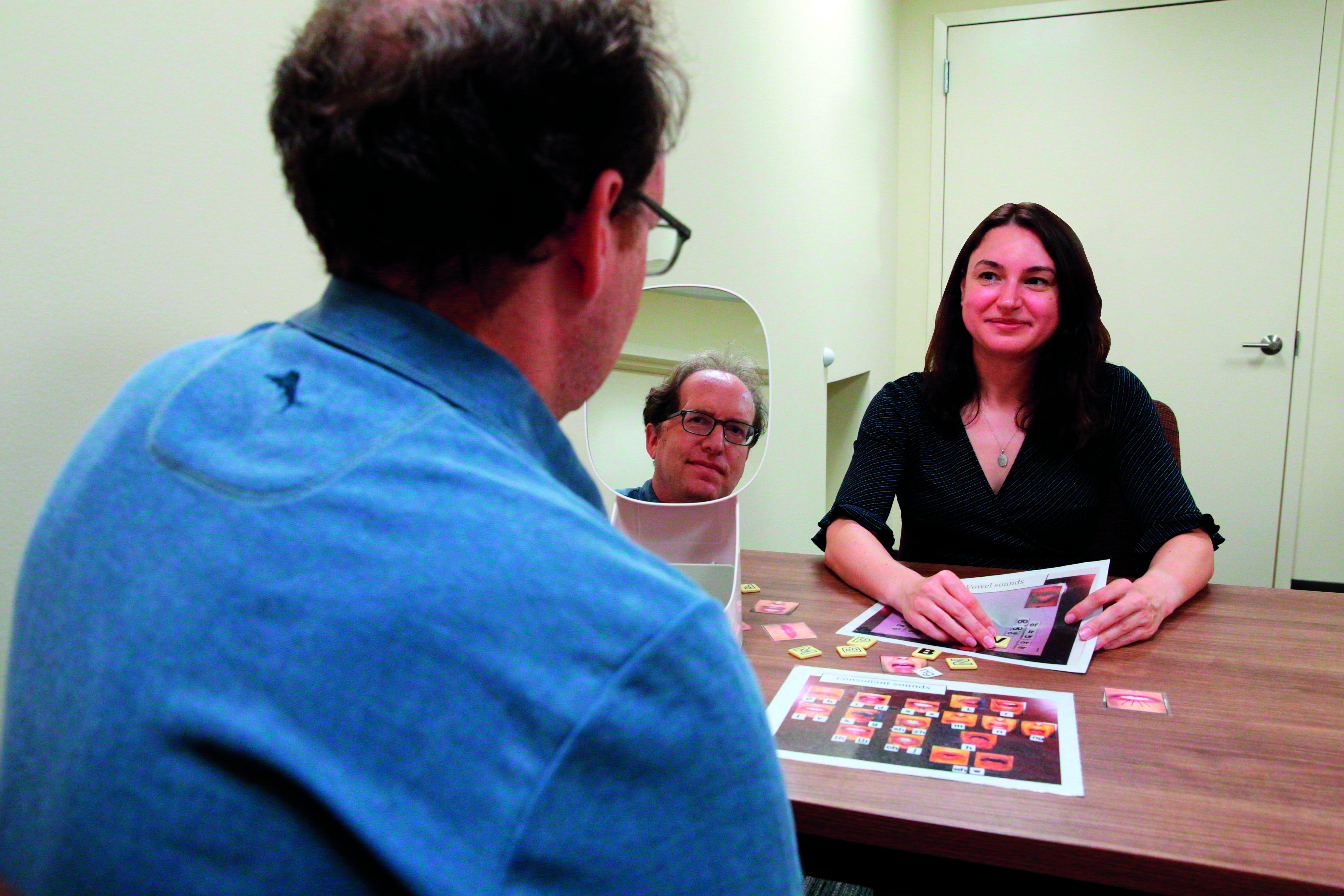
We hold our science to the highest standards because people depend on the results. At Kessler Foundation, every study is guided by the goal of translating rigorous research into practical solutions that improve function, independence, and quality of life.
internationally renowned principal investigators leading studies
peer-reviewed publications in the last five years
national and international presentations in the last five years
grants received in the last five years
Explore our research by condition, outcome area, or opportunity to participate
We research traumatic brain injury to advance recovery of thinking skills, movement, and everyday function, helping people regain independence and improve long‑term outcomes.
Our stroke research focuses on improving mobility, cognition, communication, and spatial awareness, supporting recovery and participation in daily life after stroke.
We study multiple sclerosis to address common challenges such as mobility limitations, cognitive changes, and fatigue, with the goal of supporting function, independence, and quality of life.
Our scientists take a strengths‑based approach to autism and neurodiversity, developing research‑backed strategies that support communication, participation, and meaningful life outcomes.
We study mild cognitive impairment and aging to identify ways to preserve cognitive function, reduce fall risk, and support healthy aging and independence over time.
Our research explores noninvasive and regenerative approaches to reduce joint pain, restore movement, and improve function using innovative rehabilitation techniques and technology.
We investigate ways to reduce fatigue and weakness after cancer treatment and support recovery, return to work, and quality of life for cancer survivors.
Across conditions, our research focuses on outcomes that matter most in everyday life
We advance research to restore and enhance mobility using innovative rehabilitation techniques, robotics, and neuromodulation, supporting greater independence and participation in daily life.
Our research focuses on improving cognitive skills, such as memory, attention, and information processing, to help individuals navigate everyday activities and maintain independence across the lifespan.
We examine how access to care, community participation, and supportive environments influence quality of life, and identify strategies to promote inclusion, independence, and well-being.
Our research aims to improve employment outcomes by addressing barriers to workforce participation and advancing evidence‑based strategies that support inclusion, independence, and economic security.
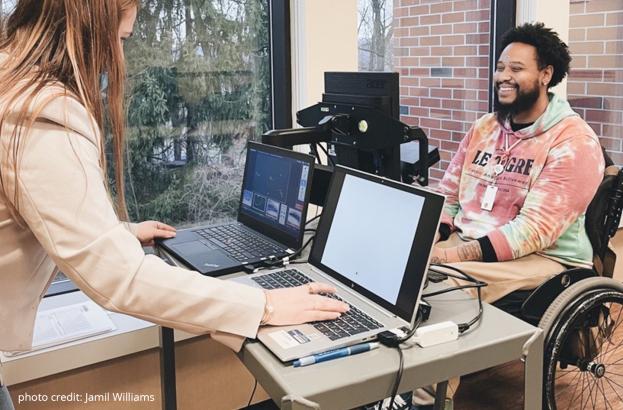
This study explores a new set of hands-free tests that will assess ability to learn new information and how quickly participants process information. These new tests use a system that measures the movement of your eye (an "eye tracking system") to record responses to various thinking tasks.
Rigorous Science, Real-World Results
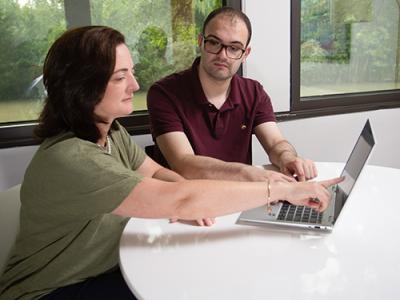
Turning Gabriel's Interview Anxiety into Confidence
For Gabriel, an autistic young adult, each practice job interview with KF-Stride® learning program built his confidence and helped him recognize the strengths he already possessed...
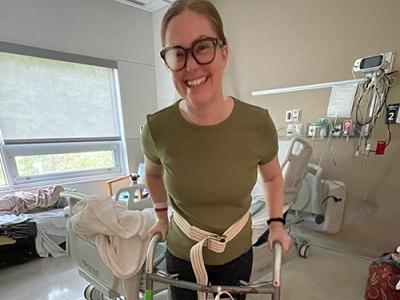
Hillary's Recovery to Advocacy After Traumatic Brain Injury
Her recovery from spatial neglect after a TBI began with a research study, but what Hillary Hartnett did next transformed far more than her own life...
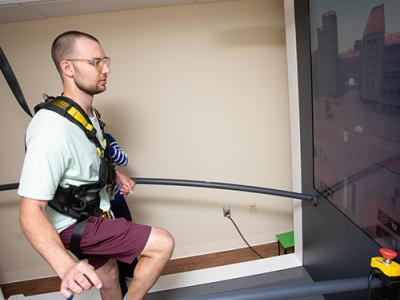
Augmented Reality Empowers Johan's Independence
Once facing profound challenges after brain injury, Johan is now walking unassisted. Discover the augmented reality technology behind his life-changing progress...
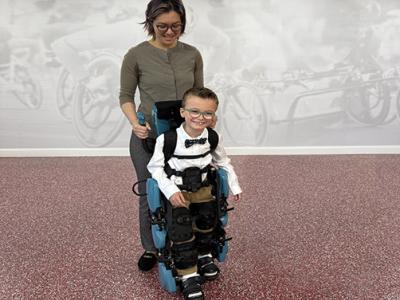
Robotic Exoskeleton Helps Colin Step Forward
When six-year-old Colin Witte, who has cerebral palsy, learned he would be among the first children in the country to try a pediatric robotic exoskeleton, he was thrilled. “I named it Iron Man...”
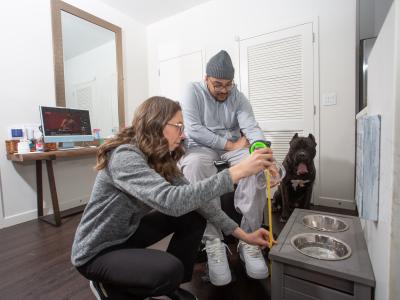
Louis Ayala at Home, Safe and Stronger After SCI
After a motorcycle crash left Louis Ayala with a spinal cord injury, returning home after rehabilitation brought a new set of challenges. “You leave rehab and suddenly you’re dealing with everything on your own. “It’s overwhelming…”
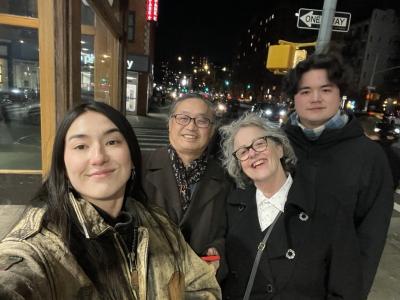
Jessica Huff, Seen for Who I Am
Jessica Huff shares how research participation helped her navigate life after traumatic brain injury, build new strategies, and continue moving forward with hope...
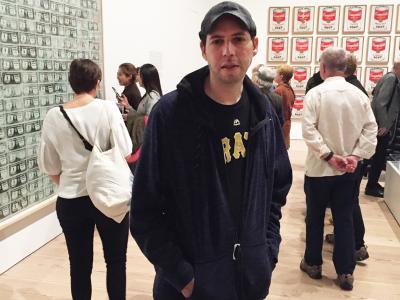
Kenny Diamond, From Love, A Lasting Impact
The Kenny Diamond Memorial Fund to support research in spinal cord injury at Kessler Foundation was established by the Diamond family to honor their son Kenny who passed away...
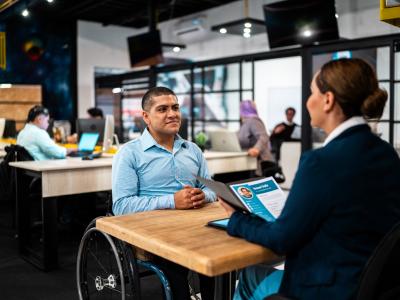
Employment After Spinal Cord Injury
For people living with spinal cord injury, returning to work can be one a meaningful but difficult milestones in recovery...
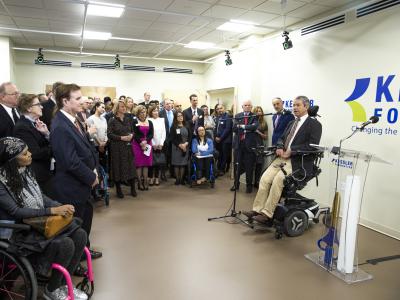
Peter Hersh, Life With SCI, Made Easier
Dr. Peter Hersh, who lives with a spinal cord injury, was among the first to experience transcutaneous spinal stimulation...
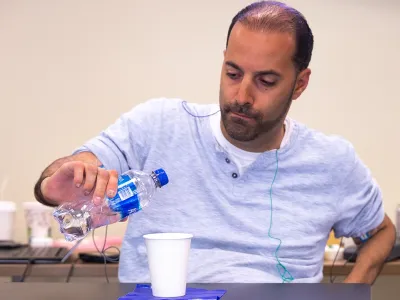
Small Movements. Big Wins.
After sustaining a spinal cord injury in 2004, Jimmy approaches his post-injury rehabilitation with the same athletic drive he put into baseball...
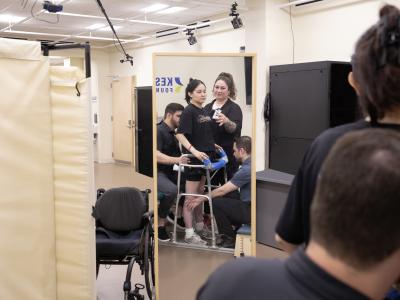
Alexa Is Making Moves After SCI
At age 21, Alexa Alvarez was diagnosed with acute transverse myelitis, a rare nontraumatic cause of spinal cord injury...
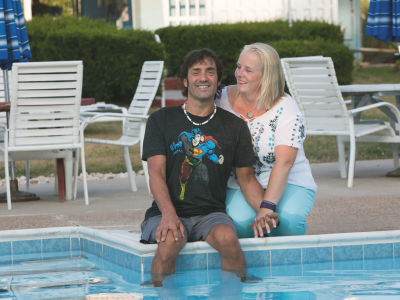
Bill Pastras, Why Research Matters to Me After My Stroke and TBI
In 2017, my life changed in an instant. While driving on the New Jersey Turnpike, I suddenly felt weak and lost control of my car...
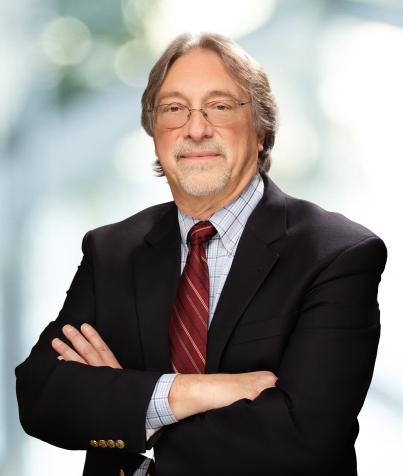
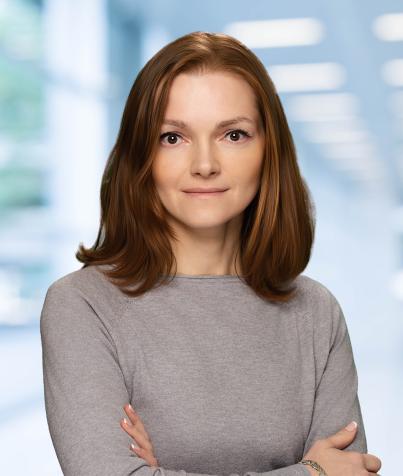
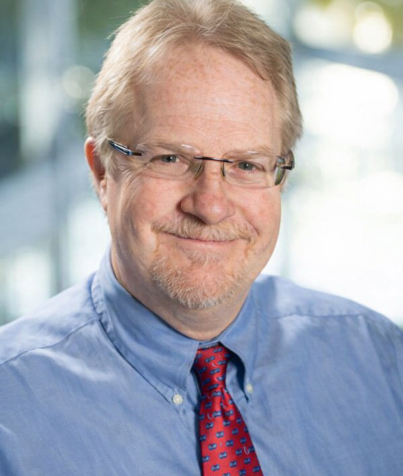
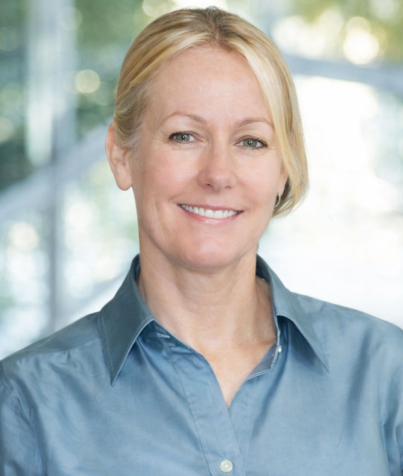
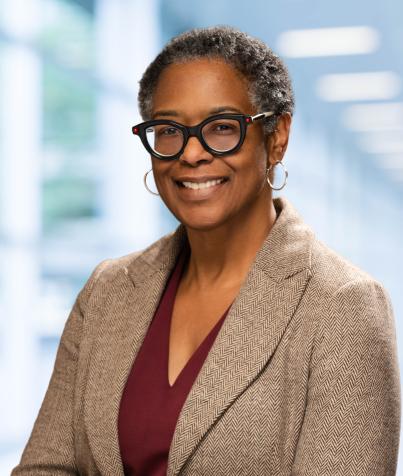
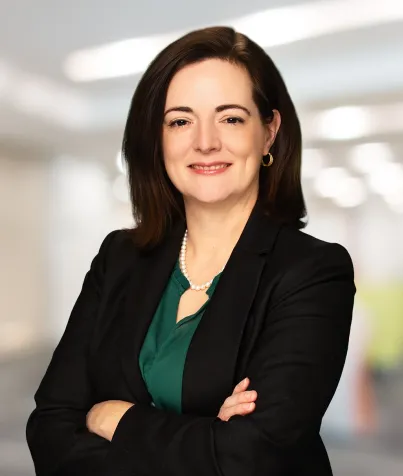
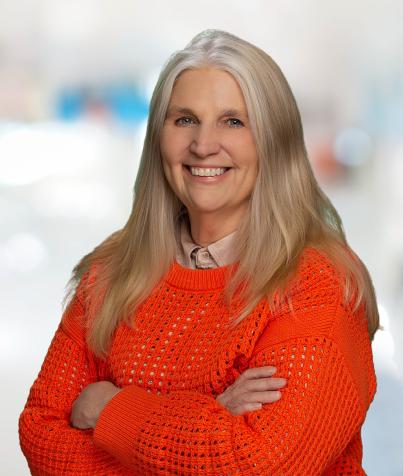
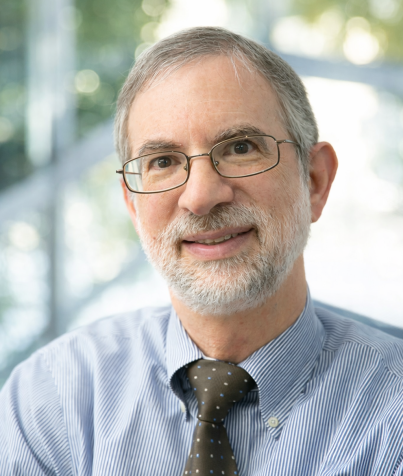
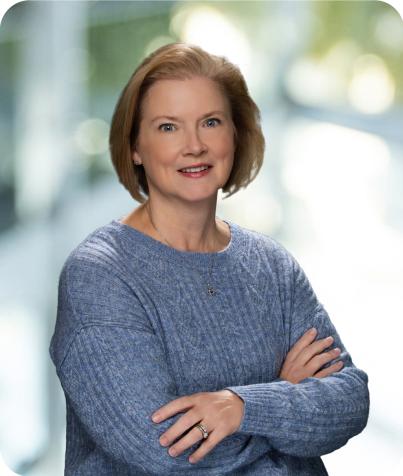
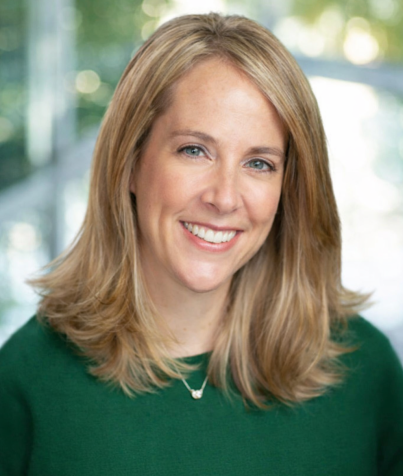
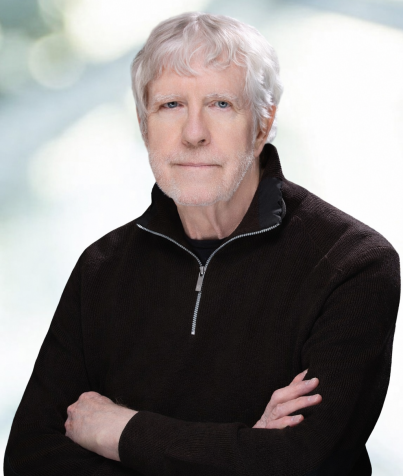
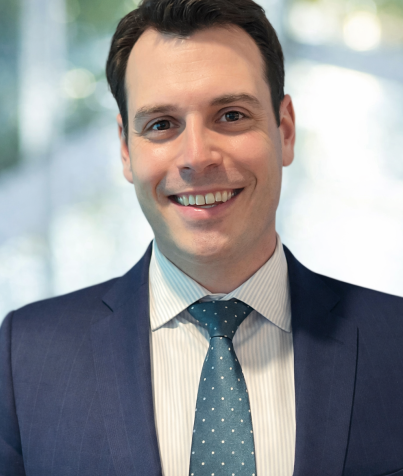
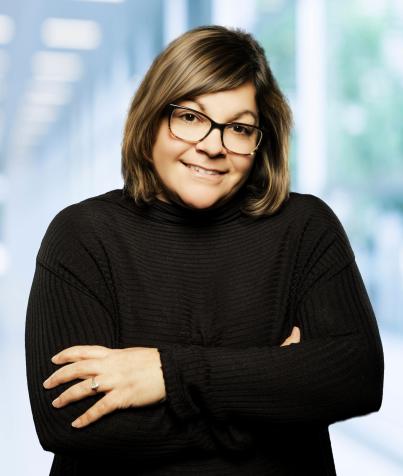
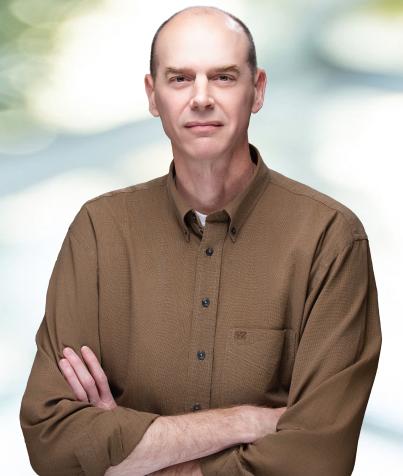
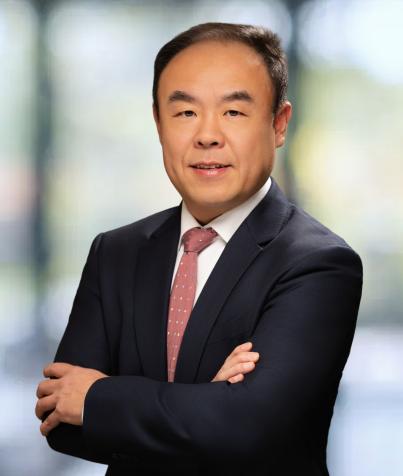
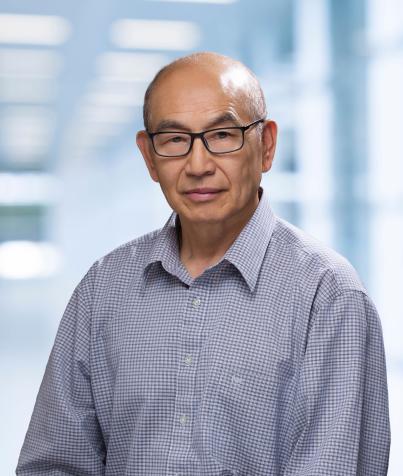
Our scientific leaders set research priorities, mentor the next generation of investigators, and accelerate translation into real‑world care.

Important Resources and Opportunities
Learn more, get involved, or advance your career through the following resources
We regularly launch new studies, each offering a unique opportunity for volunteers to play a vital role in advancing rehabilitation science. Find one that interests you. You may be compensated for your time and travel.
Kessler Foundation and Kessler Institute for Rehabilitation work together on two federally designated Model Systems for traumatic brain and spinal cord injury. Each Model System is part of a national network of specialized centers that provide coordinated care, lead innovative research, and collect long-term data to advance rehabilitation and improve outcomes.
Learn more about these centers of excellence:
Northern New Jersey Traumatic Brain Injury System (NNJTBIS)
Kessler Foundation Learning Center offers flexible, online courses for rehabilitation professionals, clinicians, and caregivers. Discover research-backed interventions for stroke and brain injury survivors, people with spinal cord injury, and young people with learning and thinking differences.
The Institutional Review Board is an independent committee that protects the rights and safety of individuals participating in research at Kessler Foundation. The IRB reviews each study to ensure that any potential risks are minimized and justified by the expected benefits.
Our Advanced Rehabilitation Research Training Program equips postdoctoral fellows with the knowledge, skills, and expertise to advance clinical research and enhance rehabilitation outcomes.
Kessler Foundation research Centers are nationally recognized in neuroscience, neuropsychology, neurology, biomedical engineering, public health, and disability employment. Treatments developed by our scientists are used by rehabilitation professionals worldwide.
The Power of Partnership
Collaboration Improves Care
We partner with leading clinical and research organizations both nationally and internationally to accelerate discoveries, test bold ideas, and apply research findings to improve real-world care. Together, we accelerate translation from discovery to clinical practice through multi‑site studies, shared infrastructure, and dissemination.
