
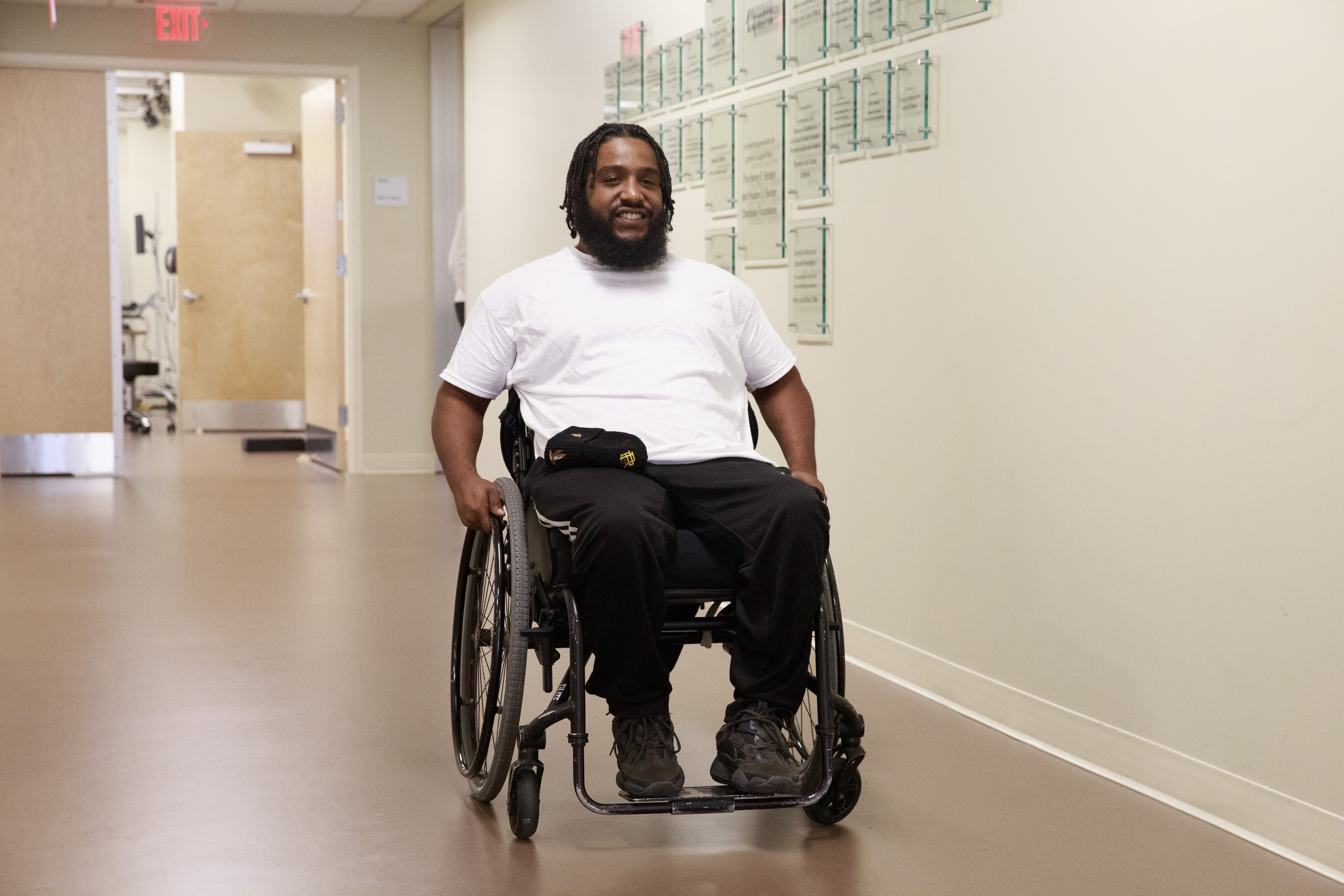
Almost 20 years ago, my life changed in an instant.
I was 21 years old, sitting in my car on a hot August evening, listening to music and waiting to pick up a friend. I was completely unaware of what was about to happen. Moments later, I woke up in the hospital and learned I had been shot in a drive-by shooting. I was an innocent bystander, paralyzed from the waist down.
Doctors were able to stabilize me, but they could not remove the bullet lodged in my spine without risking further damage. The injury left me with no sensation or muscle movement below my midsection. I lost mobility, bowel and bladder control, and sexual function. Overnight, the future I imagined for myself disappeared.
Like so many people with spinal cord injury, I was devastated. At the time, recovery was considered unlikely, even impossible. I was told to focus on adapting to a new reality rather than expecting meaningful improvement. While I worked hard in rehabilitation, the idea of regaining sensation or movement felt like a distant dream.
What I did not know then was that research would give me something just as important as physical recovery. It would give me hope.
A New Kind of Possibility
My journey took a turning point when I became involved with research at Kessler Foundation. For the first time since my injury, I was introduced to scientists and clinicians who believed that the nervous system could do more than we once thought possible.
Researchers at the Tim and Caroline Reynolds Center for Spinal Stimulation are studying how electrical stimulation of the spinal cord can help restore function in people with spinal cord injury, including those of us who are long-term survivors. Instead of accepting loss as permanent, they are asking bold questions about recovery, independence, and quality of life.
Through my participation in a recent study, something remarkable happened. I began to regain sensation in my legs. Slowly, I also experienced some voluntary movement. These changes did not happen overnight, and they are not a cure. But they are real, measurable improvements that once seemed out of reach.
For someone who was told recovery was a dream, these moments are life-changing.
The Human Side of Research
Scientific progress is often described in data points and outcomes, but for participants like me, it is deeply personal.
The research teams at Kessler Foundation bring more than technical expertise. They bring encouragement, patience, and a genuine belief in the people they work with. Over time, my strength, balance, and overall health have improved. Just as important, my outlook has changed.
Being part of this research helped me shift from focusing on what I lost to imagining what might still be possible. That shift affects every part of life.
Since my injury, I have worked hard to rebuild. With my family's support, I let go of much of my anger and learned to adapt to a new normal. I returned to school to become a social worker so I can help others navigate difficult life changes. I also became engaged to a wonderful woman with two children, which means I am preparing for life as a husband and father.
These milestones are not separate from my research experience. They are connected. When your body shows signs of progress, your confidence grows. When you feel supported by a community that believes in science and possibility, you begin to believe in yourself again.
Why This Work Matters
Spinal cord injury affects every aspect of a person’s life, from physical health to emotional well-being and independence. For decades, expectations for recovery were limited. Research like this is changing that narrative.
What makes this work so powerful is that it is focused on real people living real lives. It is about improving outcomes and expanding the possibilities of what independence can look like after injury. Even small gains can have a profound impact on daily living, dignity, and long-term health.
I am just one story, but there are many others like mine. Each study contributes to a growing understanding of how the spinal cord can respond to stimulation and how targeted research can open doors that once seemed closed.
Looking Forward
There are no words that fully capture what it means to regain sensation or movement after being told it might never happen. Gratitude comes close, but so does responsibility.
I feel proud to be part of research that is pushing rehabilitation forward. I feel hopeful knowing that future participants may benefit even more as this work continues to evolve. Most of all, I feel encouraged that science, passion, and determination can come together to improve lives.
My story is not about a single breakthrough. It is about progress, persistence, and the belief that people with disabilities deserve every opportunity to live full, meaningful lives.
For me, research did more than change my body. It changed my outlook on the future.
