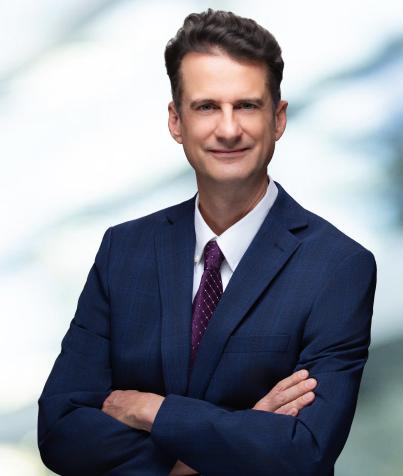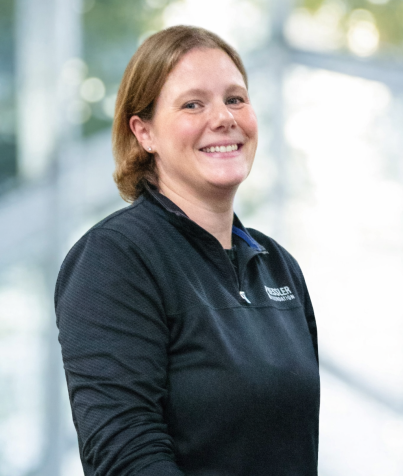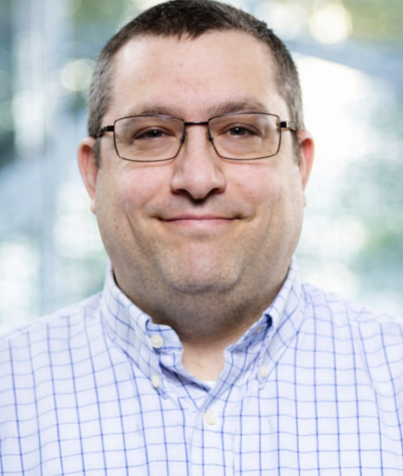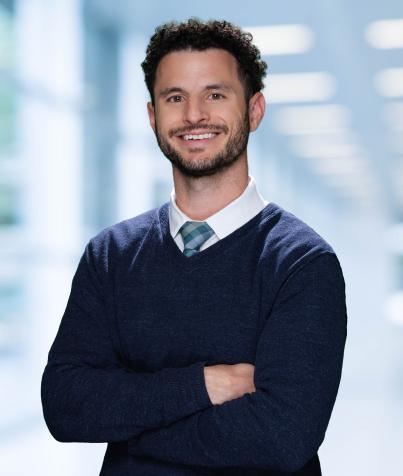
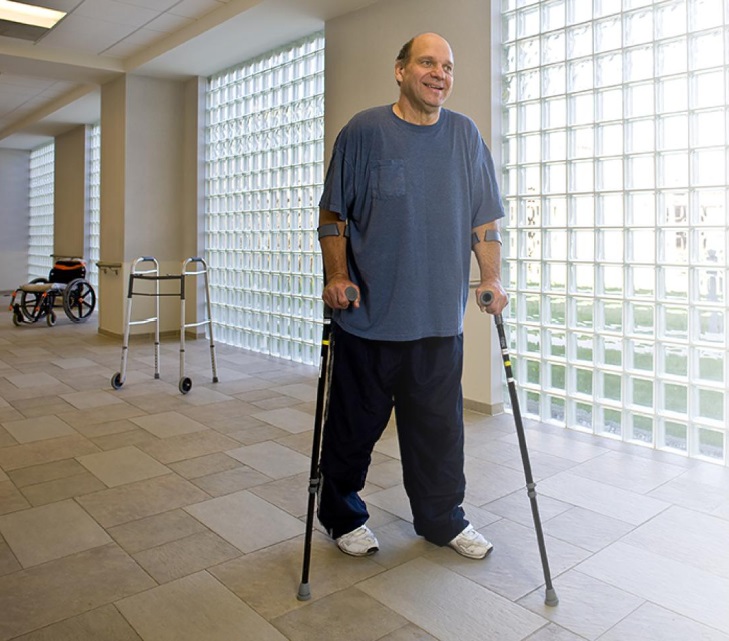
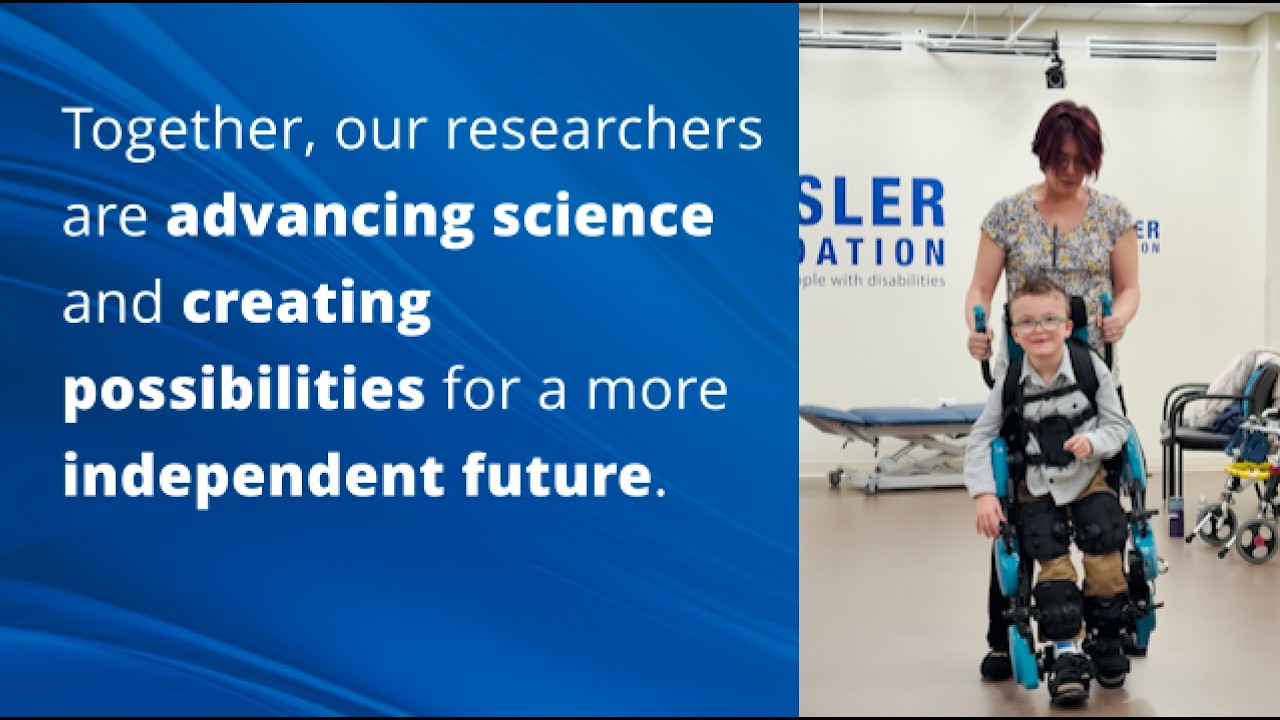
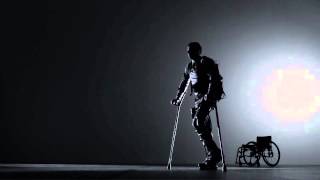
Our scientists have conducted pioneering research in different types of wearable robotics, including the Ekso GT, ReWalk, and Indego. The focus of their robotics research extends beyond restoring mobility to the impact on common complications that affect quality of life, including bone loss, muscle weakness, loss of bowel and bladder function, chronic pain, and sexual dysfunction.
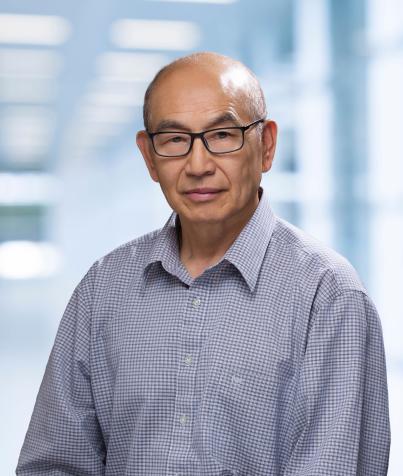
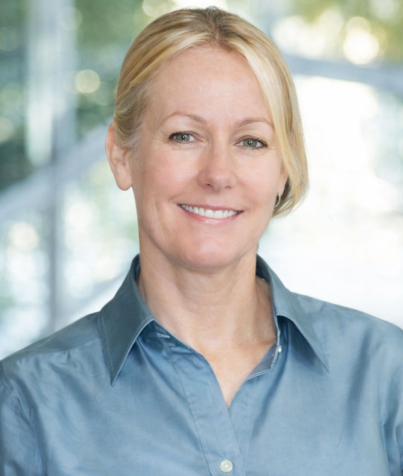
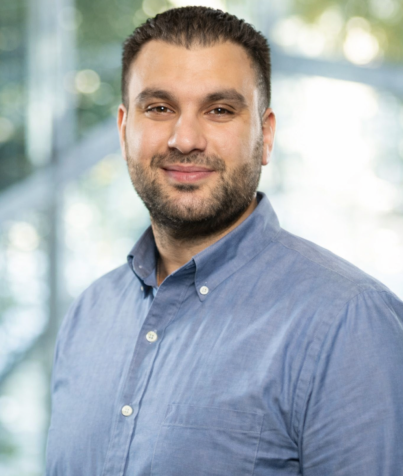
Center Leadership
Center Leadership

Advancing Mobility Through Innovation
The Rehabilitation Engineering Research Center (RERC) at Kessler Foundation advances innovative technologies that improve mobility, balance, walking, and independence for people with stroke, spinal cord injury, and multiple sclerosis. Through research in robotics, neuromodulation, artificial intelligence, and rehabilitation engineering, our scientists develop and test next-generation therapies that strengthen communication between the brain, spinal cord, and muscles.
Your Support Drives Change
When you give to Kessler Foundation, you change the landscape of what's possible and give life to our mobility research.
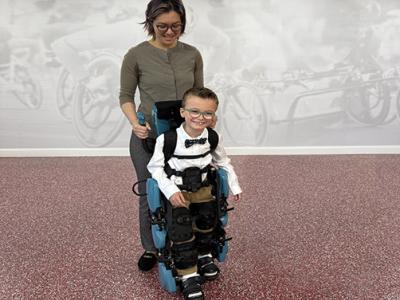
Robotic Exoskeleton Helps Colin Step Forward
When six-year-old Colin Witte, who has cerebral palsy, learned he would be among the first children in the country to try a pediatric robotic exoskeleton, he was thrilled. “I named it Iron Man...”
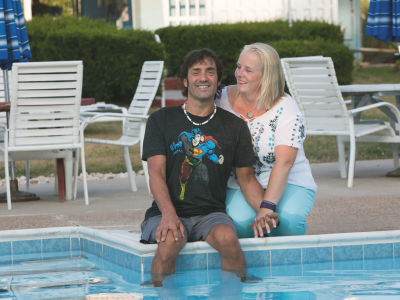
Bill Pastras, Why Research Matters to Me After My Stroke and TBI
In 2017, my life changed in an instant. While driving on the New Jersey Turnpike, I suddenly felt weak and lost control of my car...
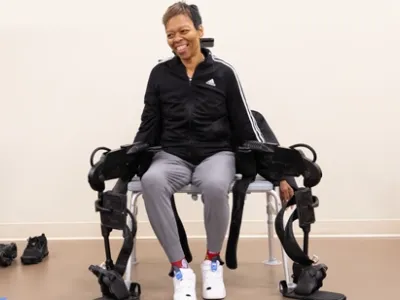
Racquel Porter, A Major Step Forward After Stroke
Racquel Porter, a charter school paraprofessional, survived a stroke last year. “It was life-changing,” Racquel says, “but it’s my nature to stay positive.”
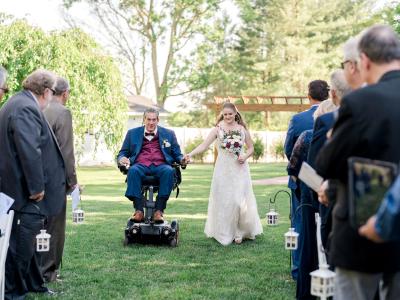
Ted Talis's SCI Recovery Mission
Retired cybersecurity executive, father of three, and spinal cord injury survivor Ted Talis is on a recovery mission.
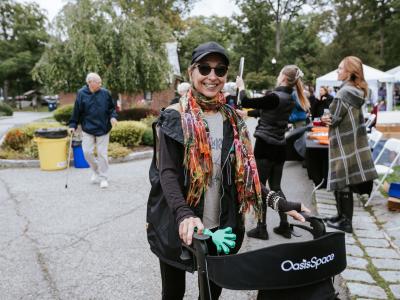
Carla Basante Adapts and Gives Back After MS
Carla Basante lives with multiple sclerosis and has been a longtime participant in Kessler Foundation research...
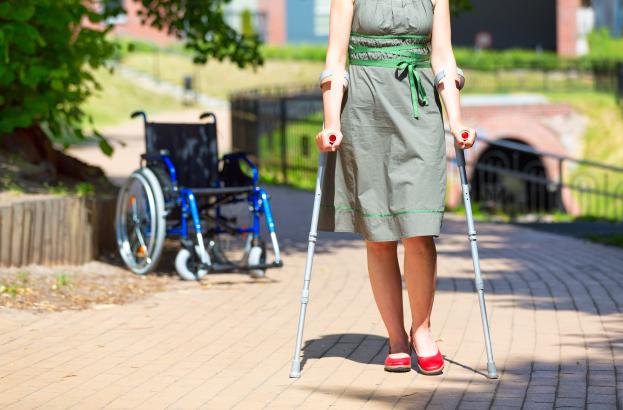
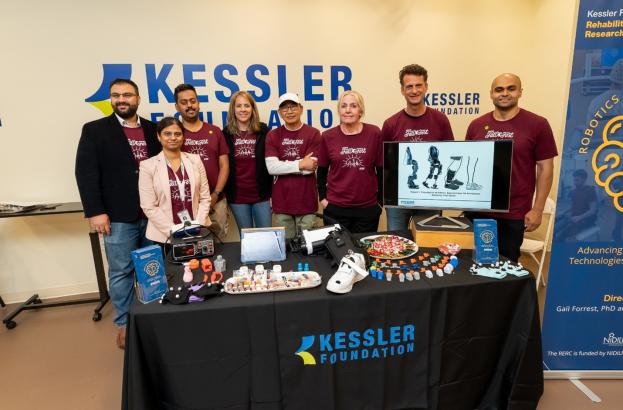
Our Scientists in Action
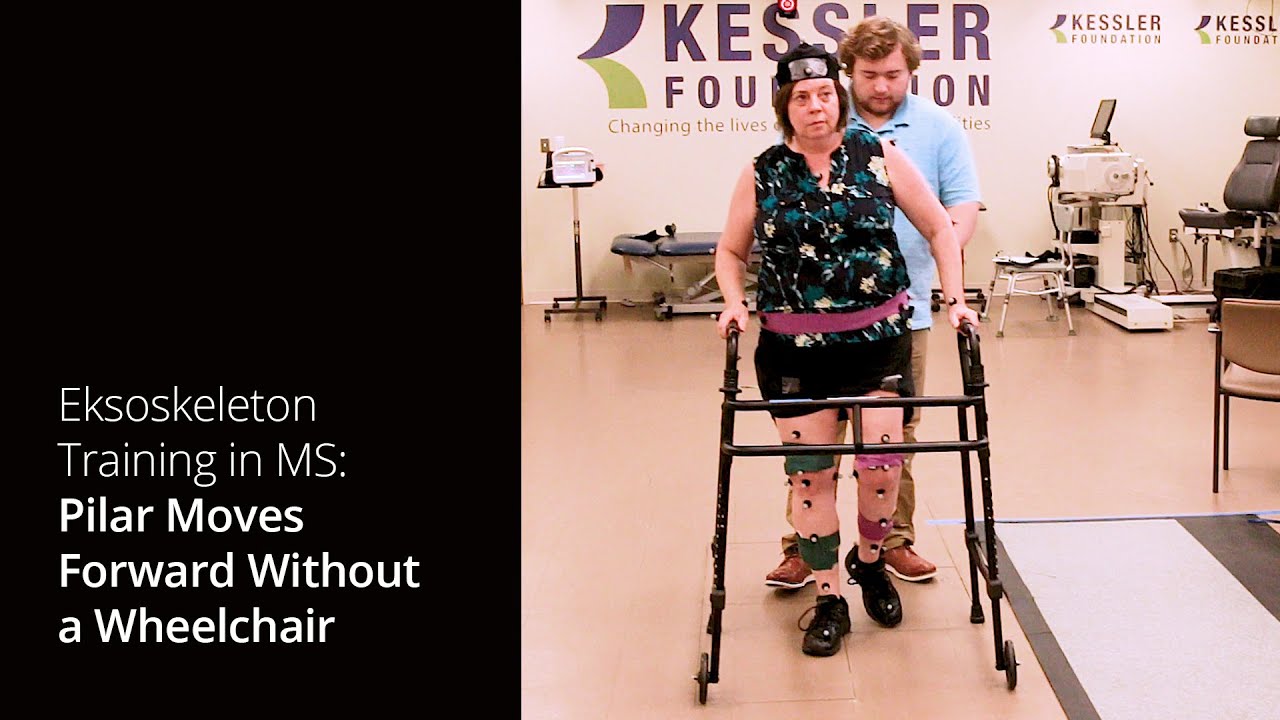


Mobility and Rehabilitation Engineering Team