
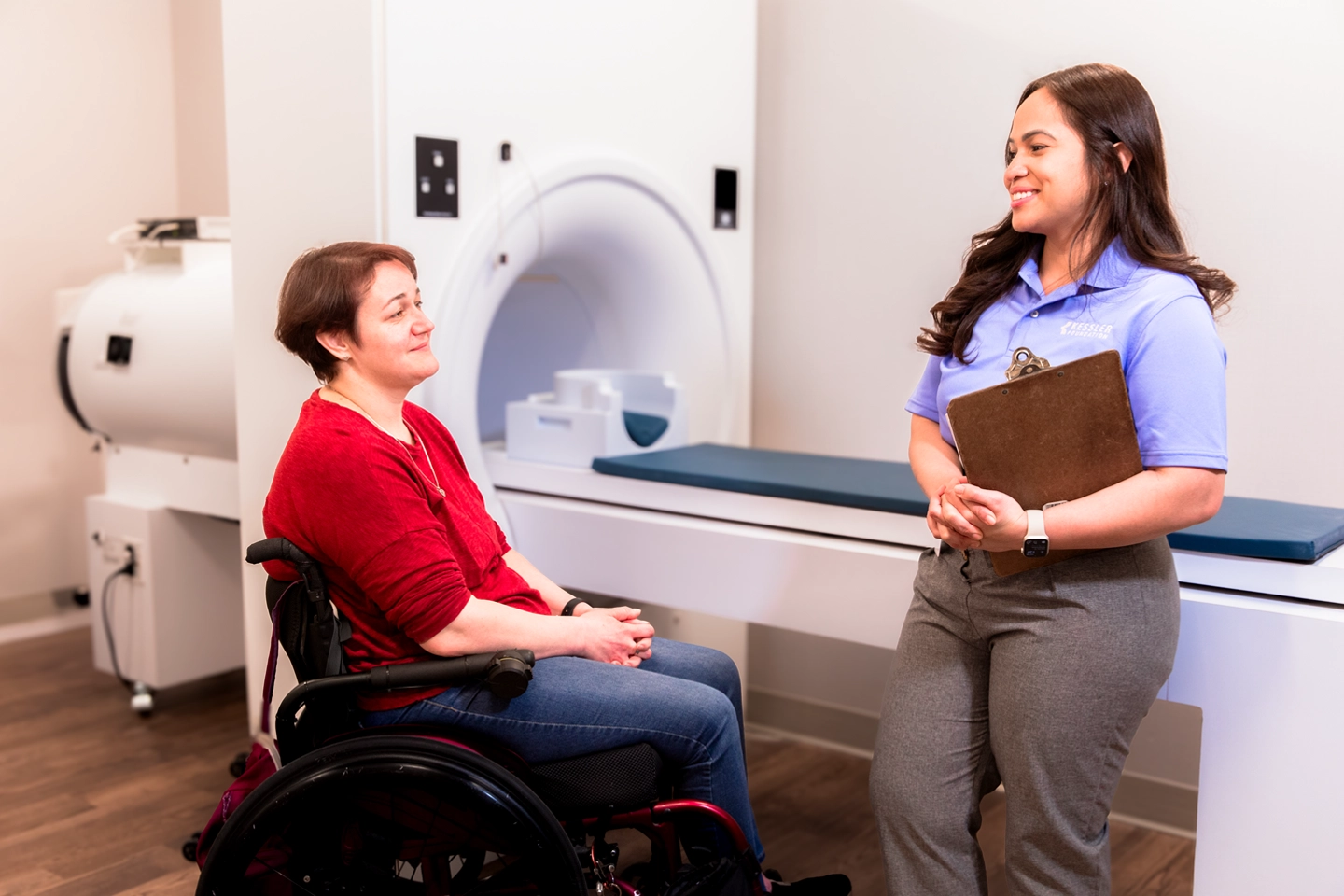
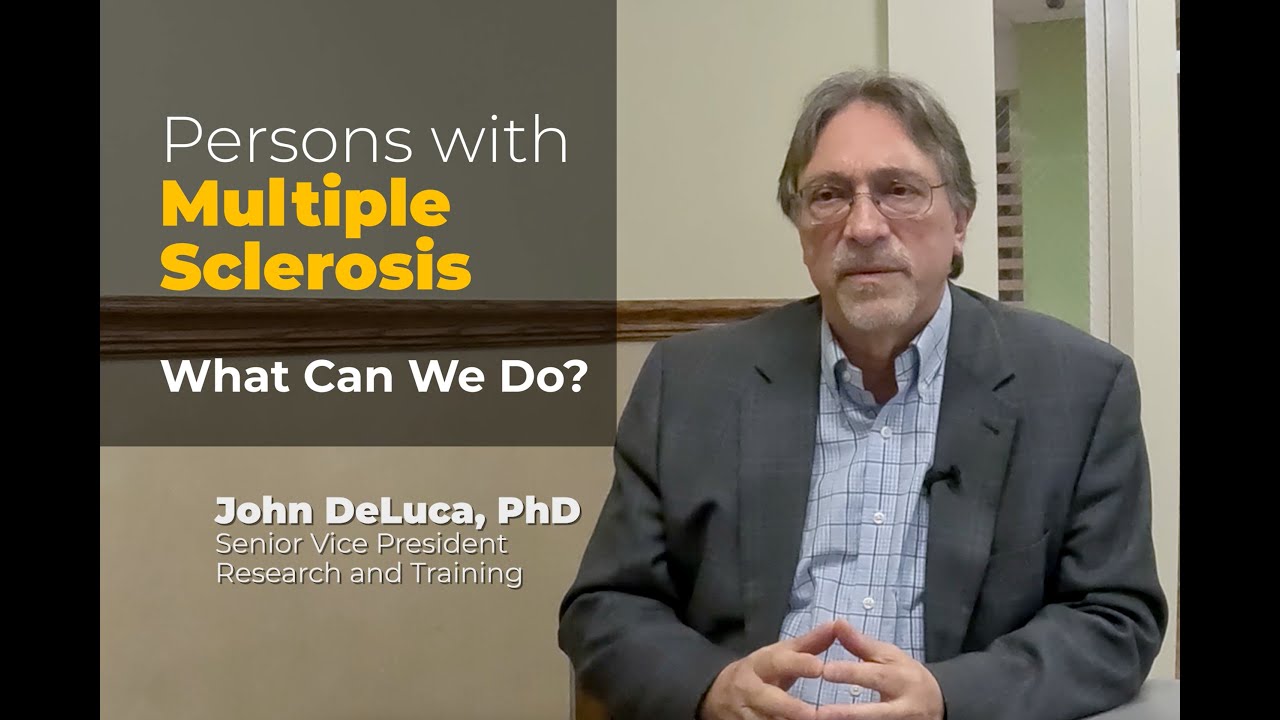
Our researchers use advanced methods, including neuroimaging, exercise science, robotics, and behavioral science, to study how MS affects people over time. This work explains how MS-related changes impact daily life and helps shape rehabilitation at different stages of the disease.
Interventions to Enhance Everyday Function
Memory and Learning Rehabilitation Combined with Exercise Training in Multiple Sclerosis
This study compares the effect of a combined cognitive rehabilitation and exercise approach on new learning and memory in people with multiple sclerosis and mobility disability.
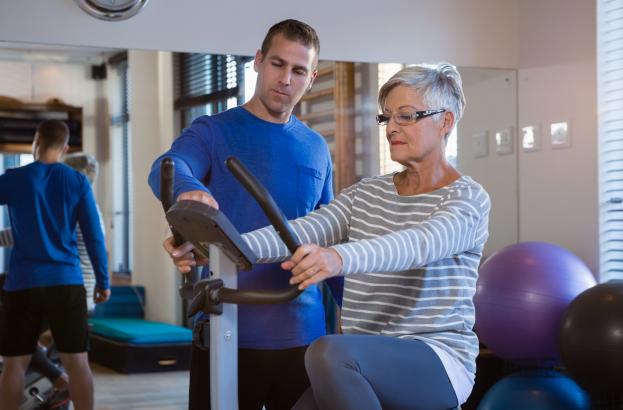
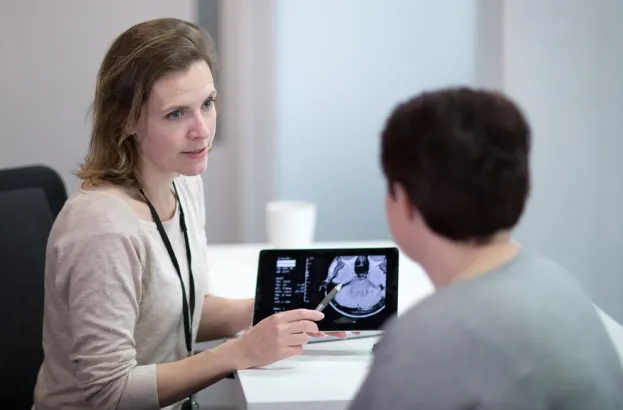
New learning, memory, and processing-speed deficits, common in MS, negatively impact everyday life. Two established cognitive rehabilitation protocols developed by Nancy Chiaravalloti, PhD, and supported by Class I research evidence, target specific cognitive functions and enhance the ability for individuals with MS to learn and remember. The two protocols are: Kessler Foundation Strategy-based Training to Enhance Memory (KF-STEM) and Kessler Foundation modified Story Memory Technique (KF-mSMT®)
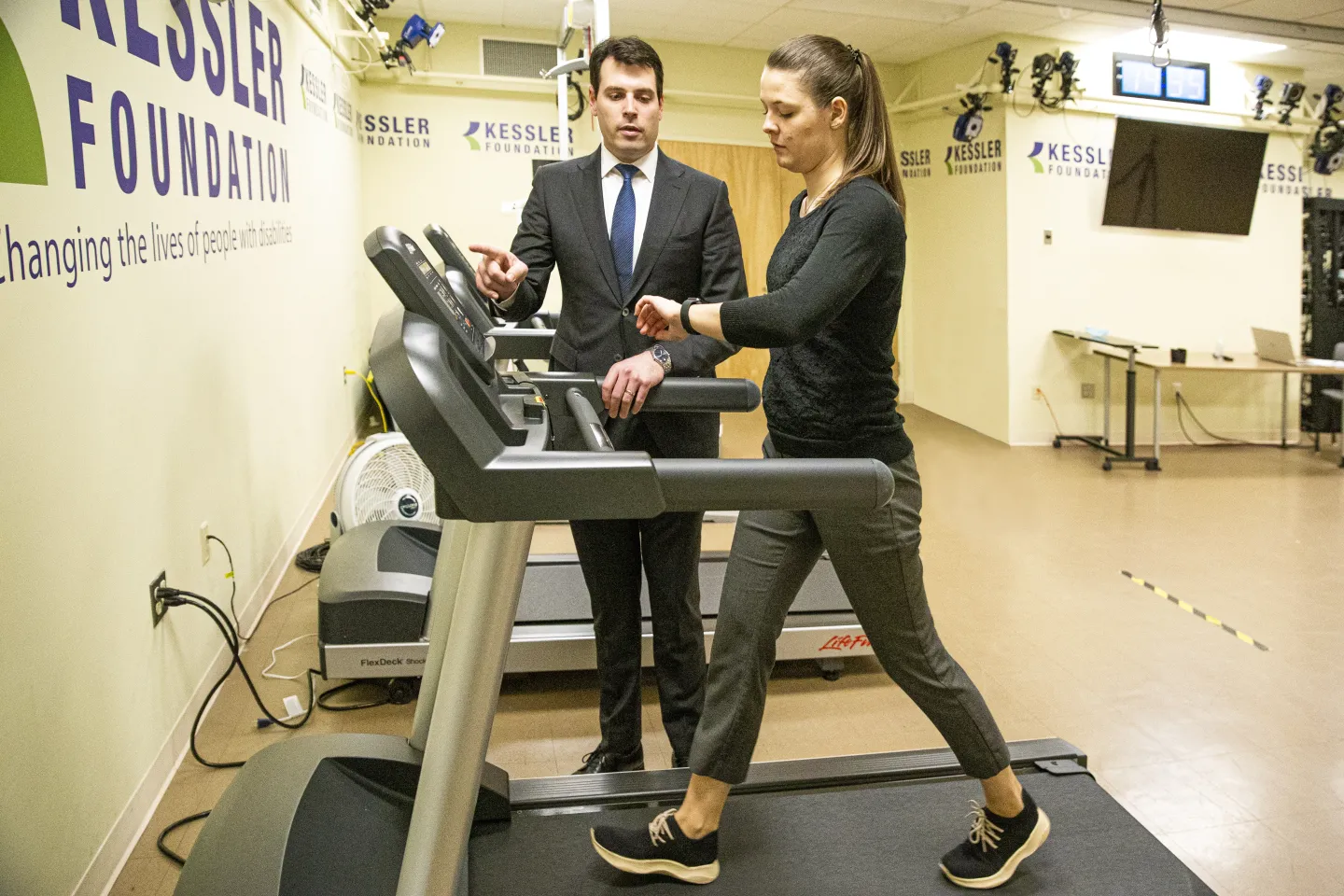
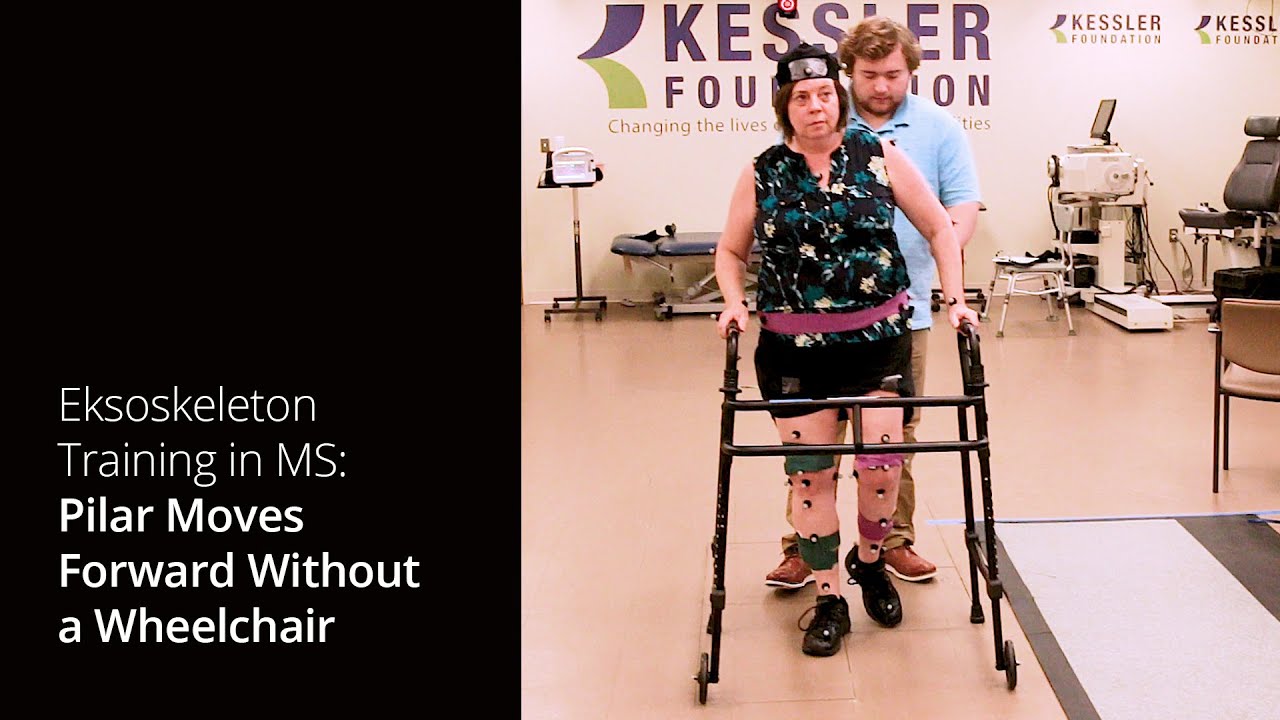
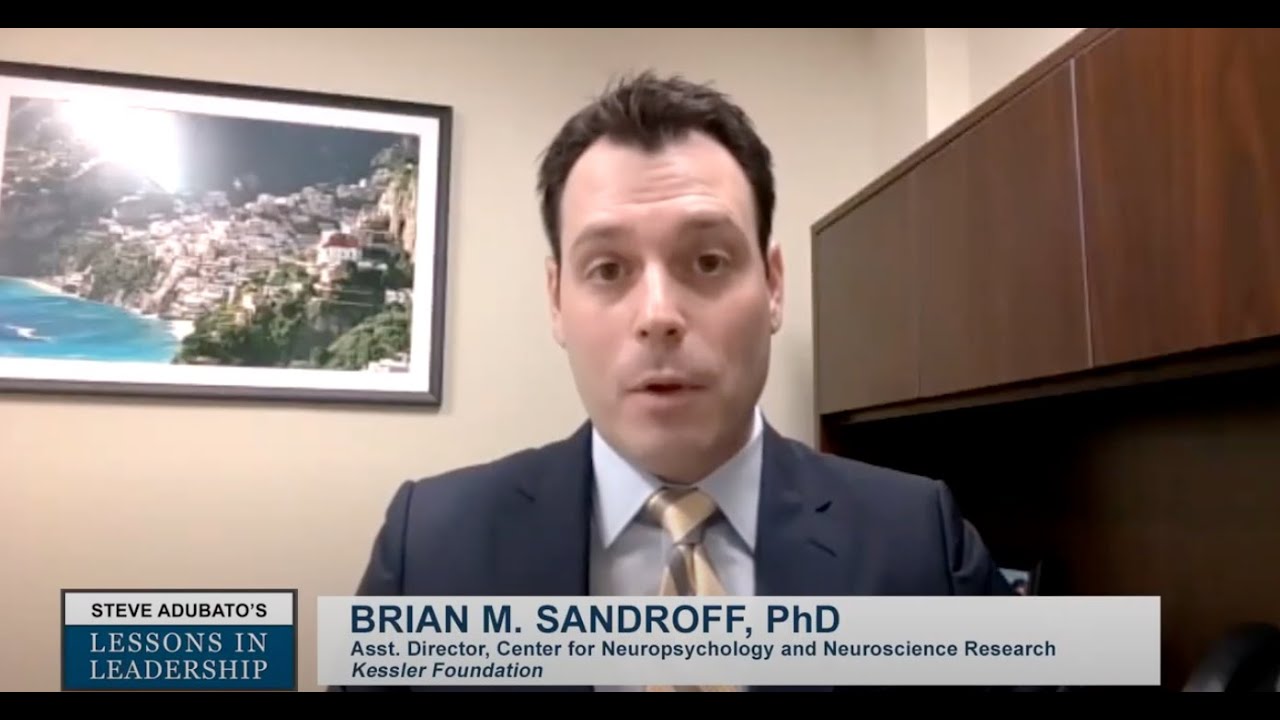
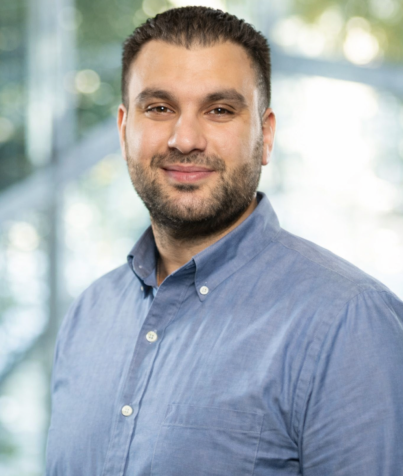
Foundation researcher Brian M. Sandroff, PhD, has accumulated strong evidence to support the use of physical exercise training, such as treadmill walking, cycling, and outdoor walking, to effectively restore functions that have been lost due to MS. Studies involve focusing on individual and synergistic effects of cognitive rehabilitation and exercise in individuals with relapsing-remitting and progressive MS.

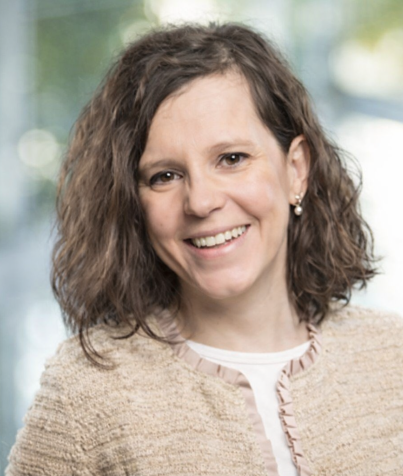
Disease- and person-specific secondary factors from MS, such as depression, sleep disturbance, and personality changes, place significant demands on individuals’ ability to manage the illness and live fulfilling lives. Lauren Strober, PhD, researches psychosocial interventions targeting MS symptoms and occupational outcomes aimed at advancing self-efficacy, coping, and well-being through behavioral therapy and positive psychology technique
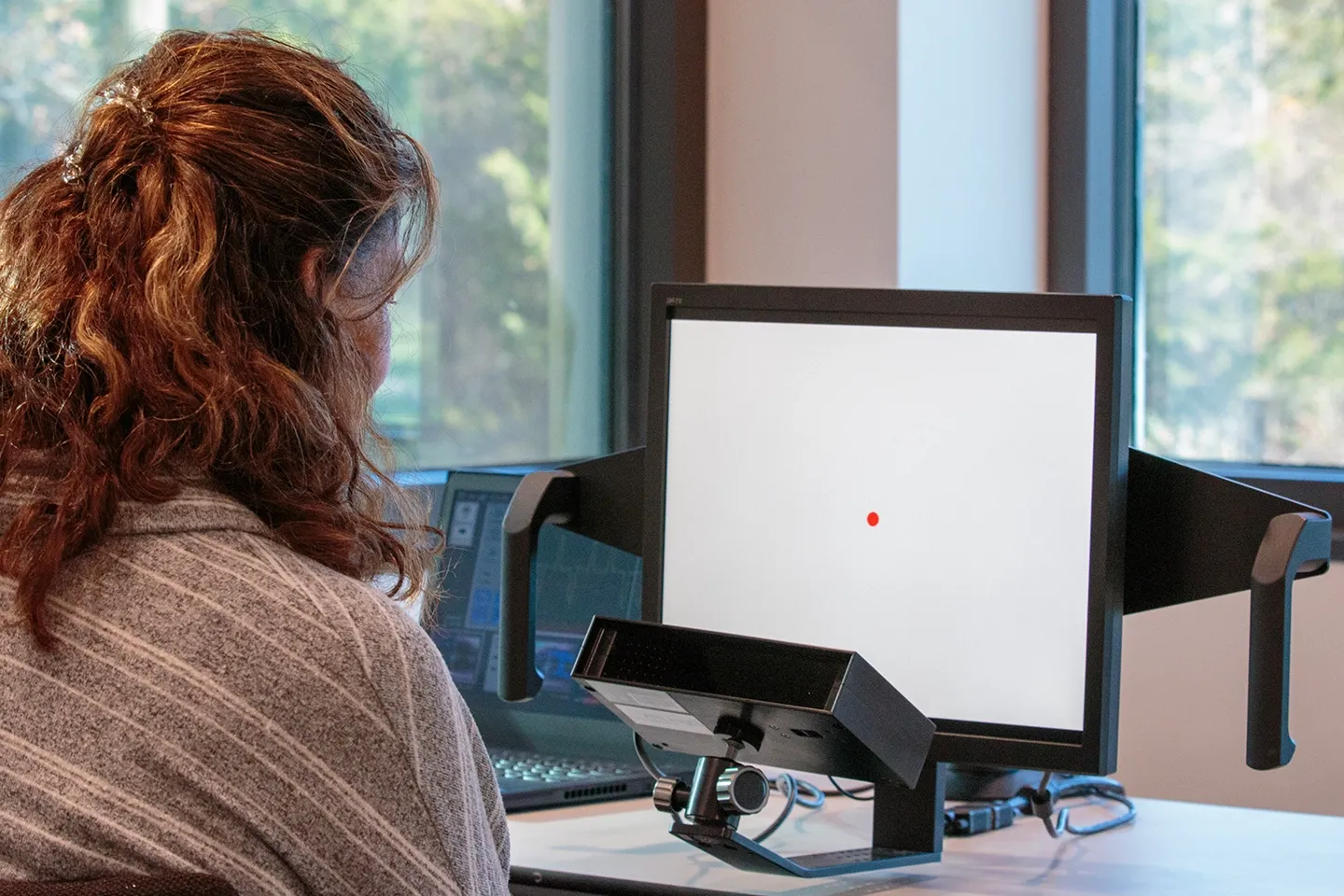
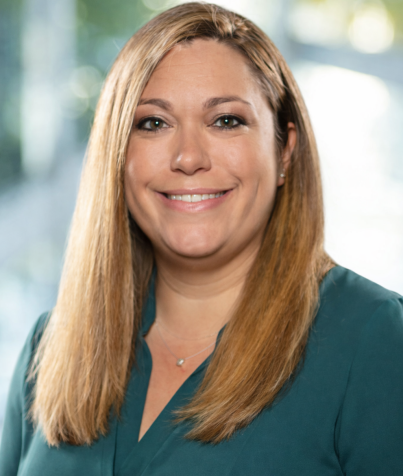
Although the visual symptoms associated with MS are well-documented, their impact has received limited attention. To address this issue, reacher Silvana Lopes Costa, PhD, is studying the link between eye movements and processing-speed deficits in MS and developing protocols for assessing cognitive function using eye trackers, irrespective of an individual’s motor abilities.
Your Support Drives Change
When you give to Kessler Foundation, you make a difference in the quality of life for people with multiple sclerosis.

Therese Bertrand, Finding My Way Forward With Multiple Sclerosis
A phone call changed Therese Bertrand's life. It brought a diagnosis she had never expected...
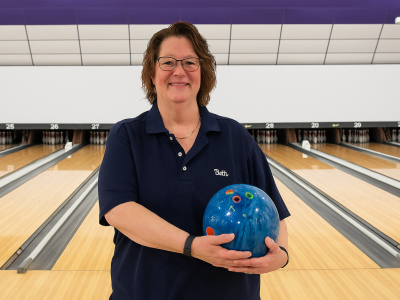
Beth Holcomb Is Back on the Ball with MS
Beth Holcomb has lived with multiple sclerosis for nearly twenty years. “Symptoms come and go, but fatigue remains,” explains Beth...

Carla Basante Adapts and Gives Back After MS
Carla Basante lives with multiple sclerosis and has been a longtime participant in Kessler Foundation research...
Our Multiple Sclerosis Scientists in Action









FAQs About Multiple Sclerosis Research
Cognitive rehabilitation is a type of therapy that helps people with multiple sclerosis improve memory, attention, information processing, and other thinking skills that affect everyday life. Kessler Foundation researchers develop and test evidence-based cognitive rehabilitation programs that help people manage cognitive challenges and maintain independence.
Research shows that cognitive rehabilitation can improve learning, memory, and information processing in many people with MS. Kessler Foundation scientists developed evidence-based memory training programs to help people manage everyday cognitive challenges. Two protocols include: Kessler Foundation Strategy-based Training to Enhance Memory (KF-STEM) and Kessler Foundation modified Story Memory Technique (KF-mSMT®). Learn more on our Multiple Sclerosis page.
Research suggests that regular exercise may improve walking, thinking skills, fatigue, and overall well-being for people with MS. Kessler Foundation studies a variety of approaches, including treadmill walking, cycling, outdoor exercise, and robotic-assisted rehabilitation.
Magnetic resonance imaging allows researchers to better understand how MS affects the brain. Kessler Foundation scientists use advanced MRI techniques to identify brain changes, discover biomarkers, and evaluate how rehabilitation treatments improve brain function. Learn more on our Rocco Ortenzio Neuroimaging Center page.
Fatigue is one of the most common and disabling symptoms of MS. Researchers are studying why it occurs, how it affects daily life, and which rehabilitation strategies can reduce mental and physical fatigue to improve participation in work, family, and community activities.
MS can affect emotional well-being, relationships, work, and daily activities. Kessler Foundation researchers study how social support, coping skills, behavioral therapies, and positive psychology can reduce depression, anxiety, pain, and fatigue while improving quality of life.
Kessler Foundation research focuses on helping people with MS stay independent by improving mobility, cognition, memory, fatigue, emotional health, community participation, and overall quality of life. Learn more on our Multiple Sclerosis Research page.
Visit the Join a Study page to browse current MS studies at Kessler Foundation. Some studies can even be completed remotely. If you find a study that interests you, complete the online inquiry form. A member of the research team will contact you to discuss the study and determine whether you are eligible to participate.
