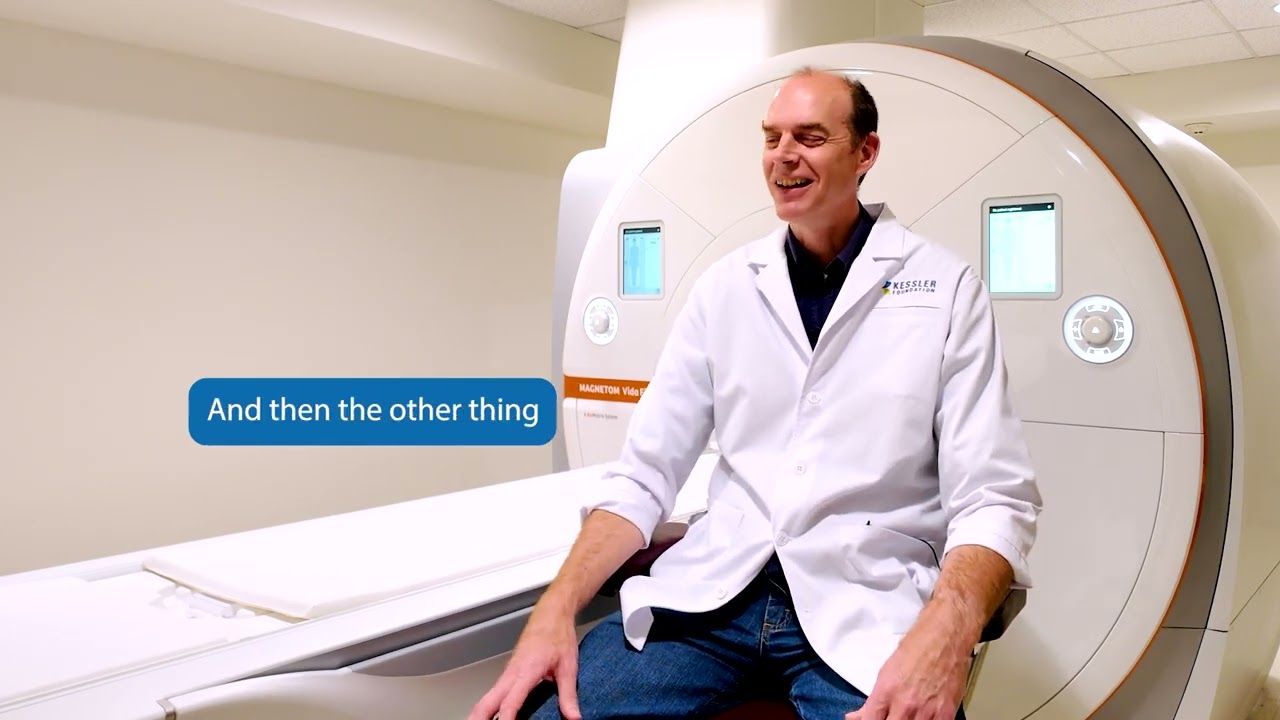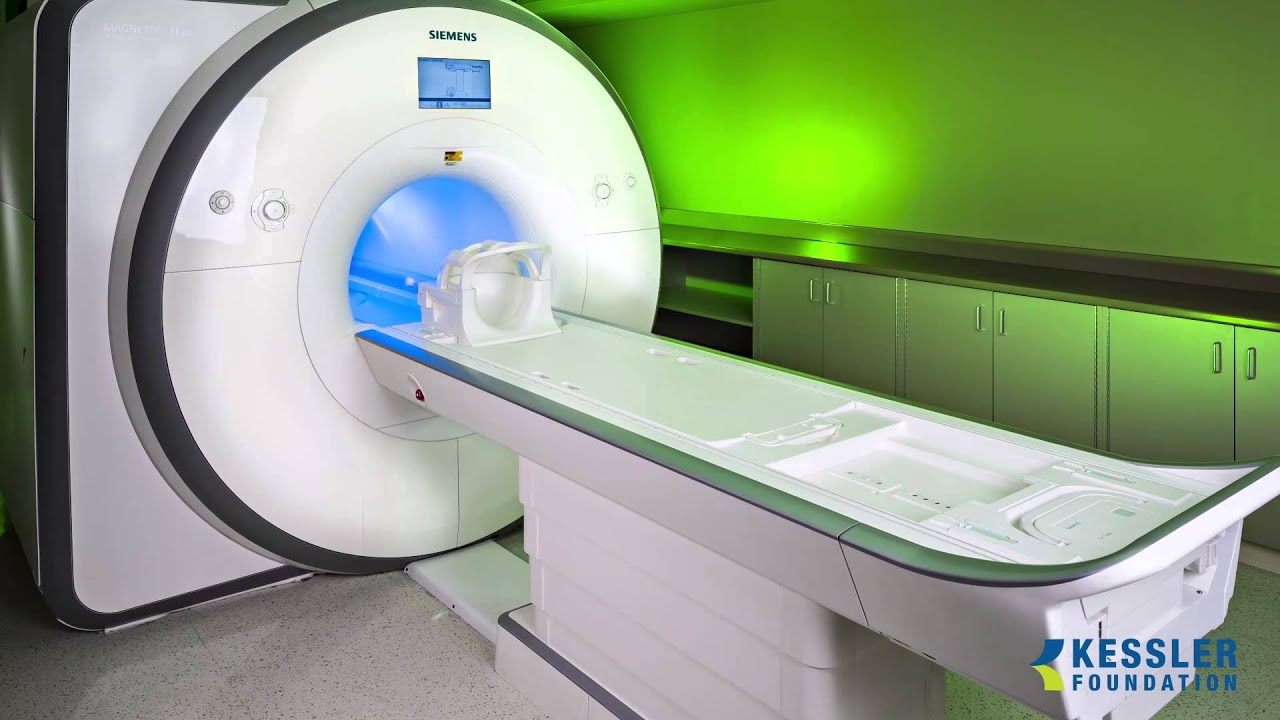
Glenn Wylie, DPhil, is the director of the Rocco Ortenzio Neuroimaging Center at Kessler Foundation. He is also a professor in the Physical Medicine and Rehabilitation Department at Rutgers New Jersey Medical School.
Dr. Wylie received his Doctorate of Philosphy in Experimental Psychology at University of Oxford, Oxford, England, supervised by Drs. Alan Allport and Chris Frith. He received his Bachelor of Science degree at Dalhousie University, supervised by Dr. Raymond Klein. Dr. Wylie has published over 80 articles and book chapters in peer-reviewed publications. He regularly presents his research findings at national and international conferences, and has received grant funding from a number of federal, state and other sources including the National Institutes of Health, VA Commission, New Jersey Commission for Brain Injury Research and Spinal Cord Injury Research, and National MS Society.

Background and Expertise
Expertise
Education
Honors
Publications
View a comprehensive listing of publications for Dr. Wylie on ResearchGate.
Research Interests
Dr. Wylie's research includes cognitive control across both healthy populations, including younger and older adults, and clinical groups such as individuals with multiple sclerosis and traumatic brain injury. His work on cognitive fatigue focuses on identifying its neural correlates in people with MS, TBI, and veterans with Gulf War Illness.
He also examines the neurophysiological effects of cognitive interventions, investigating how activities such as exercise and memory-training programs change brain function. To conduct this work, he uses a range of cognitive neuroscience methods, including functional MRI, event-related potentials, functional near-infrared spectroscopy, positron emission tomography, and detailed behavioral measures.
Multimedia