
Trevor Dyson-Hudson, MD, FASIA, is director of the Center for Spinal Cord Injury Research and co-director of the Derfner-Lieberman Laboratory for Regenerative Rehabilitation Research at Kessler Foundation. He has served as co-director for the Northern New Jersey Spinal Cord Injury System since 2010, part of the federally funded Spinal Cord Injury Model Systems Program. Dr. Dyson-Hudson is also a research professor in the Department of Physical Medicine and Rehabilitation at Rutgers New Jersey Medical School in Newark.
His research focuses on improving health, function, participation, and quality of life for people with spinal cord injury. He also contributes to regenerative rehabilitation research and to educational initiatives that strengthen disability-inclusive care. His perspective combines decades of spinal cord injury research with over 30 years of lived experience.
In 1992, during his third year of medical school, Dr. Dyson-Hudson sustained a spinal cord injury (C6, complete tetraplegia) while playing rugby. After a year of rehabilitation, he returned to the Albert Einstein College of Medicine and graduated in 1995.
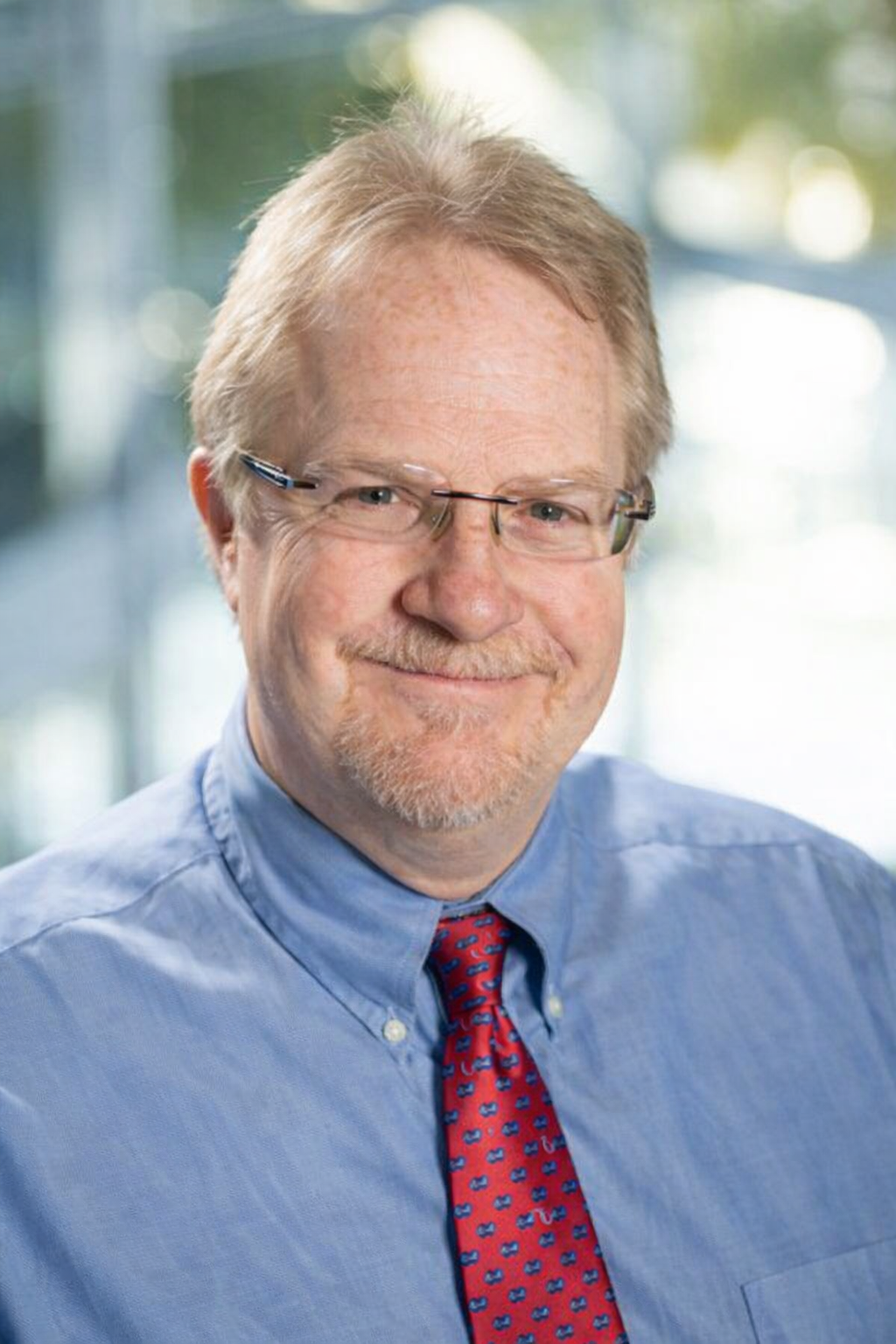
Background and Expertise
Expertise
Education
Honors
Publications
View a comprehensive listing of publications for Dr. Dyson-Hudson on ResearchGate and PubMed.
Research Interests
Dr. Dyson-Hudson's work spans prevention and treatment of secondary health conditions, including pain, upper-limb overuse injuries, spasticity, blood pressure instability, and cardiometabolic risk. He also investigates wheelchair skills, maintenance, seating, and mobility, as well as programs that support return to education, employment, and community life. Current collaborations extend to personal assistance, healthcare navigation, transportation and social determinants of health, cognition, and self-management of chronic pain. In regenerative rehabilitation, he has investigated biologic and other nonoperative approaches for musculoskeletal conditions. His research emphasizes practical interventions, community priorities, and approaches that improve everyday function.
Open Research Studies
