
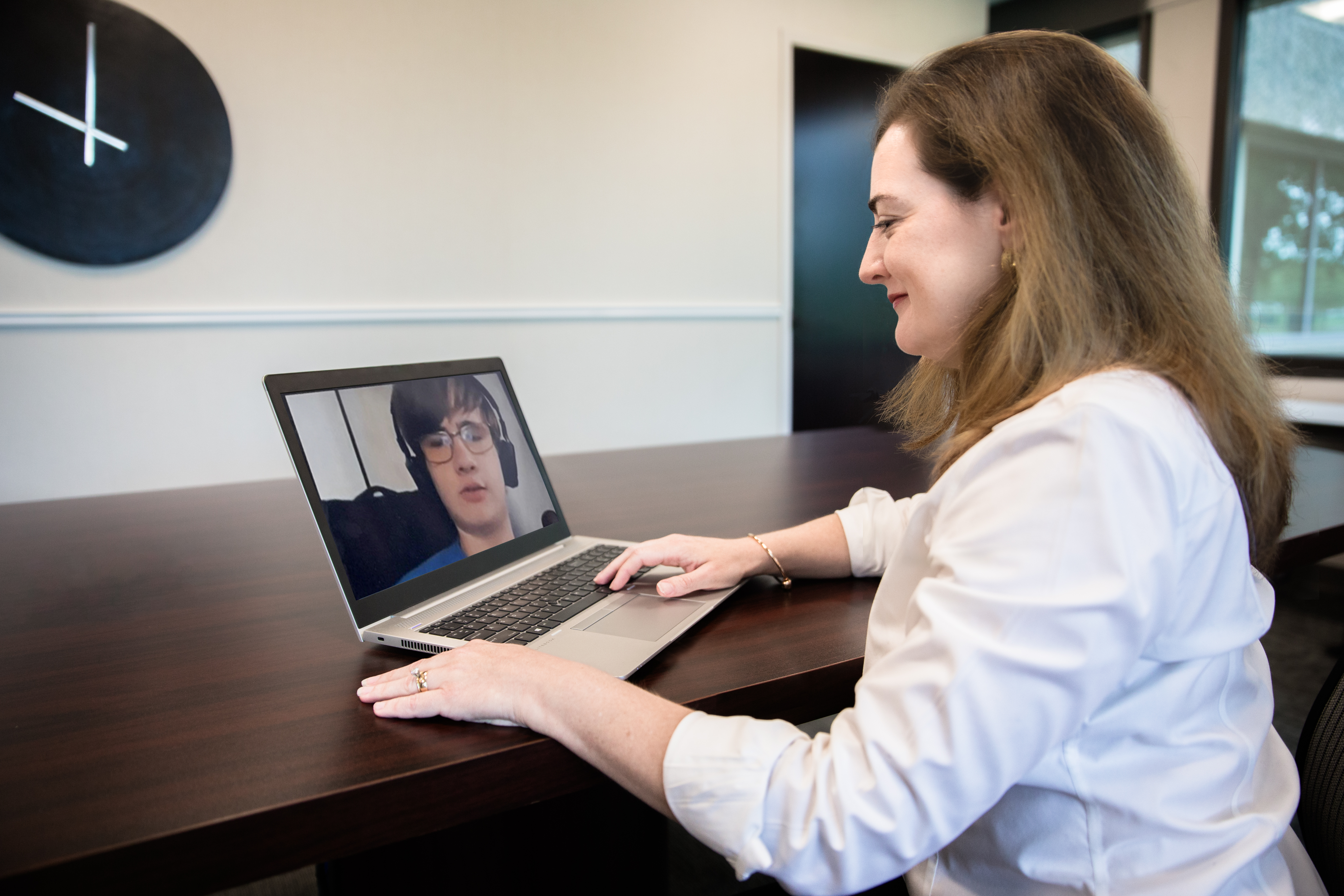
People with autism and other neurodevelopmental conditions may experience the world differently, affecting how they communicate, interact, learn, and participate in daily activities. Kessler Foundation scientists are advancing research that deepens understanding of these experiences and informs interventions that enhance participation, well-being, and quality of life across the lifespan.
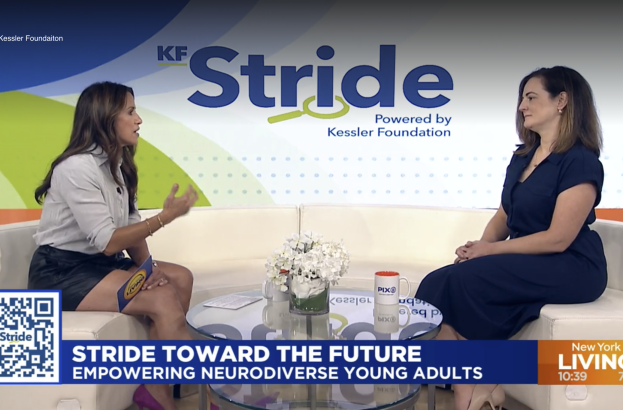
Do you know a young adult with autism or other neurodevelopmental condition who is ready to enter the workforce? Watch the PIX11 New York Living segment featuring Helen Genova, PhD, associate director of the Center for Autism Research at Kessler Foundation. She discussed KF-Stride®, a specialized web-based program she developed that helps young adults strengthen the skills needed to obtain and maintain employment.
Our researchers use advanced technologies to better understand autism and other neurodevelopmental conditions and to develop more effective interventions. The work includes tools that help reduce anxiety in young adults, improve social and communication skills, and use neuroimaging to uncover links between brain function and behavior, paving the way for more personalized supports and treatments.
Historically, research and treatments for people on the autism spectrum and other neurodevelopmental conditions have focused on deficits and controlling behavior. To reverse that negative pattern, our researchers use a strength-based rather than a deficit- or pathology-based approach to evaluate how young adults with and without these conditions identify and express their personal identities.
Job interviews are especially challenging for young people on the autism spectrum and other neurodevelopmental conditions who have difficulties with social interactions. The goal of the novel Kessler Foundation Strength Identification and Expression (KF-Stride®) program helps transition-age youth recognize and communicate their strengths, improving their chances of securing employment.
A magnetic resonance imaging (MRI) simulator at our Center for Autism has helped advance research in pediatric autism spectrum and other neurodevelopmental conditions. While enclosed in the simulator, young participants experience the sights, sounds and conditions of an actual MRI scan. Engaging in this mock scan experience may reduce anxiety, phobias, and sensitivities to sound, as well as excessive head and body movement, enabling scientists to capture optimal images during actual MRI scans.
Job interviews can be especially challenging for young adults with autism and other neurodevelopmental conditions, who may experience differences in social communication or have difficulty identifying and describing their strengths. KF-Stride is a supportive, web-based program designed to build confidence, highlight abilities, and help young people successfully advocate for themselves with employers.
Read Facets, Our Autism Newsletter
Our Autism Scientists in Action

Our Autism Center Team