

Although the majority of people with disabilities are striving to work, many lack the opportunity to contribute their talents in the workplace. Those who are employed often find their earnings aren't sufficient to cover their household and rehabilitation needs. The employment gap for people with disabilities is not a lack of talent; it’s a lack of opportunity.
of people with disabilities in the U.S. live in poverty or paycheck-to-paycheck
Americans with disabilities rely on Social Security Disability Income or Supplemental Security Income
of working aged people with disabilities are employed
of U.S. employers automatically offer modified job duties as an accommodation
New trends are helping create more chances for people with disabilities to find employment. Our research helps explain why, pointing to more remote options, flexible policies, and stronger inclusion. Donor support also helps fund programs that build job skills and confidence. Although people with disabilities often face more barriers to employment, employers are becoming more open to hiring them, and workplace policies are improving.
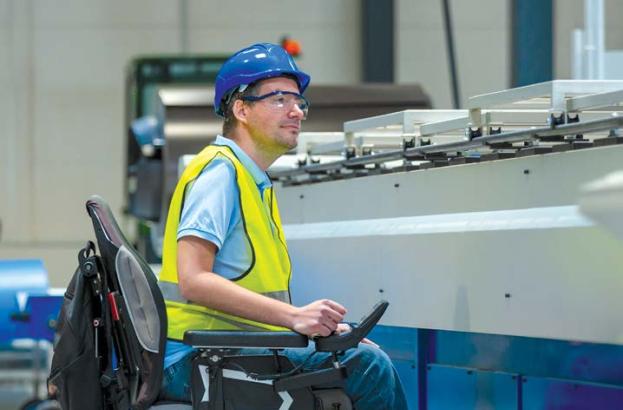
Research Drives Inclusive Workforce Success
Kessler Foundation researchers are studying ways to help people with traumatic brain injury build workplace communication and social skills. The Assistive Soft Skills and Employment Training (ASSET) intervention focuses on everyday interactions including communicating with supervisors, responding to coworkers, and using email and voicemail professionally.

Earn a free certificate to build a more inclusive workforce
A free certificate program, “Employing Abilities at Work,” prepares human resource professionals and others to confidently attract, hire, and retain people with disabilities successfully in the workplace. This training tool can effect change and growth in companies looking to diversify their workforce. Kessler Foundation provided an initial grant to help launch this effort in 2022 by SHRM Foundation, the philanthropic arm of the Society for Human Resource Management.
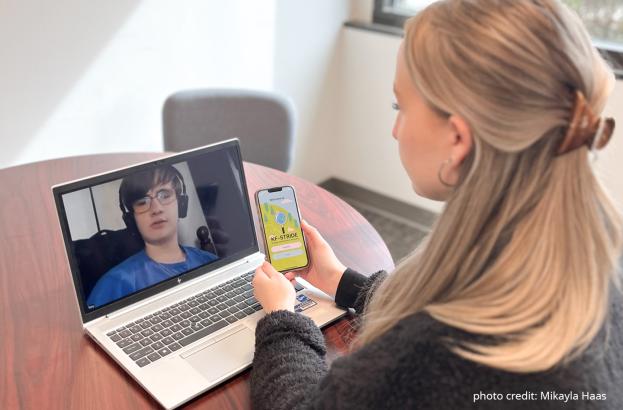
A Strength-Based Intervention to Improve Job Interview Skills in Young Adults with Autism (KF-Stride®)
This fully remote study evaluates how effective a strength-based intervention is in improving job interview skills in young adults with autism who may have difficulty with job interviews or want to improve these skills.
Your Support Drives Change
When you give to Kessler Foundation, you make a difference in employment outcomes for people with disabilities.
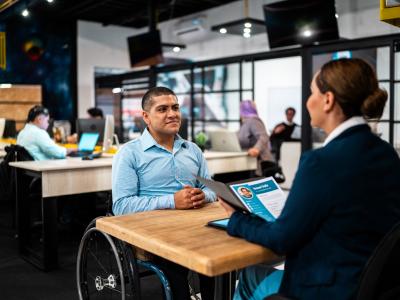
Employment After Spinal Cord Injury
For people living with spinal cord injury, returning to work can be one a meaningful but difficult milestones in recovery...

Interview Skills Boost Holly Coviello's Confidence Despite Autism
For 18-year-old Holly Coviello and her mother, the typical questions about finding employment have loomed large. Holly is autistic.
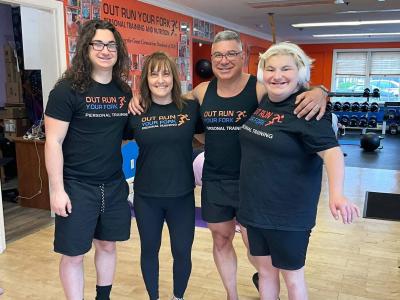
Bianchino Family, Bridging Perspectives in Autism
Inspired by their daughter Kira and her journey on the autism spectrum, Melissa and Tony Bianchino are driving impactful change...
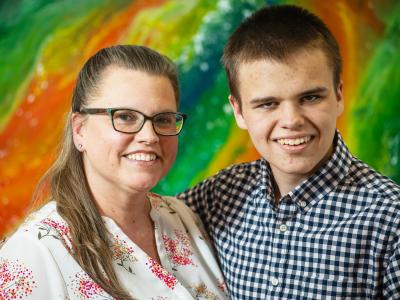
William Lands a Summer Job
Potential employers ask, “Why are you the right person for the job?” Understanding your strengths helps, especially for those on the spectrum...
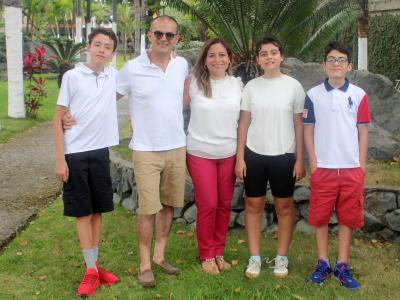
Carla Vicari, Autism Meets Mother's Intuition
Sixteen years ago, when I found out I was pregnant, my husband and I were overjoyed. When we learned we were having twins, our joy more than doubled.
Our Employment Experts in Action
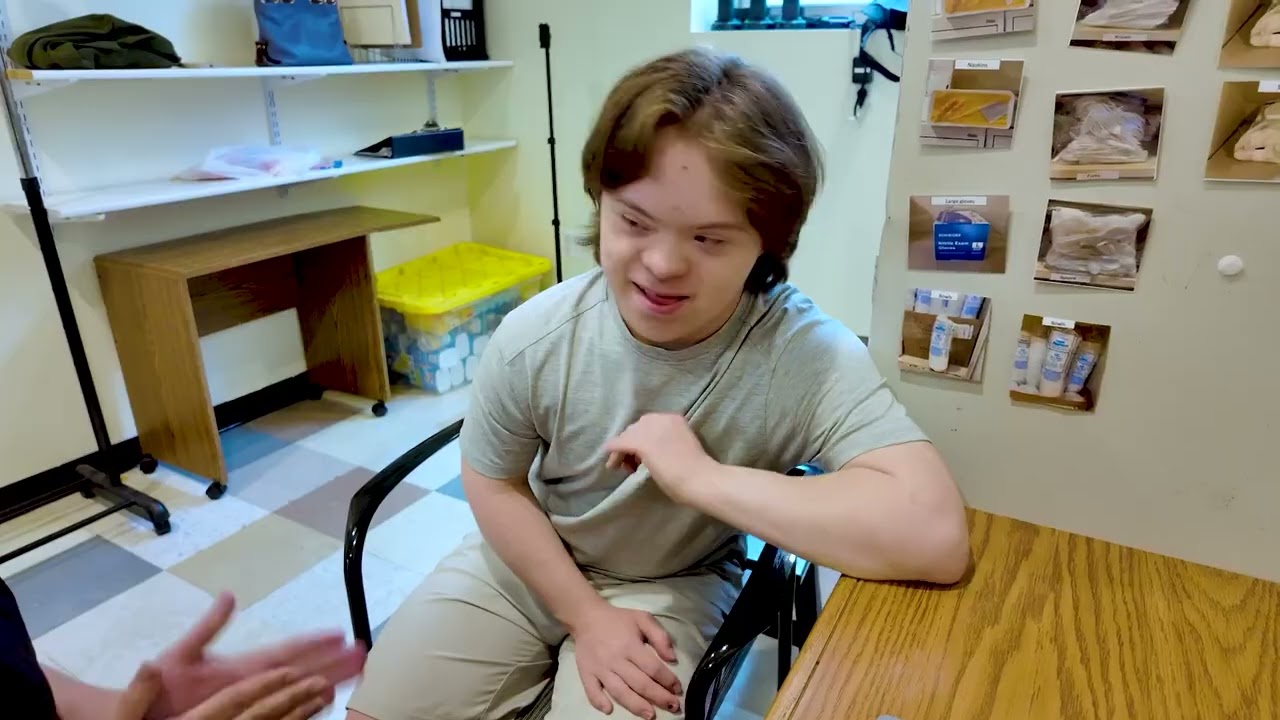
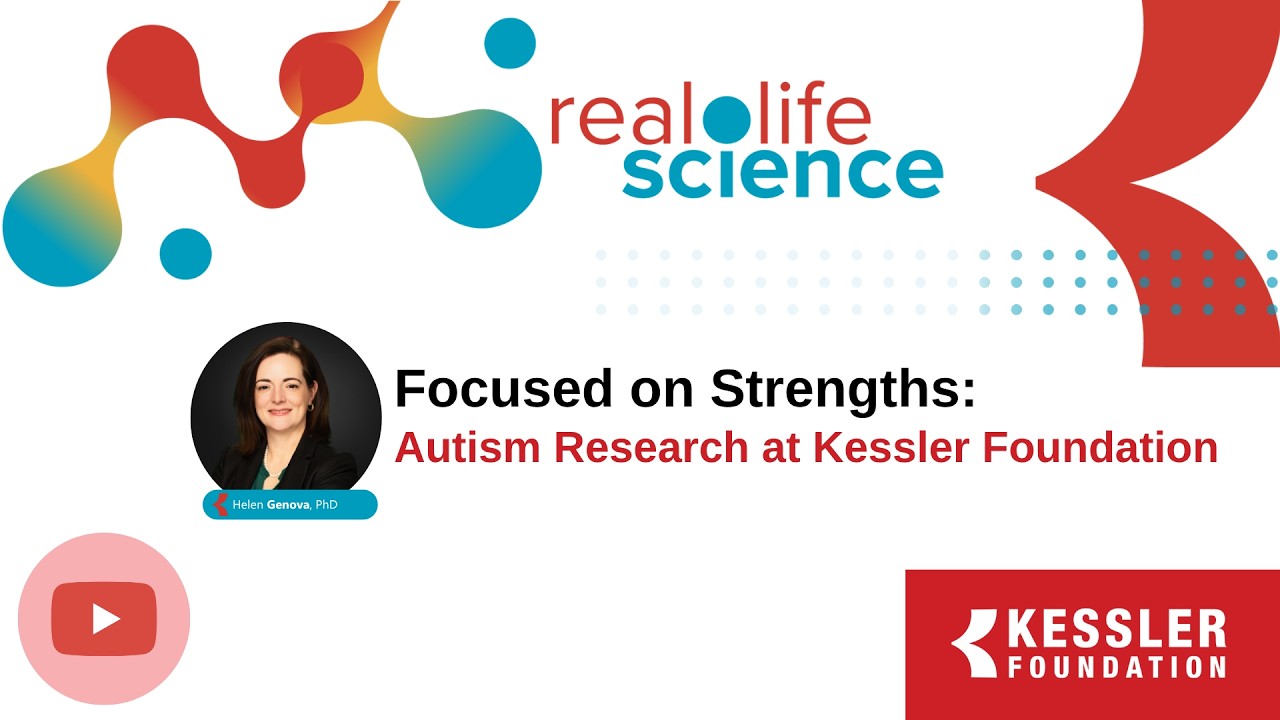

Our Scientists Studying Employment



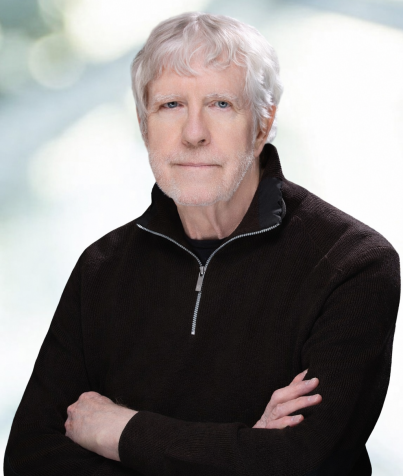
FAQs About Disability Employment
People with disabilities are more likely to find and keep meaningful jobs when they have access to workplace accommodations, job training, career support, accessible transportation, assistive technology, and self-advocacy skills. Kessler Foundation researchers develop and evaluate evidence-based employment programs that help people prepare for work, succeed on the job, and advance in their careers. Learn more at our Center for Employment and Disability Research.
Common employment barriers for people with disabilities include inaccessible workplaces, limited transportation options, gaps in workplace accommodations, hiring bias, limited access to job training, and fewer opportunities for career advancement. Kessler Foundation researchers study these barriers and identify practical solutions that improve disability employment outcomes. Learn more about our Employment Research.
Employment provides more than a paycheck. Meaningful work supports financial security, independence, confidence, health, and community participation for people with disabilities. Kessler Foundation research develops evidence-based solutions that help people with disabilities achieve successful careers and helps employers build stronger, more inclusive workplaces. Learn more at About Our Research.
Kessler Foundation conducts rehabilitation research that improves employment opportunities for people with disabilities. Our scientists study workplace accommodations, vocational rehabilitation, employer practices, return-to-work strategies, and evidence-based employment programs that help people prepare for, obtain, and maintain meaningful employment. Learn more about our Employment Research. Learn more about our Employment Research.
Employers can build a more inclusive workforce by creating accessible workplaces, providing reasonable accommodations, training managers, and offering equal opportunities for hiring, advancement, and career development. Kessler Foundation research helps employers identify effective practices that improve recruitment, retention, and workplace inclusion.
Job readiness programs can help autistic and neurodiverse young adults build self-advocacy, communication, confidence, problem-solving, and workplace skills. Kessler Foundation developed KF-Stride®, a research-backed program used by schools and community organizations to help participants recognize their strengths, prepare for employment, and plan for adulthood.
Research identifies barriers to employment, evaluates workplace supports, measures employment trends, and tests new approaches to hiring and job retention. Kessler Foundation studies employees, job seekers, employers, and vocational programs to develop evidence that improves workplace practices, informs public policy, and expands access to meaningful employment.
According to the July 2026 National Trends in Disability Employment (nTIDE) report, 38 percent of working-age people with disabilities were employed in June 2026, compared with 75 percent of people without disabilities. Published monthly by Kessler Foundation and the University of New Hampshire Institute on Disability, nTIDE tracks national employment trends and provides valuable data for policymakers, employers, researchers, and the public. Read more about nTIDE.
Kessler Foundation regularly recruits volunteers for disability employment research studies involving people with disabilities, autistic and neurodiverse young adults, job seekers, caregivers, and employers. Visit our Join a Study to explore current research opportunities.
