
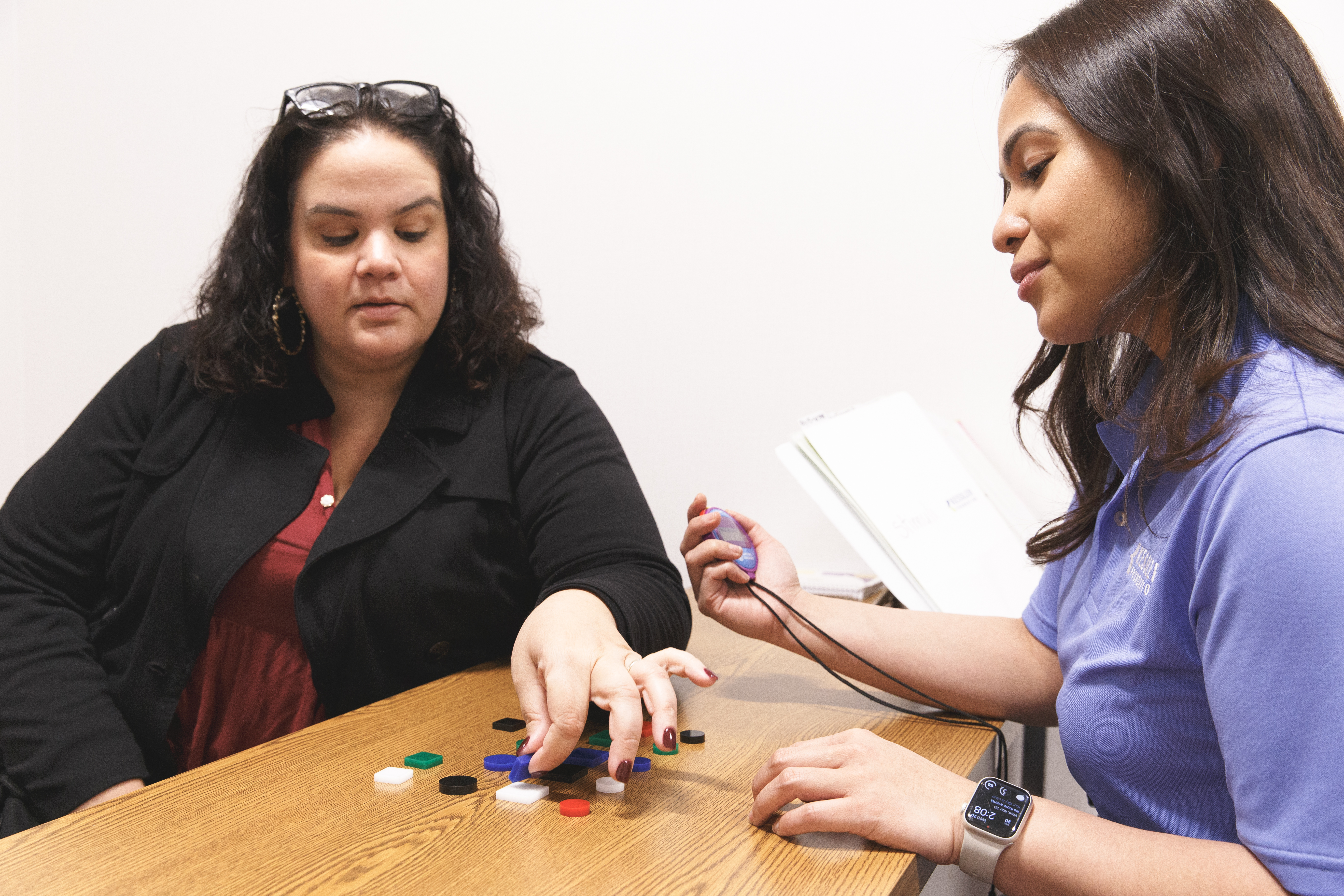
Strengthening Thinking Skills
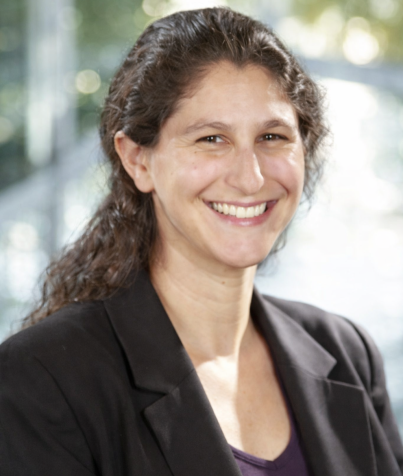
Spatial neglect, a neurological condition often following right-brain stroke, causes people to ignore the left side of their body or surroundings. Researcher Peii Chen, PhD, leads the development of innovative tools to assess and treat spatial neglect.
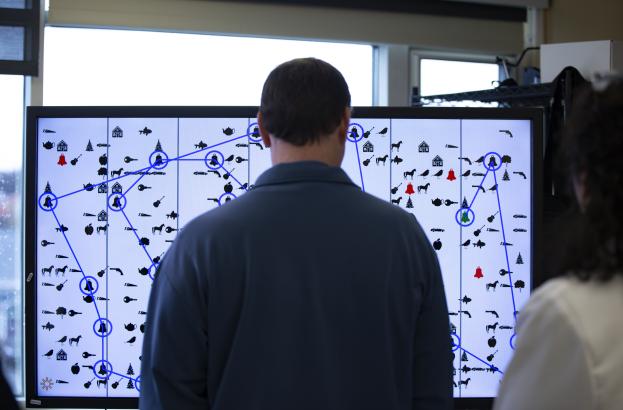
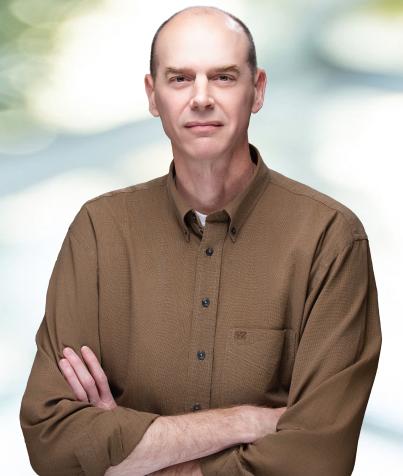
Researchers are using brain imaging to reveal how cognitive fatigue disrupts neural networks in MS, TBI, and stroke. Groundbreaking work led by Glenn Wylie, DPhil, is paving the way for smarter treatments and helping people reclaim energy, focus, and quality of life.
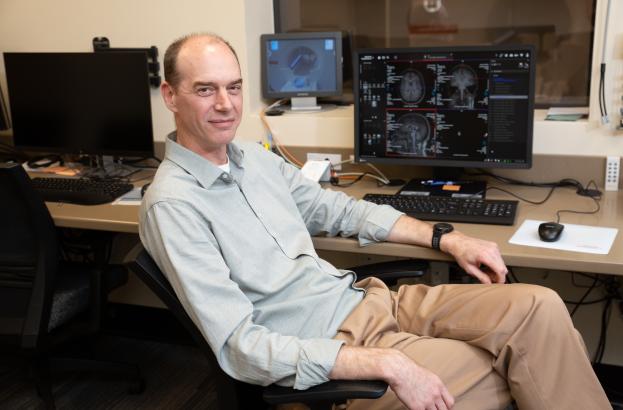
Your Support Drives Change
When you give to Kessler Foundation, you support research to improve how people think, learn, and remember.
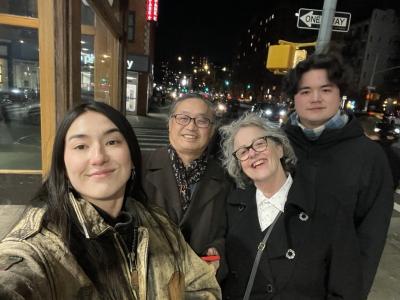
Jessica Huff, Seen for Who I Am
Jessica Huff shares how research participation helped her navigate life after traumatic brain injury, build new strategies, and continue moving forward with hope...
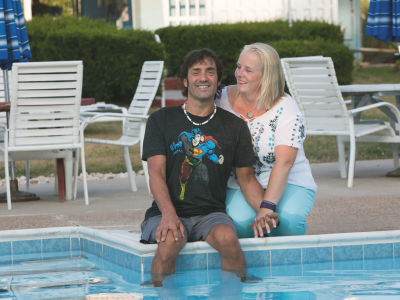
Bill Pastras, Why Research Matters to Me After My Stroke and TBI
In 2017, my life changed in an instant. While driving on the New Jersey Turnpike, I suddenly felt weak and lost control of my car...
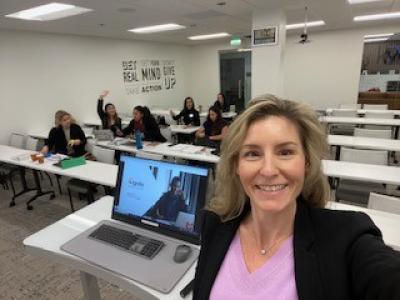
Angela Pennella, It's Never Too Late to Learn After TBI
Angela Pennella was on her way home when a driver crossed into her lane and struck her car head-on. She sustained extensive injuries, including a traumatic brain injury...
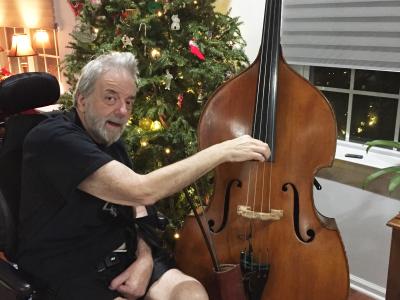
Steve Ascolese Makes Music Again After Stroke
Steve Ascolese sustained a stroke in June 2020. Though not paralyzed, he lost mobility and had spatial neglect...
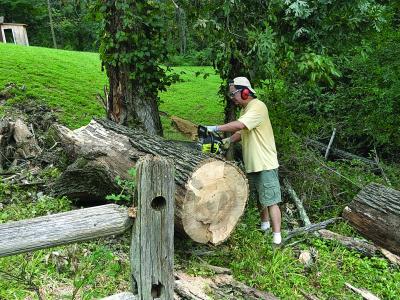
Norman Lim, Tapping Into Napping After TBI
“Participating in research has given me a new purpose in life,” says Norman Lim, who sustained a TBI a decade ago...
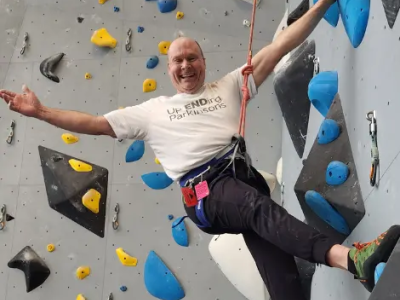
John Rosiak, Time to Climb, Parkinson's
When John Rosiak was diagnosed with Parkinson’s disease in 2023, he didn’t despair, he took action...

Mark Jay, Aging Well
Aging is inevitable. At 60, participating in Kessler Foundation’s modified Story Memory Technique study was a meaningful experience for Mark...
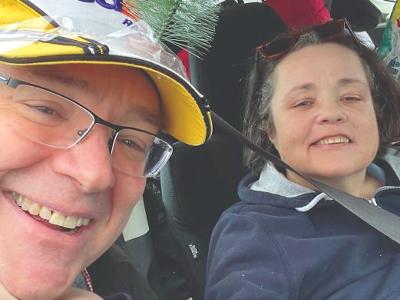
Maria Martin, Virtual Game, Real Gains After Stroke
Seven years ago, teacher Maria Martin had a devastating stroke...

Developing a Game and Lessons to Teach TBI Memory Strategies
Group discussions will be held to collect feedback on a newly developed game and curriculum related to using memory strategies in daily life.
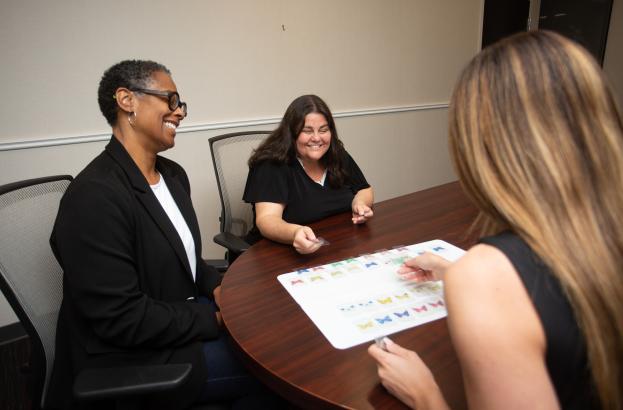
Our Cognition Scientists in Action
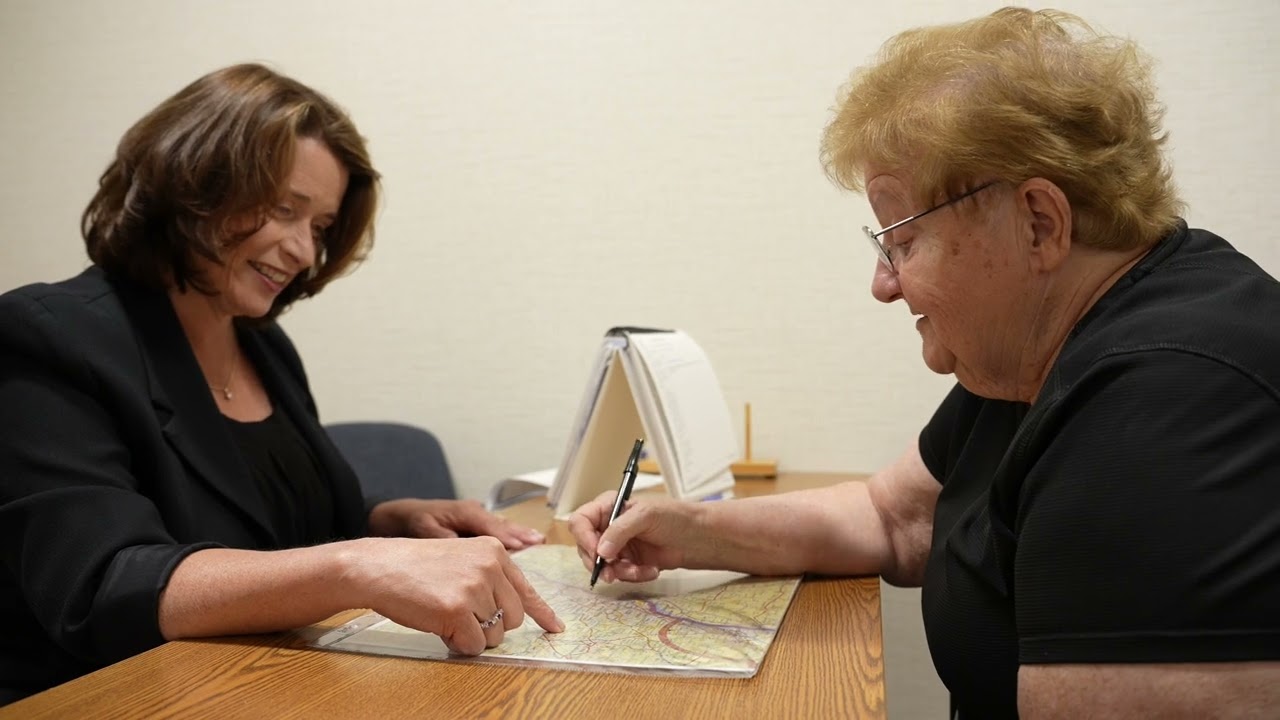
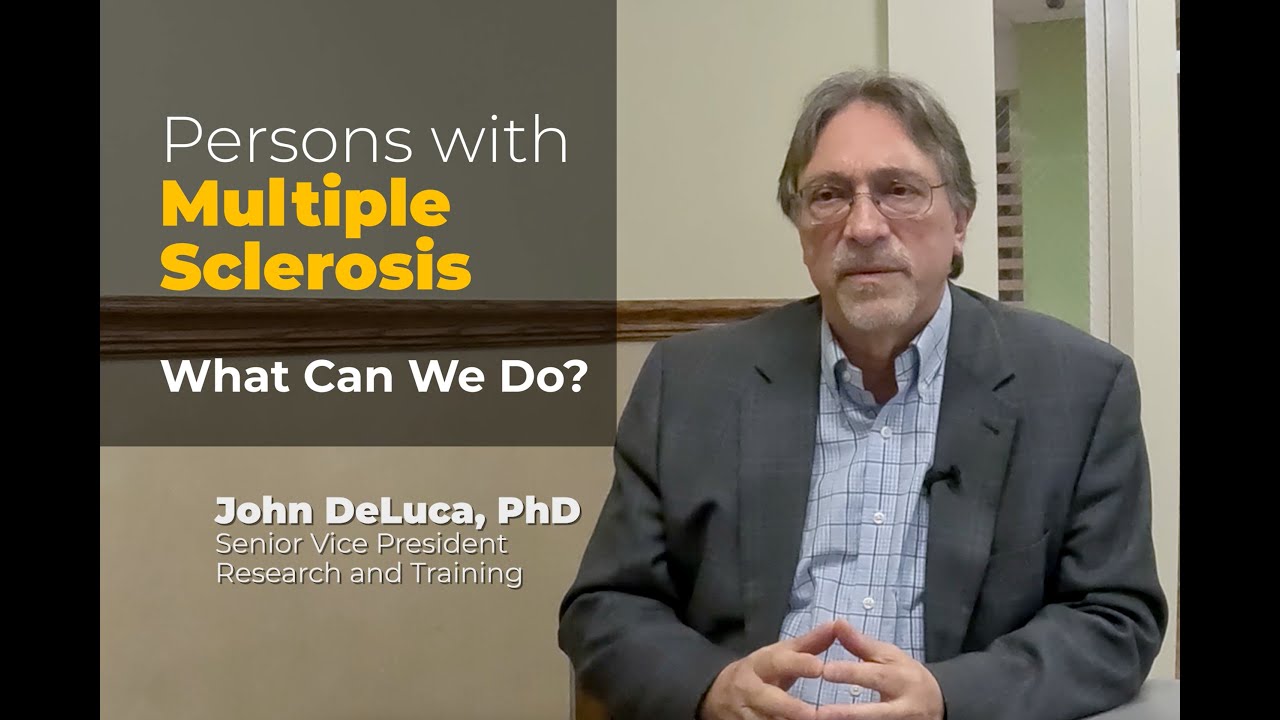
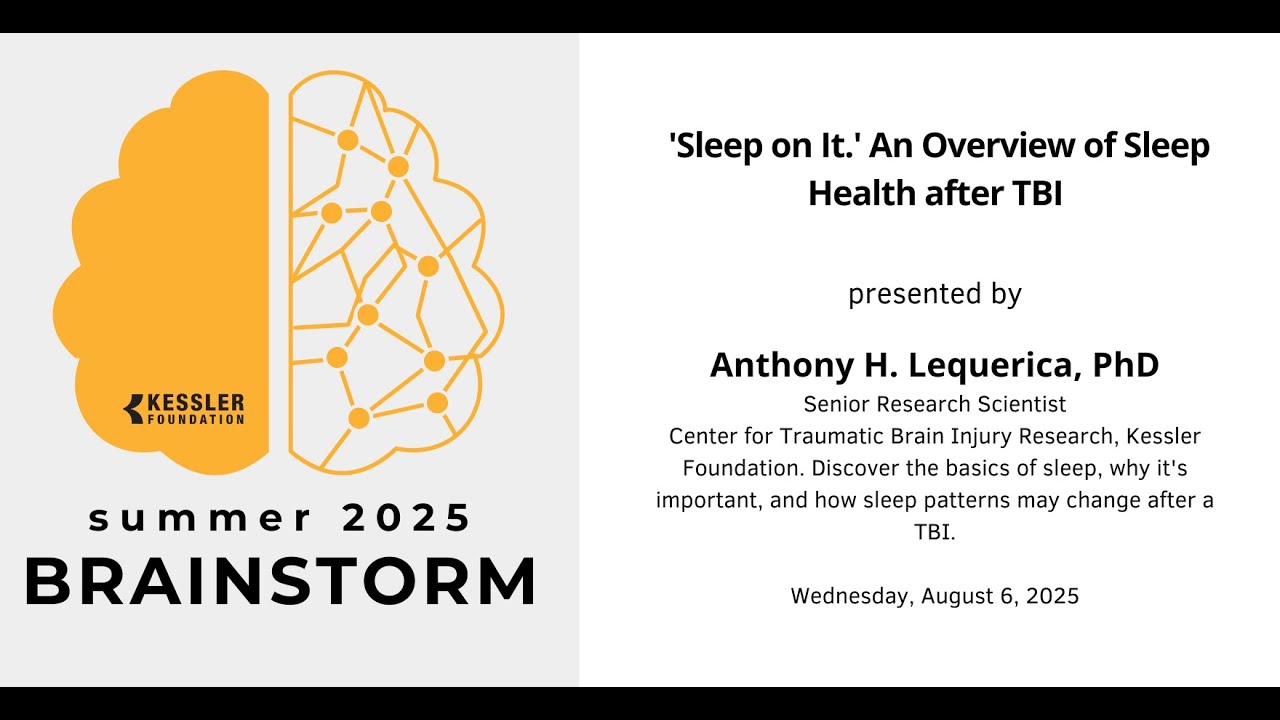
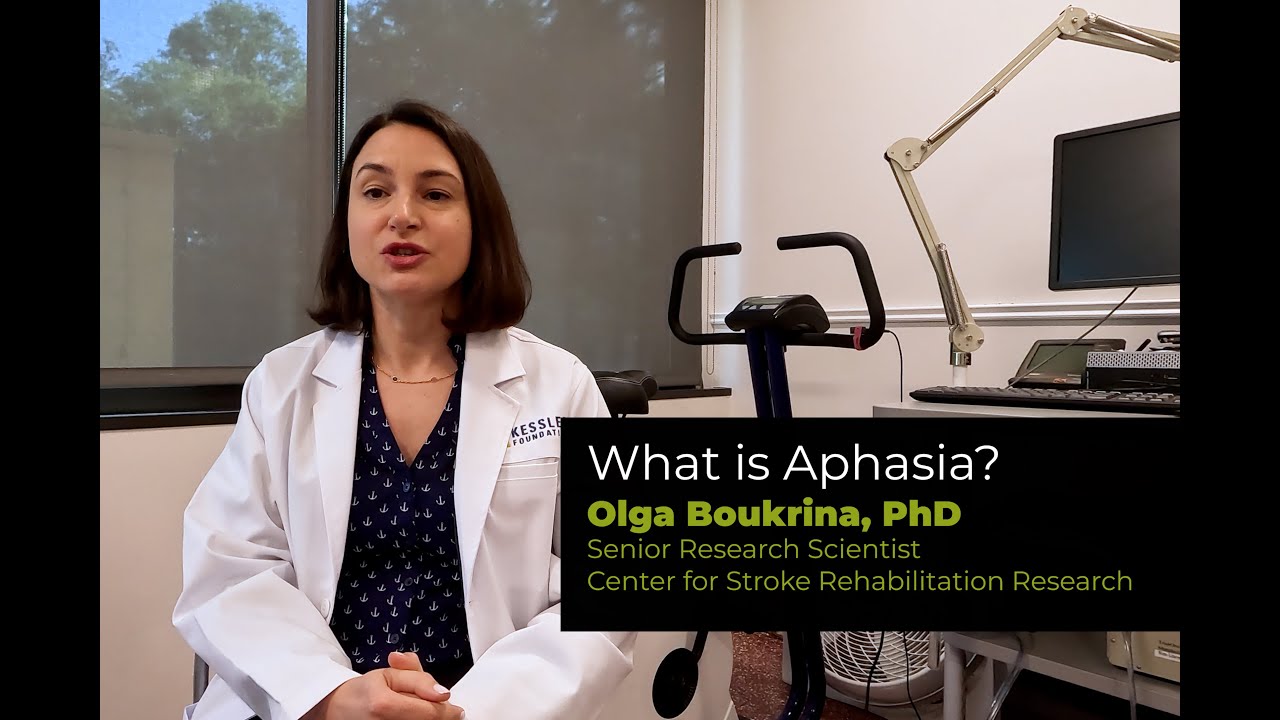
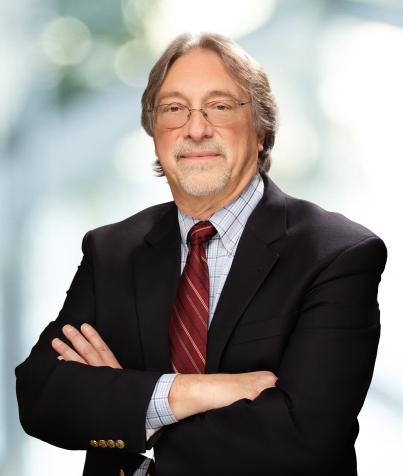
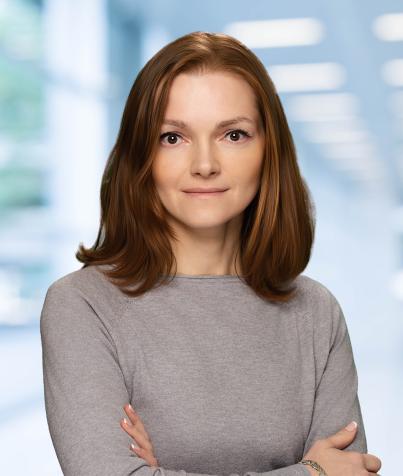
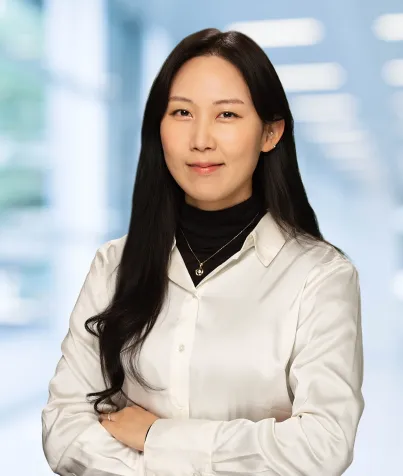
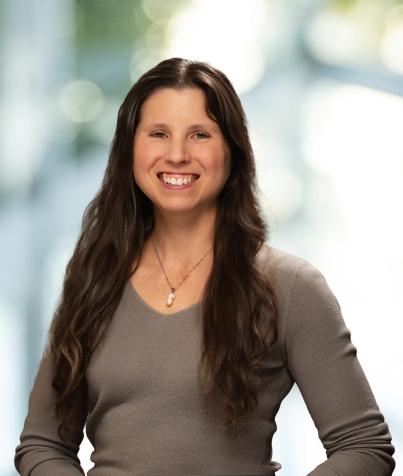
Our Scientists Studying Cognition

FAQs for Cognition Research and Rehabilitation
Memory and thinking problems can result from conditions such as multiple sclerosis, traumatic brain injury, stroke, and mild cognitive impairment and healthy aging. People may notice changes in attention, learning, processing speed, language, or problem-solving. Kessler Foundation researchers study these cognitive changes and develop rehabilitation approaches that help people improve everyday function. Learn more about our Cognition Research.
Memory rehabilitation helps people strengthen learning and recall by teaching practical strategies they can use in everyday life. Kessler Foundation researchers developed Kessler Foundation modified Story Memory Technique (KF-mSMT®), an evidence-based intervention that uses context and imagery to improve memory. Originally developed for people with multiple sclerosis, it is now being studied in older adults with age-related cognitive changes and mild cognitive impairment. Learn more about our Mild Cognitive Impairment and Healthy Aging Research.
Kessler Foundation researchers combine cognitive rehabilitation with advanced technologies such as brain imaging, virtual reality, neurofeedback, wearable sensors, and exercise to develop more effective treatments for memory, attention, language, and other thinking skills. These innovations help researchers better understand how the brain recovers and improve everyday function and independence. Learn more about our Cognition Research and the Rocco Ortenzio Neuroimaging Center.
Research at Kessler Foundation shows that exercise may improve thinking speed, learning, memory, and overall brain health. Scientists are studying how cycling, virtual reality, and cognitive training can work together to improve cognition in people with neurological conditions. Learn more about our Cognition Research.
Kessler Foundation researchers study new ways to improve language, reading, and communication after stroke by combining brain imaging, neurofeedback, and aerobic exercise. The goal is to develop more effective rehabilitation strategies for people with aphasia and other communication challenges. Learn more about our Stroke Rehabilitation Research.
Cognitive fatigue is mental exhaustion that can make it harder to concentrate, remember information, think clearly, or complete everyday tasks. Kessler Foundation scientists use advanced brain imaging to better understand cognitive fatigue and develop treatments that improve focus, energy, and quality of life.
Brain imaging allows researchers to see how the brain changes during learning, rehabilitation, and recovery. Kessler Foundation uses advanced neuroimaging to better understand how rehabilitation improves brain function and to develop more personalized treatments for memory and thinking problems. Learn more about the Rocco Ortenzio Neuroimaging Center.
Kessler Foundation regularly recruits volunteers for studies on memory, learning, language, cognitive fatigue, healthy aging, multiple sclerosis, traumatic brain injury, stroke, and other neurological conditions. Research participants help advance rehabilitation science and may be compensated for their time. Explore our Join a Study page.
Spatial neglect, a common complication of stroke that often goes undetected, affects a person’s awareness of one side of their body or surroundings, impacting recovery. Researcher Peii Chen, PhD, focuses on improving treatments and bringing effective rehabilitation into clinical practice and patients’ homes.
The outlook for individuals with spatial neglect largely hinges on detecting symptoms early. Clinical observation and quick tests are essential because individuals with spatial neglect may not always recognize their deficits, making self-reporting unreliable. Learn more about our Spatial Neglect Research.
