
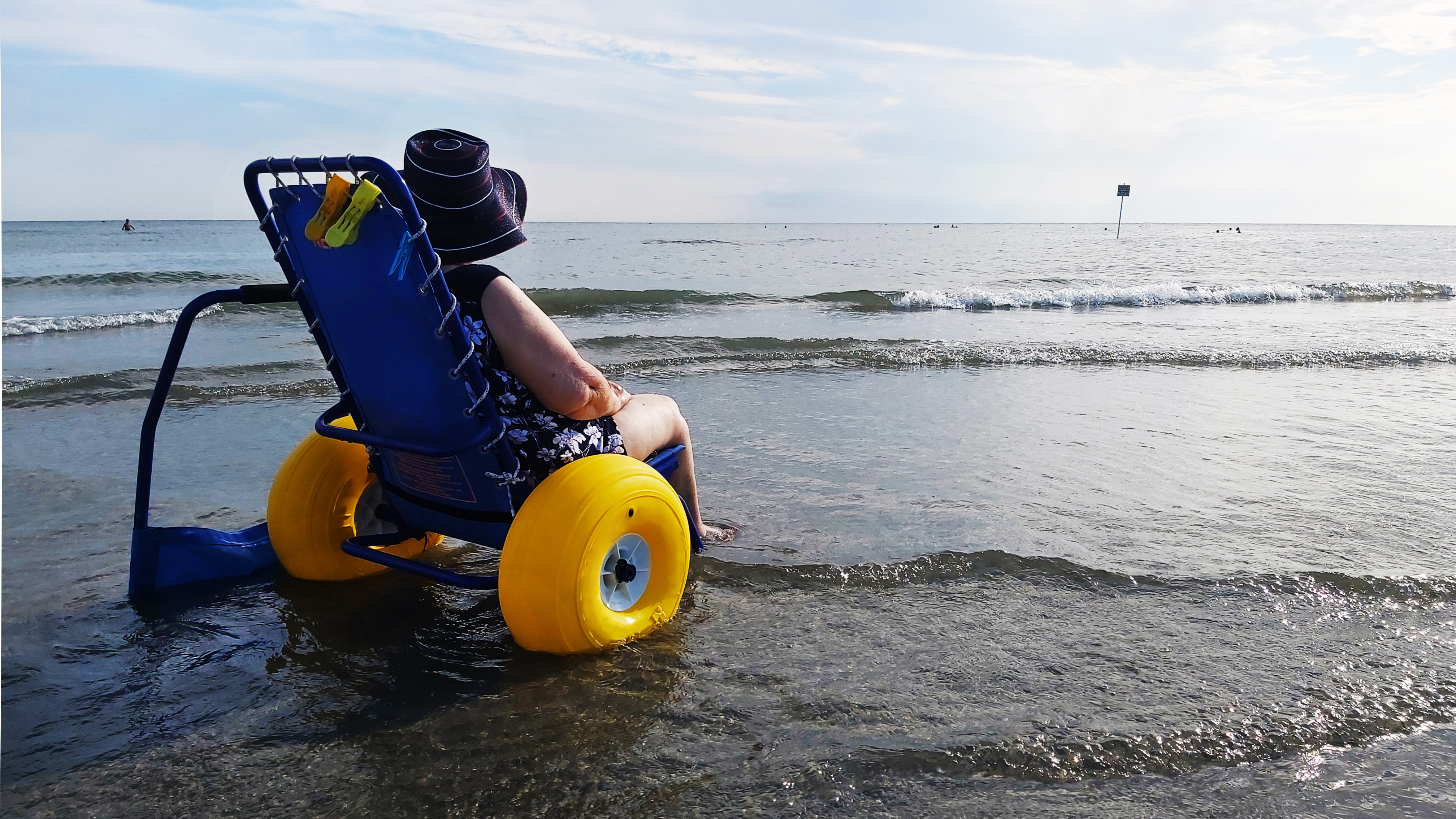
The goal of a multi-site, collaborative project is to build a set of data resources to identify the neighborhood factors and other social determinants of health that shape independent community living after spinal cord injury. This federally funded, five-year project aims to specifically generate actionable information about how communities shape the disability experience.
Center Leadership
Center Leadership


A combination of research designs and data collection methods are necessary to pinpoint barriers and ongoing needs of people with disabilities living in the community. These methods include surveys, administrative databases, GPS, focus groups, and interviews. A recent study combines mobile technology and input from individuals with spinal cord injury to detect real-time community barriers.
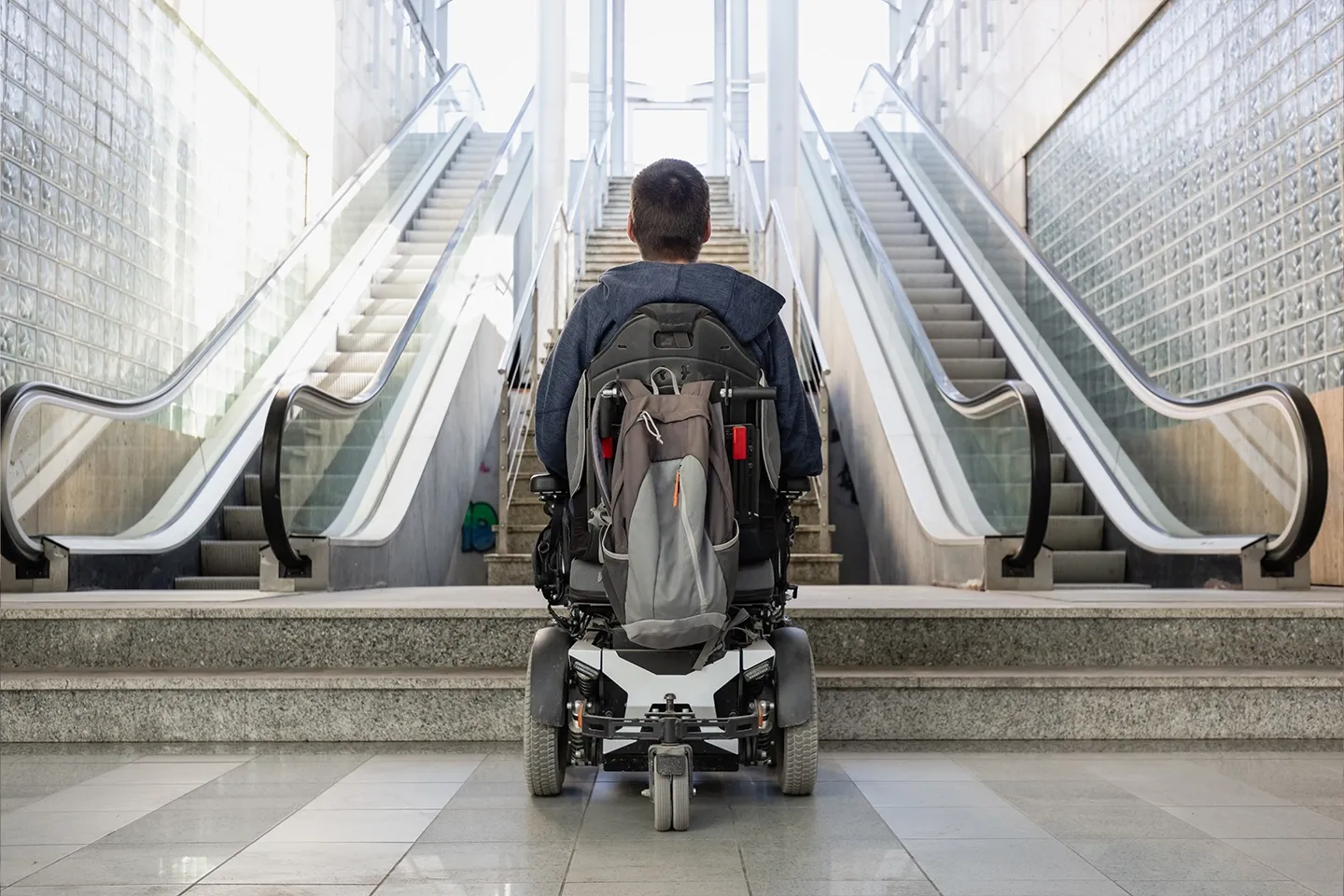
The work of our Center scientists is dedicated to improving community living conditions by identifying the current economic, physical, and social barriers experienced by people with disabilities. Deciphering the complex relationship between someone's environment and their disability experience will guide policy and program initiatives to improve accessibility and inclusivity in public spaces so that people with disabilities can thrive.
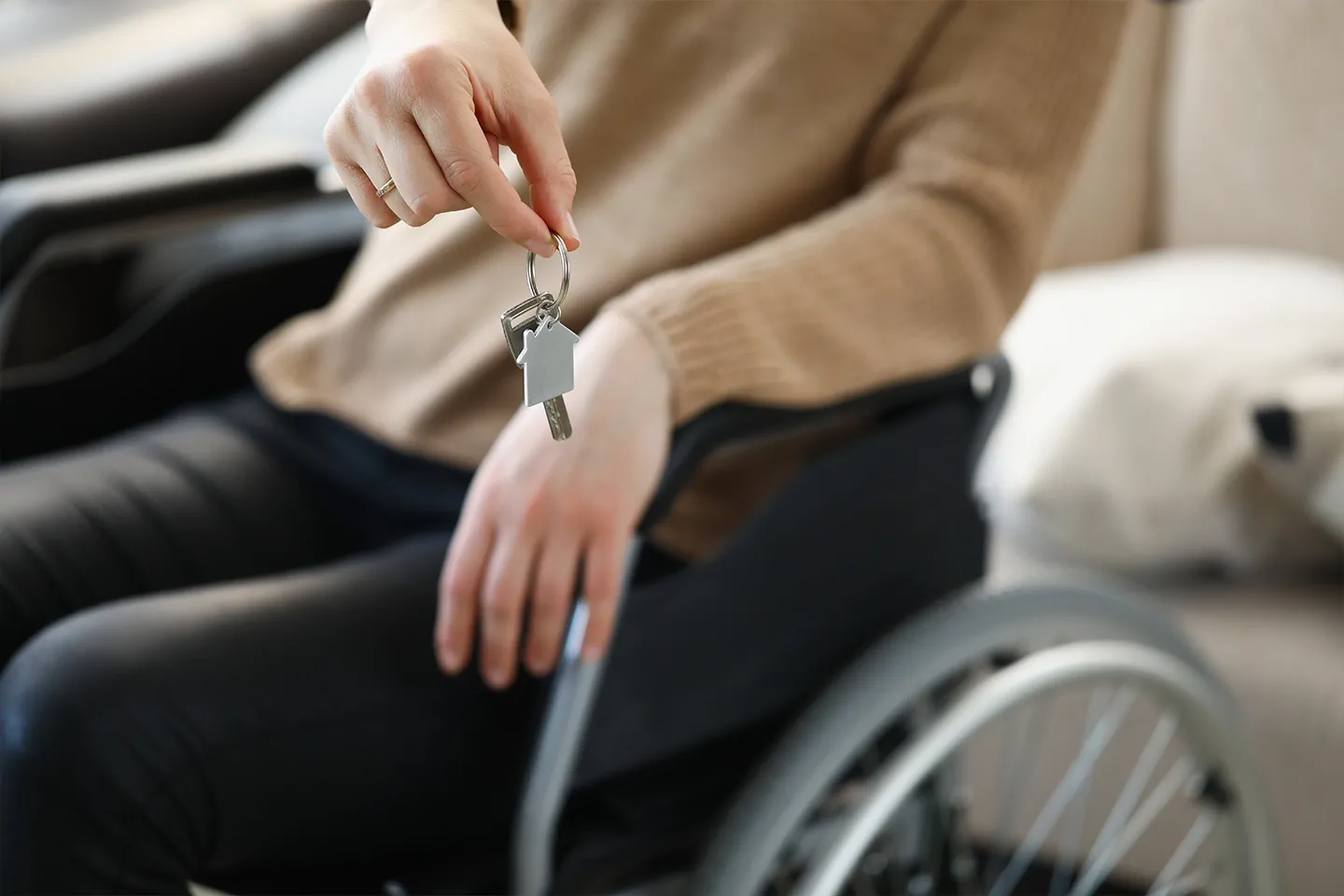
Housing that fails to meet the needs of people with disabilities may have long-term negative consequences for achieving independence. Recent research conducted by Center scientists suggests that people living with mobility impairments may experience a prolonged search for adequate housing.
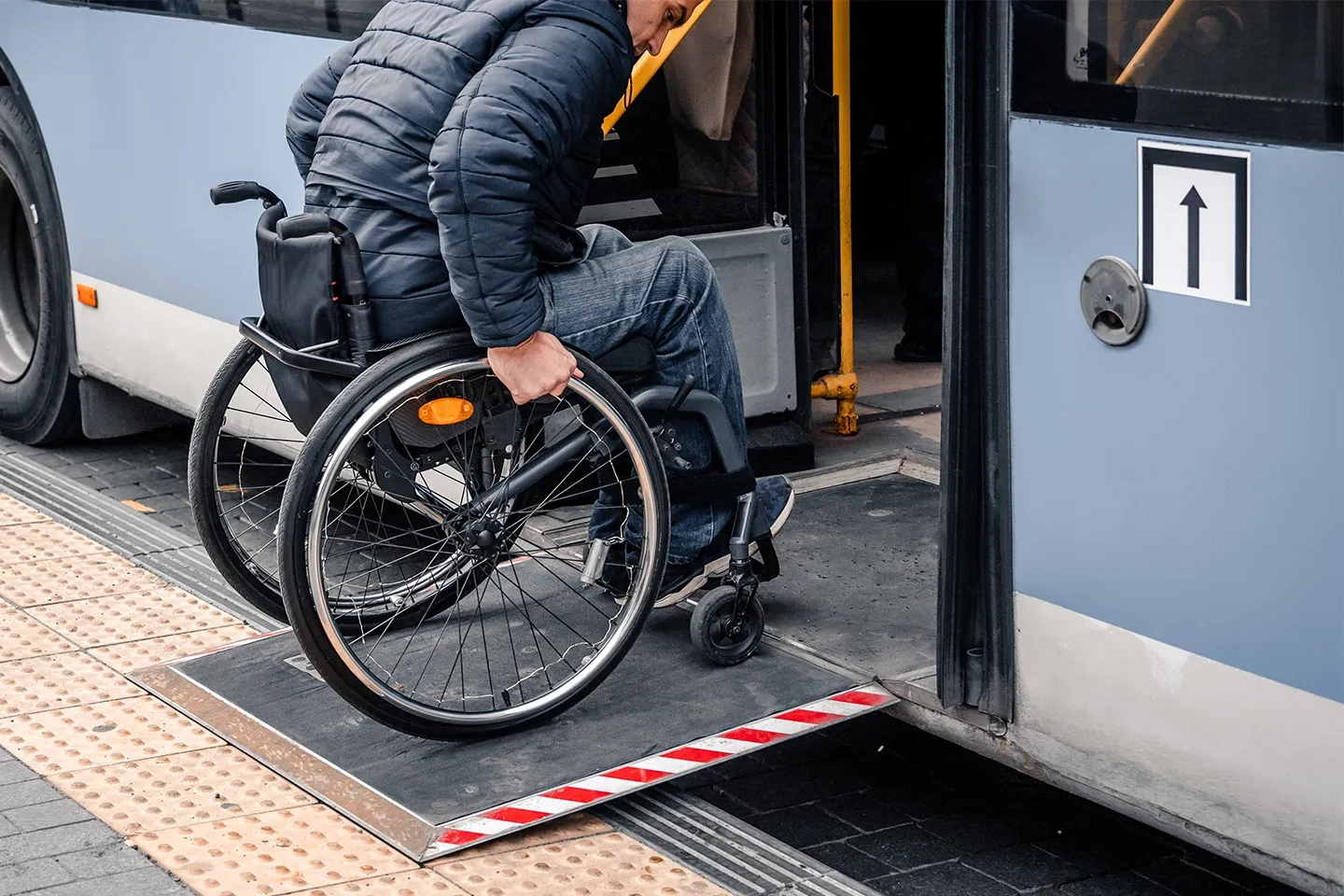
Limitations to transportation access can be a major barrier to employment, community participation, and independent living for people living with disabilities. Our researchers are working to understand the barriers that people with disabilities face and the policies and services needed to address these inequities.
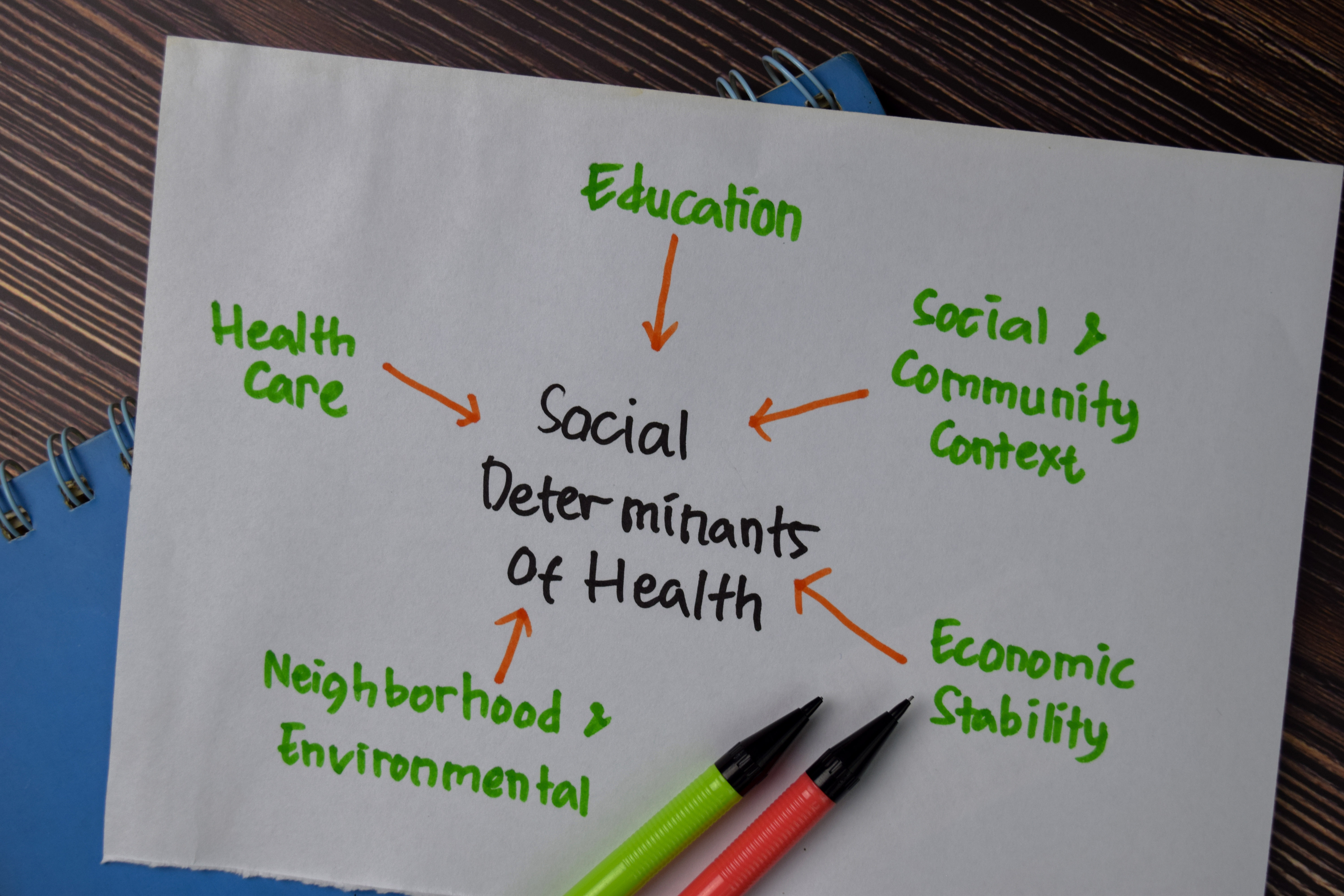
Recent studies reveal unmet healthcare needs and the barriers to care that affect members of the disability community. Crucially, researchers are focusing on ways to identify and alleviate financial constraints and service gaps for children and adults with disabilities.

Center researchers have been investigating disparities, including those related to race, ethnicity, language, geography, and other factors, that could potentially create obstacles to crucial services for children with special health care needs or disabilities. These studies include school re-entry and social integration as well inequities in the access to health services among youth on the autism spectrum.
Our Outcomes and Assessment Team