
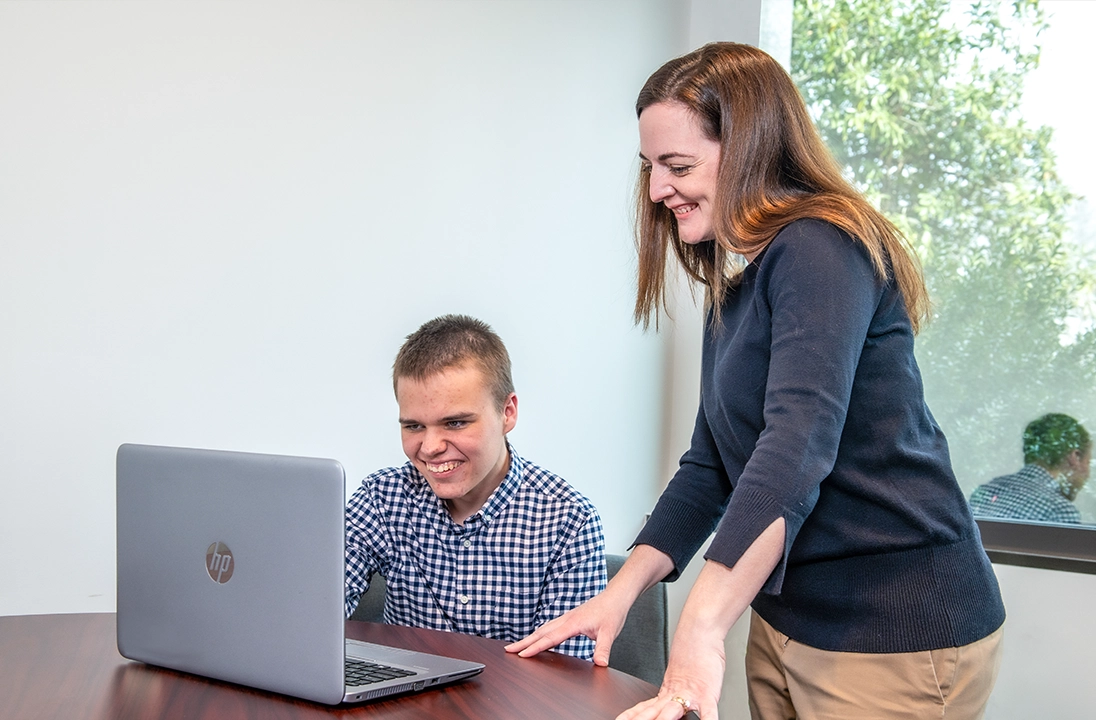
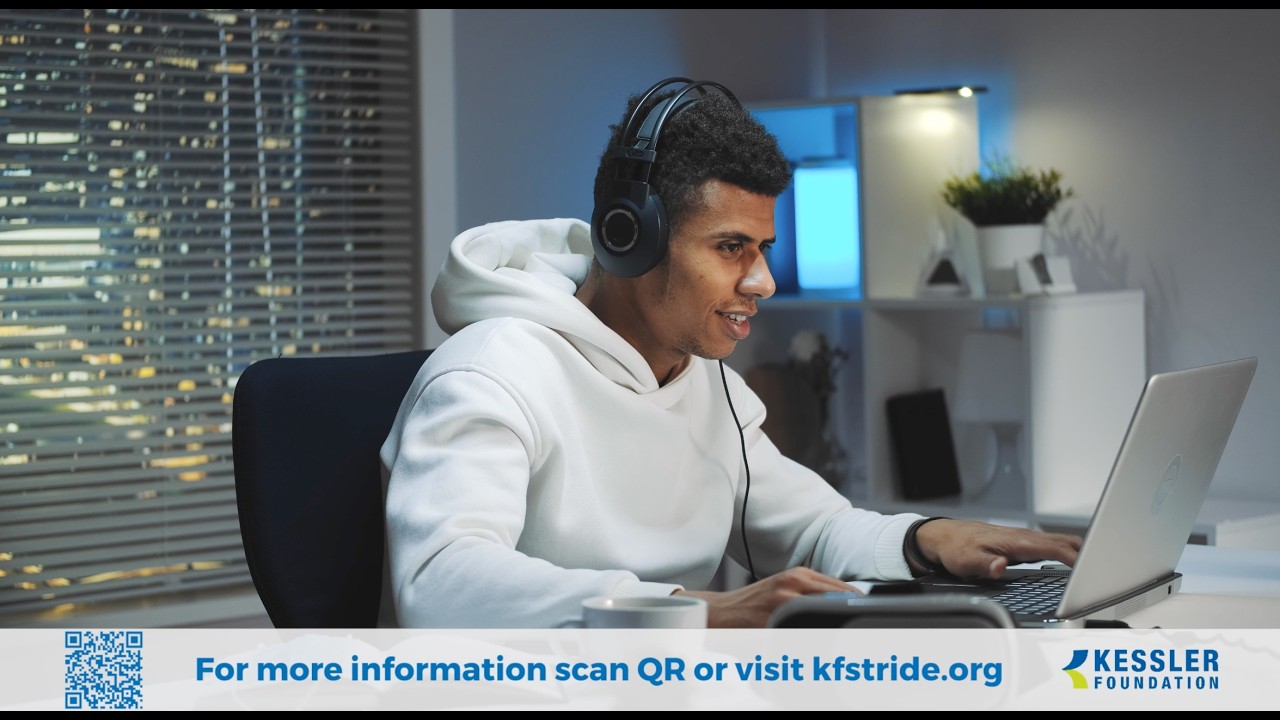
Individuals with autism and other neurodevelopmental conditions continue to face barriers to employment, particularly during the transition to adulthood. KF-Stride® (Kessler Foundation Strength Identification and Expression) is a web-based, animated educational program that helps adolescents and adults identify and communicate their strengths, build confidence, and prepare for meaningful employment. Grounded in positive psychology, KF-Stride supports participants as they navigate interviews, set career goals, and succeed in the workplace.
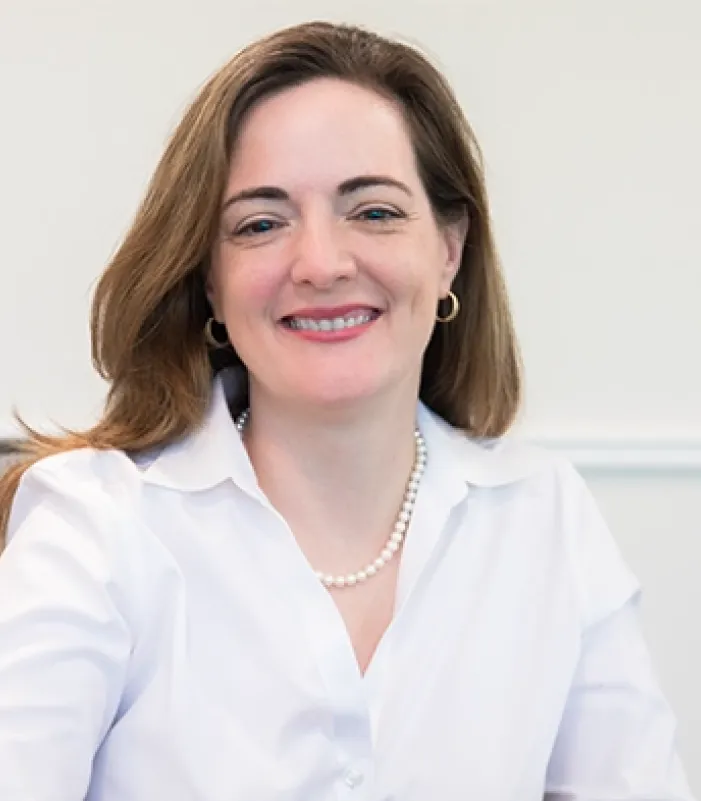
Firsthand experience with the strengths and potential of individuals with autism and other neurodevelopmental conditions inspired the creation of KF-Stride. The program supports employment readiness while empowering participants to recognize, communicate, and leverage their abilities in school, work, and everyday life.
Physical Activity in Transition-Age Youth on the Autism Spectrum
The goal of this study is to understand and improve physical activity in youth on the spectrum.

Your Support Drives Change
Giving to Kessler Foundation brings new, positive possibilities to children, adolescents, and adults on the autism spectrum.
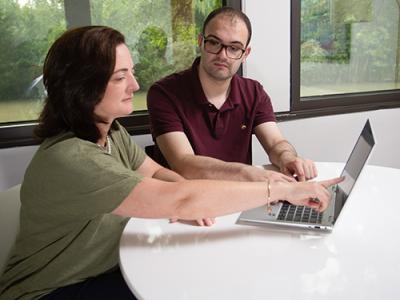
Turning Gabriel's Interview Anxiety into Confidence
For Gabriel, an autistic young adult, each practice job interview with KF-Stride® learning program built his confidence and helped him recognize the strengths he already possessed...

Interview Skills Boost Holly Coviello's Confidence Despite Autism
For 18-year-old Holly Coviello and her mother, the typical questions about finding employment have loomed large. Holly is autistic.
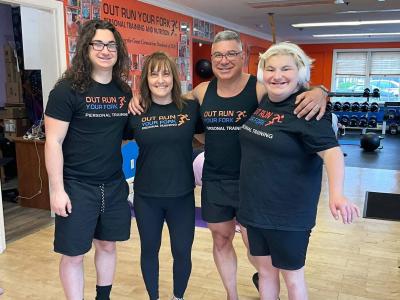
Bianchino Family, Bridging Perspectives in Autism
Inspired by their daughter Kira and her journey on the autism spectrum, Melissa and Tony Bianchino are driving impactful change...
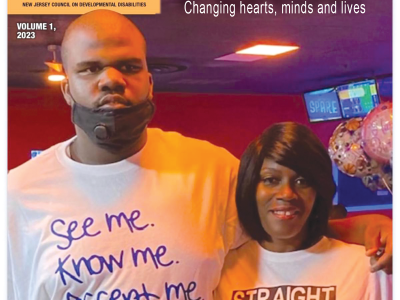
Nadine and Nassan Change the Status Quo for Autism
Nadine Wright-Arbubakrr, whose son Nassan is on the autism spectrum, experienced first-hand the lack of accessible, affordable resources in her community.
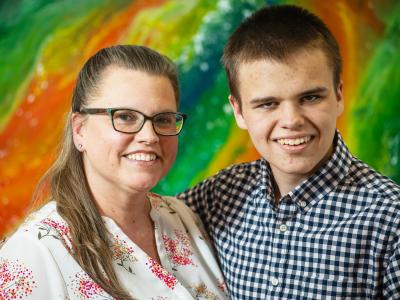
William Lands a Summer Job
Potential employers ask, “Why are you the right person for the job?” Understanding your strengths helps, especially for those on the spectrum...
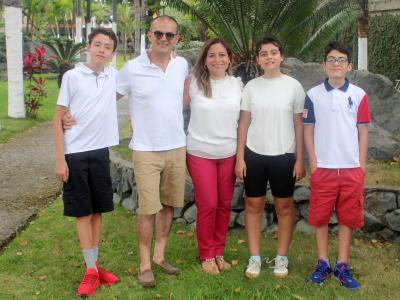
Carla Vicari, Autism Meets Mother's Intuition
Sixteen years ago, when I found out I was pregnant, my husband and I were overjoyed. When we learned we were having twins, our joy more than doubled.
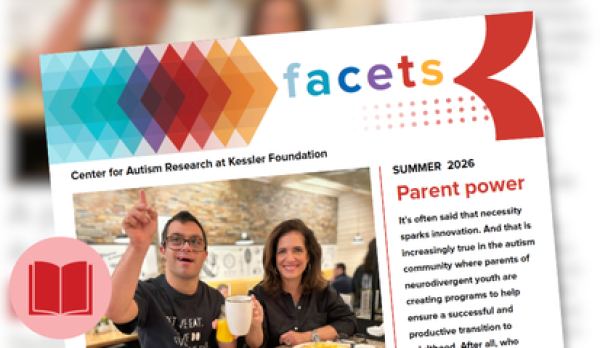
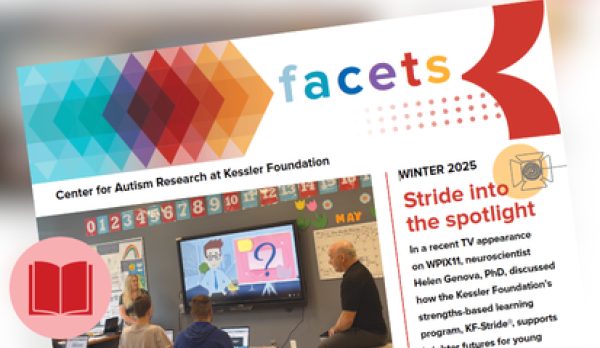
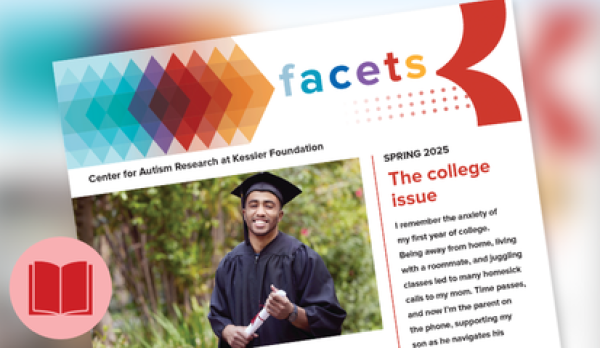
Our Autism Scientists in Action
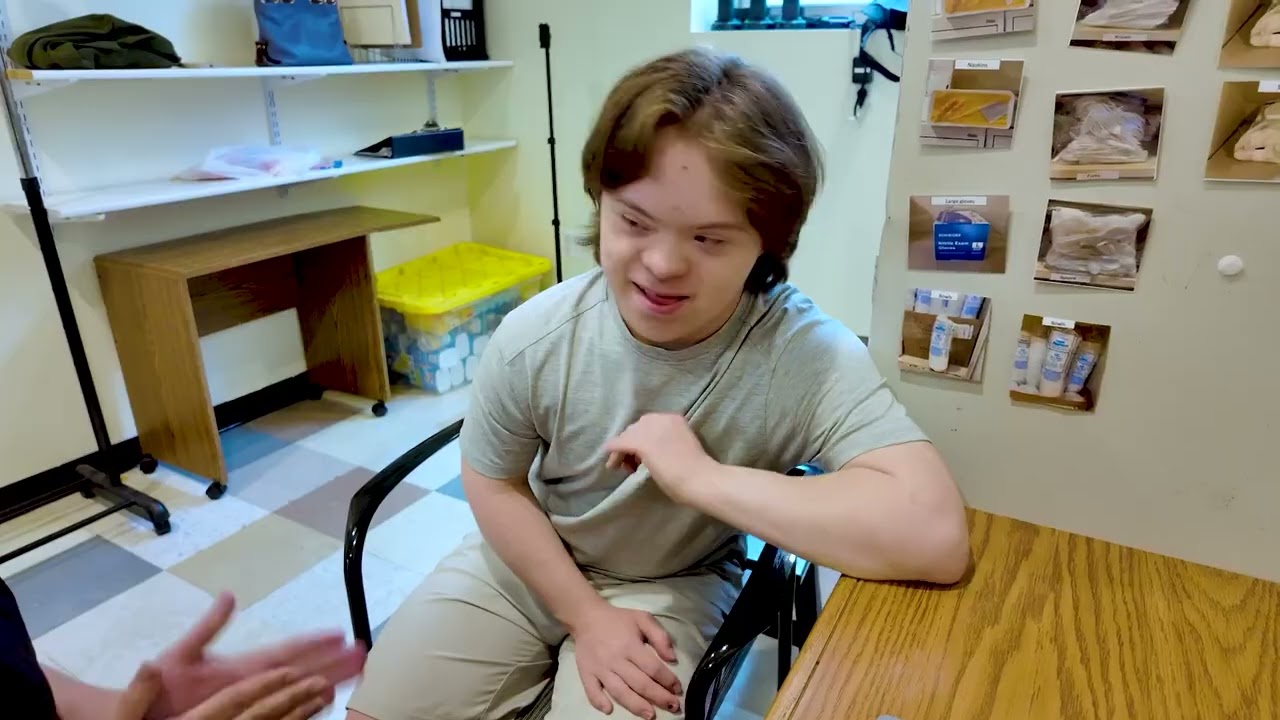
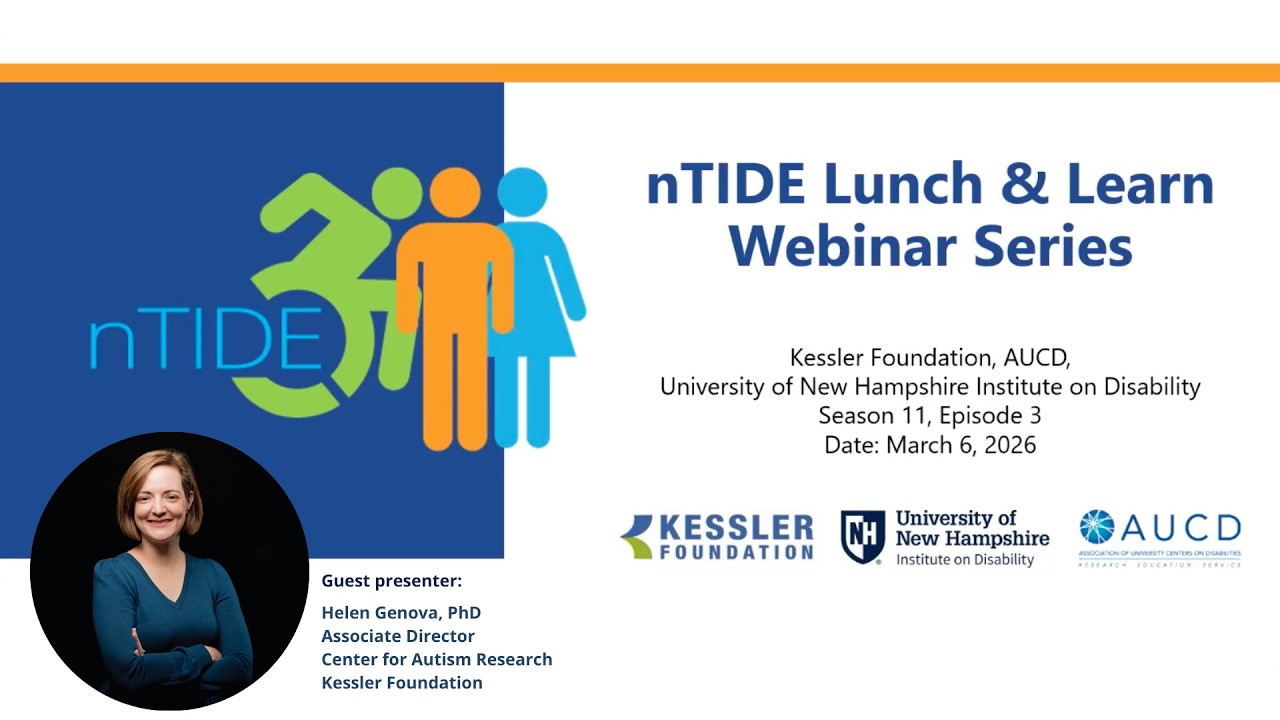
Our Scientists Studying Autism and Neurodevelopmental Conditions

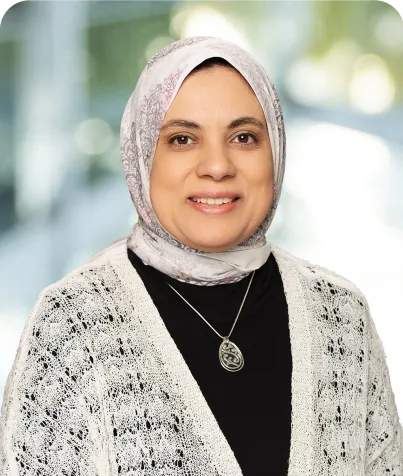
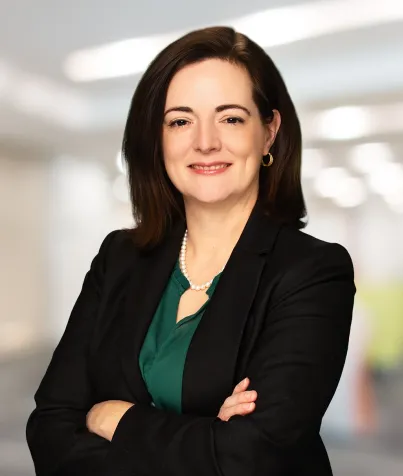
FAQs About Autism and Neurodevelopmental Condition Research
Kessler Foundation’s autism and neurodevelopmental condition research focuses on practical strategies that help build skills for school, work, independent living, and community participation. Read more about our KF-Stride® online program.
Yes. Kessler Foundation researchers develop and study programs that help young adults with autism and other neurodevelopmental conditions build greater independence. These programs strengthen communication, self-advocacy, employment readiness, decision-making, and community participation skills. Learn more on our Center for Autism Research page.
Employment readiness programs help adolescents and adults with autism and other neurodevelopmental conditions build workplace skills, confidence, self-advocacy, communication, and problem-solving abilities. Kessler Foundation researcher Helen M. Genova, PhD, developed KF-Stride, an evidence-based online program that helps participants recognize their strengths, prepare for employment, and successfully transition to adulthood.
Strength-based autism research focuses on a person's abilities, interests, and goals rather than limitations. This approach helps people with autism and other neurodevelopmental conditions build confidence, develop practical skills, and prepare for greater independence at school, at work, and in the community. Learn more at our Center for Autism Research.
Research participants play an essential role in shaping future programs and supports for individuals with autism and other neurodevelopmental conditions. By sharing their experiences and perspectives, participants help researchers gain insights that can lead to more effective, accessible, and person-centered approaches To learn more, read our article “3 Reasons to Join a Research Study.”
Yes. Eligibility varies by study. Kessler Foundation research studies may include children, adolescents, young adults, older adults, families, caregivers, and individuals without autism or other neurodevelopmental conditions. Visit our Join a Study page to explore current opportunities.
Yes. Some Kessler Foundation autism studies can be completed fully online from home, including studies related to KF-Stride and employment preparation. Availability varies by study. Visit our Join a Study page to see which remote opportunities are currently recruiting.
