
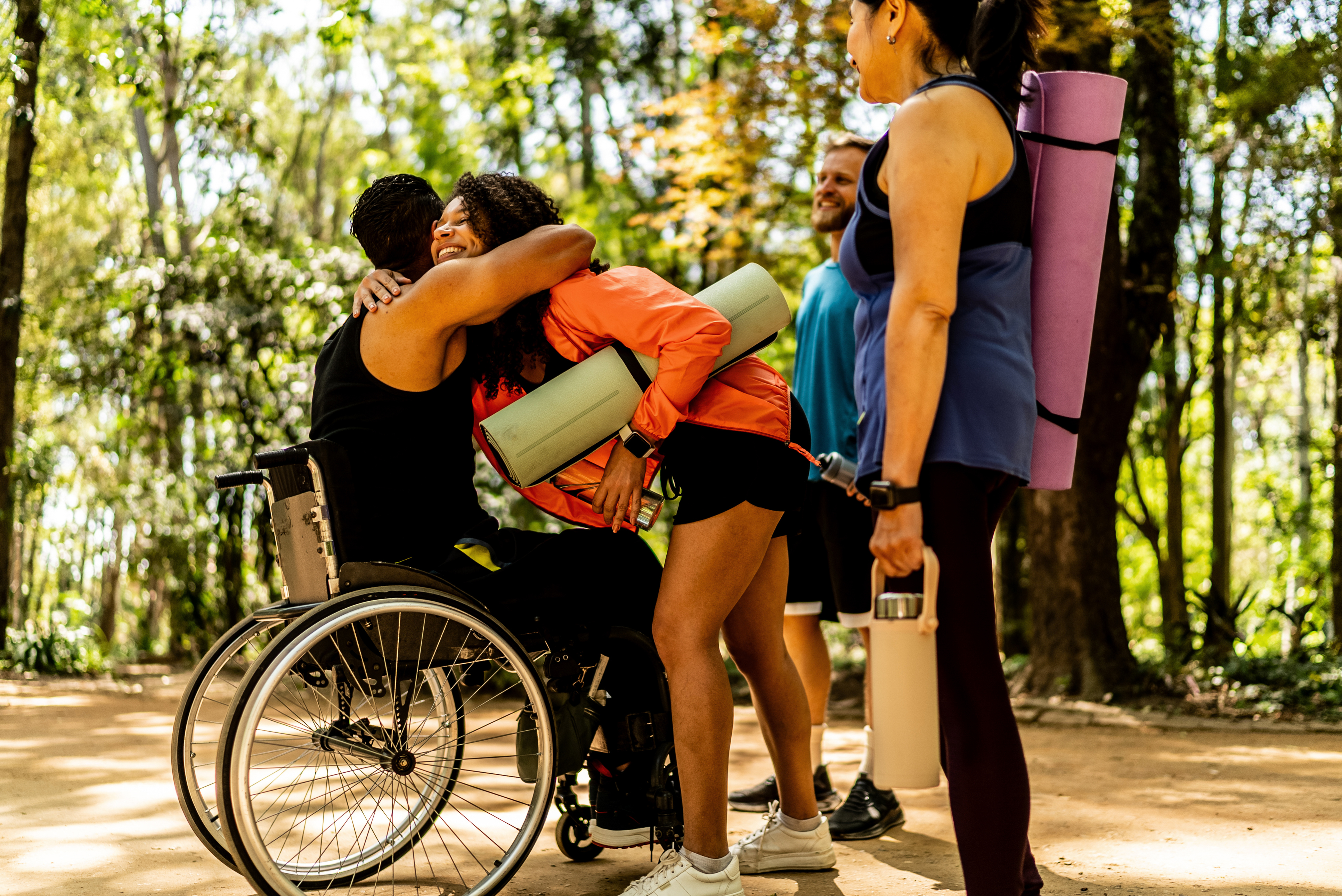

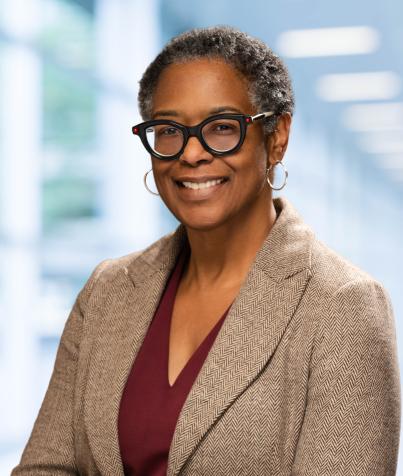
Lauren Strober, PhD, studies the effects of depression, anxiety, and social isolation on people with multiple sclerosis. She develops strategies to enhance resilience and emotional well-being. Her work includes designing interventions that strengthen social support networks.
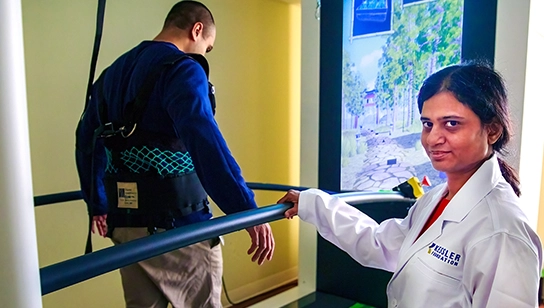
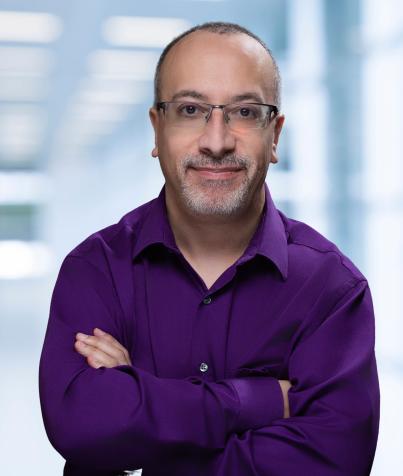
Staying active in the community is all about being prepared for uneven sidewalks, busy crowds, and surprises along the way. Kiran Karunakaran, PhD, is exploring innovative technologies like virtual-reality treadmills and wireless brain monitoring to get a better understanding of how the brain controls movement. These advances aim to give people more confidence and independence as they go about their daily lives.
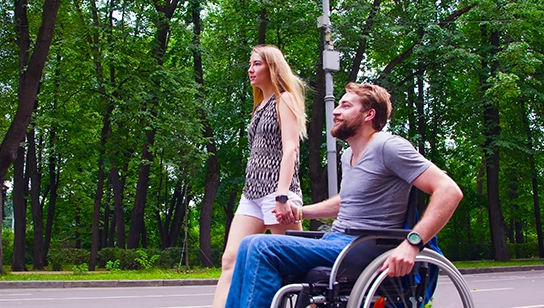
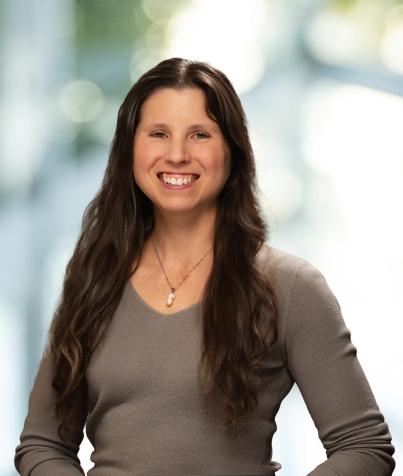
Recognizing the vital role of spinal cord injury caregivers, Jeanne Zanca, PhD, MPT, developed training, peer support, and educational materials to empower families and professionals to deliver high-quality care and care for themselves.
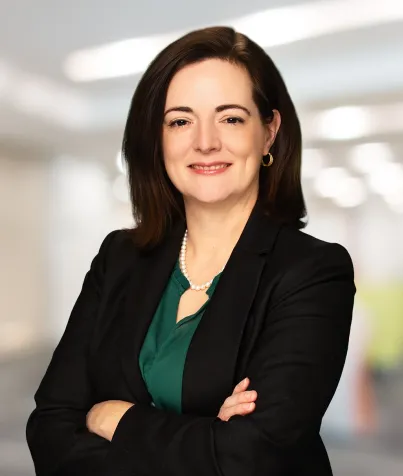
A simple trip through the neighborhood can reveal what “access” really means. In a study by Kessler Foundation researchers, people with spinal cord injury who use wheelchairs shared what it was like to travel through their communities. They used a GPS app to record where they went, what helped along the way, and what got in their way. “We go to the street level,” says Amanda Botticello, PhD, MPH. Participants described the planning and effort that can be part of an everyday trip. They also highlighted the things that make a community feel more welcoming and connected, such as ramps, accessible restaurants, buses that are easy to board, and neighbors who are ready to help.
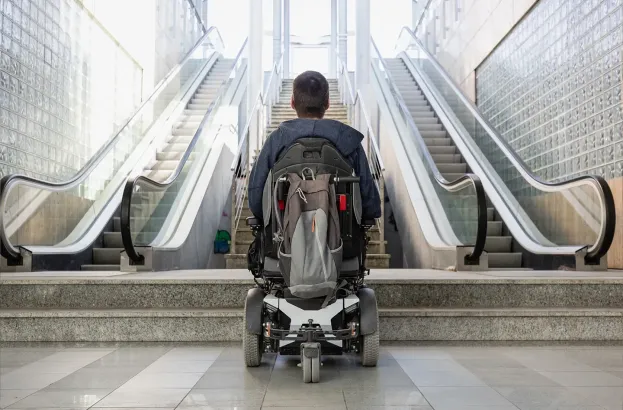
Our SCI Navigator Program, led by Denise Fyffe, PhD, is a free, dedicated resource for individuals with spinal cord injury and their families. We offer care coordination, help adjusting to home life, and connections to community resources for those living with SCI and their loved ones.
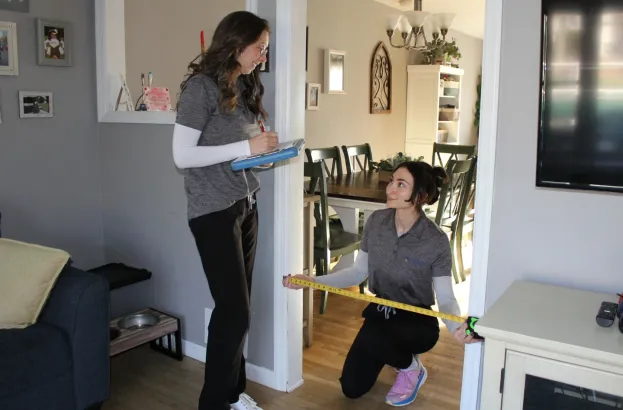
Help Reduce Loneliness Among Individuals with Spinal Cord Injury
The purpose of the study is to adapt a loneliness intervention developed for individuals with multiple sclerosis to be utilized by individuals with SCI.

Our researchers are working to understand why some children with disabilities face obstacles to essential healthcare, school support, and community services. Factors such as race, language, income, and location can limit access and opportunities, especially for youth with special health care needs and those on the autism spectrum. By identifying these gaps, studies focus on improving school re-entry, social participation, and equitable access to care so every child can learn, grow, and thrive.

Your Support Drives Change
When you give to Kessler Foundation, you provide people with disabilities and their caregivers the opportunity to live more independent, connected, and fulfilling lives—helping communities become more inclusive for everyone.
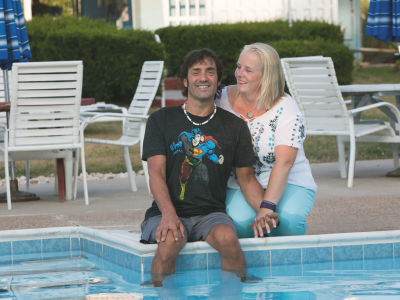
Bill Pastras, Why Research Matters to Me After My Stroke and TBI
In 2017, my life changed in an instant. While driving on the New Jersey Turnpike, I suddenly felt weak and lost control of my car...
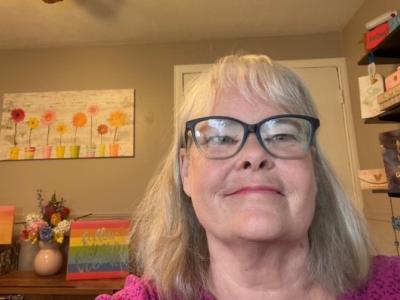
Therese Bertrand, Finding My Way Forward With Multiple Sclerosis
A phone call changed Therese Bertrand's life. It brought a diagnosis she had never expected...
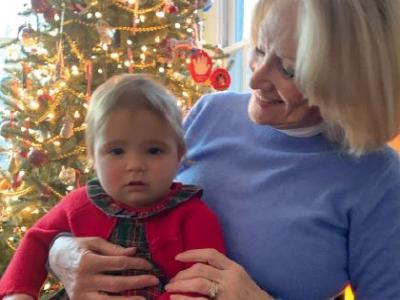
Pastora Goldner, A Mother’s Day Reflection
Over thirty years ago, Pastora was involved in a devastating car accident in the middle of the desert. She has lived with a spinal cord injury ever since.
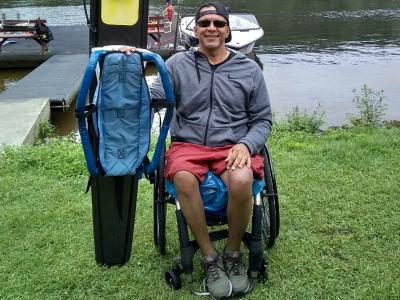
Victor Pena Keeps Life Sporty After SCI
“I’m passionate about sports,” says Victor Pena, who lives with SCI. “Staying active improves my physical and mental health.”
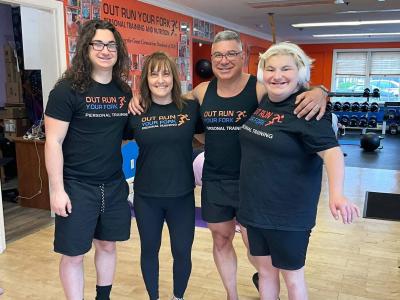
Bianchino Family, Bridging Perspectives in Autism
Inspired by their daughter Kira and her journey on the autism spectrum, Melissa and Tony Bianchino are driving impactful change...
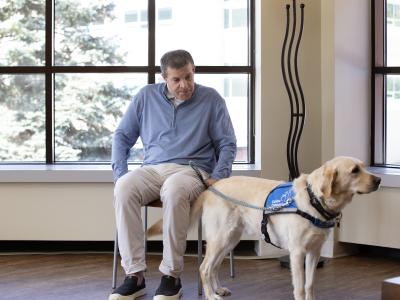
John McAleavey, Experience Guides the Way, SCI Quality of Life
John McAleavey has lived with a spinal cord injury for 32 years. Now he's guiding others...
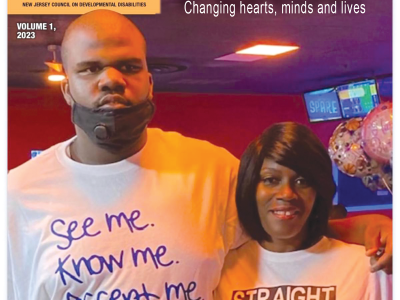
Nadine and Nassan Change the Status Quo for Autism
Nadine Wright-Arbubakrr, whose son Nassan is on the autism spectrum, experienced first-hand the lack of accessible, affordable resources in her community.
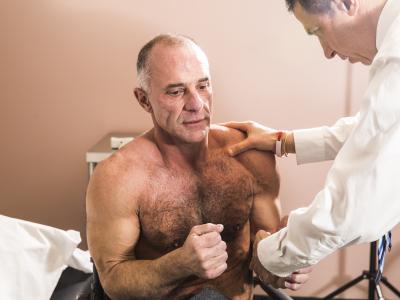
Joe Monteforte's Remarkable Journey, SCI
In 2017, Joe Monteforte, a wheelchair user with spinal cord injury and debilitating shoulder pain, faced the prospect of shoulder surgery...
Our Scientists Studying Quality of Life and Community Engagement



Our Specialized Centers Committed to Quality of Life
FAQs About Quality of Life and Community Engagement Research
Yes. Rehabilitation can help people become more independent, stay active, and improve their overall quality of life after injury or illness. Kessler Foundation researchers develop evidence-based strategies that address mobility, community participation, healthcare access, emotional well-being, and other factors that help people live, work, learn, and participate more fully in everyday life. Learn more about our Quality of Life and Community Engagement Research.
Many factors influence quality of life, including access to healthcare, transportation, employment, housing, caregiving, social connections, and emotional well-being. Kessler Foundation researchers study these challenges and develop solutions that help people with disabilities live healthier, more independent, and more connected lives. Explore more at About Our Research.
Staying connected through work, school, recreation, volunteering, relationships, and community activities can improve health and well-being. Kessler Foundation researchers identify the barriers that limit participation and develop strategies that promote accessibility, inclusion, independence, and meaningful community engagement.
Kessler Foundation researchers study the everyday challenges people with disabilities face, including healthcare access, transportation, caregiving, emotional well-being, social connection, and independent living. Their findings help develop new rehabilitation programs, community resources, and policies that improve participation and quality of life.
Caregivers often need guidance, education, and support as they help a loved one adjust after a disabling injury or condition. Kessler Foundation offers the free SCI Navigator Program, a Caregiver Training Course, and peer support that help families build confidence, solve everyday challenges, and connect with community resources.
Barriers such as inaccessible transportation, housing, healthcare, workplaces, sidewalks, and public spaces can make everyday activities more difficult. Kessler Foundation researchers study how these challenges affect independence, employment, health, and community participation, and use that evidence to improve accessibility, inform public policy, and create more inclusive communities. Learn more by reading this Real-Life Science summary.
Strong social connections, resilience, access to support, and effective rehabilitation can all improve emotional well-being after disability. Kessler Foundation researchers study depression, anxiety, social isolation, and other factors that affect people with conditions such as multiple sclerosis and spinal cord injury, developing interventions that strengthen emotional health and quality of life. Learn more at Multiple Sclerosis Research.
Kessler Foundation conducts rehabilitation research that helps people with disabilities improve independence, health, and community participation. Our studies focus on reducing barriers, developing practical solutions, and improving daily life for people with spinal cord injury, stroke, traumatic brain injury, multiple sclerosis, autism, and other neurological and developmental disabilities. Explore more at About Our Research.
Kessler Foundation regularly recruits volunteers for studies on community participation, caregiving, transportation, emotional well-being, healthcare access, and other aspects of daily living. By participating, you can help advance rehabilitation research while contributing to better care and outcomes for future generations.
