
Accelerating Discovery and Recovery from Spinal Cord Injury
Reynolds Center researchers have built an unparalleled infrastructure of clinical information, advanced technology, and expertise in spinal cord stimulation, a comprehensive foundation to address the complex challenges faced by people with spinal cord injury and unlock the full potential of the human body.
participants in 20+ studies
presentations at national and international conferences
peer-reviewed publications
national and international collaborators in the Reynolds Consortium
Reynolds Center Leadership
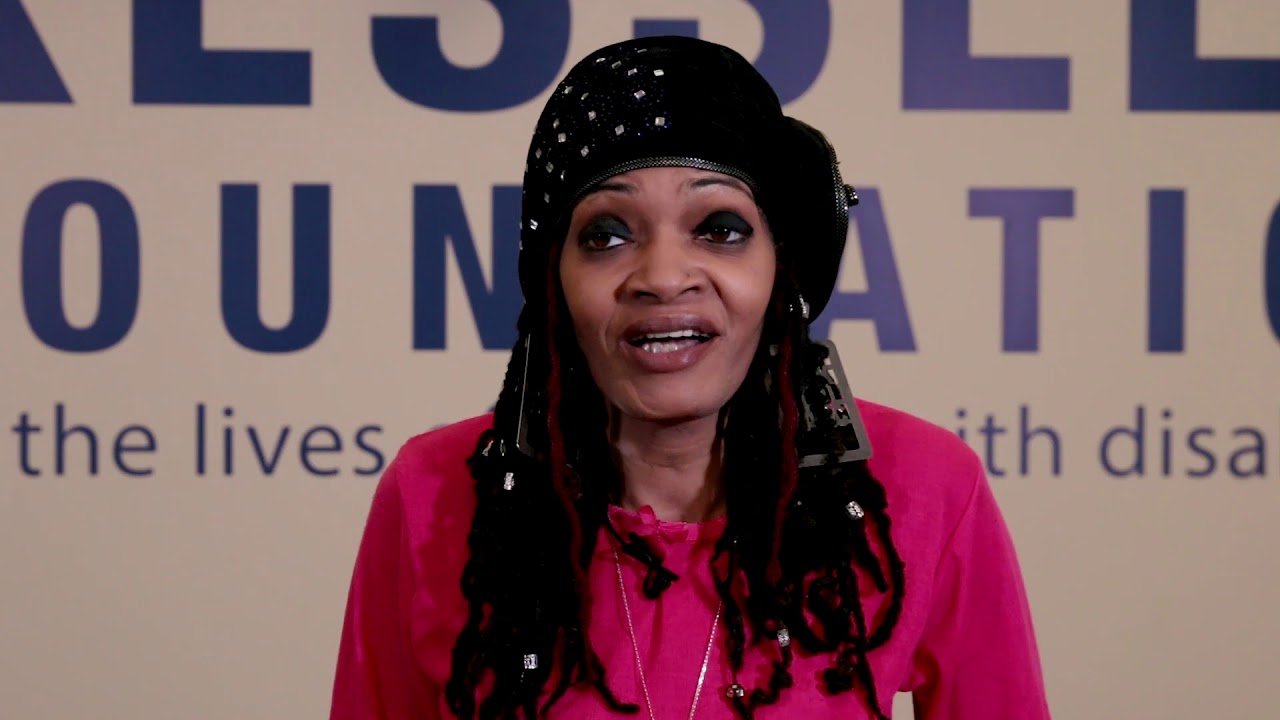
During the study, I made steady progress in standing and stepping. I’ve stood unassisted for a minute using a bar for balance, and now continue training with stimulation at home. And I’m incredibly proud to be part of a program that will ultimately help others living with spinal cord injury.
Putting my trust in this research team has made all the difference. I have benefited from their knowledge, encouragement, and innovation. My attitude, along with my strength, balance, and overall health, has improved—and now the sensation and movement in my legs is returning. These dedicated researchers continue to prove that with science, passion, and determination, anything is possible.
Epidural Spinal Cord Stimulation: Addressing Spasticity and Motor Function
This study aims to expand the knowledge and capacity for neuromodulation to improve the debilitating effects of severe spasticity (spasms, tonic muscle activity and/or clonus) in persons with spinal cord injury.
Your Support Drives Change
Giving to Kessler Foundation brings new, positive possibilities to people with spinal cord injury.
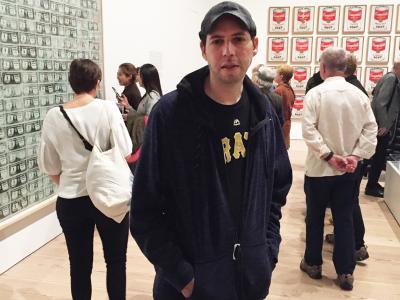
Kenny Diamond, From Love, A Lasting Impact
The Kenny Diamond Memorial Fund to support research in spinal cord injury at Kessler Foundation was established by the Diamond family to honor their son Kenny who passed away...
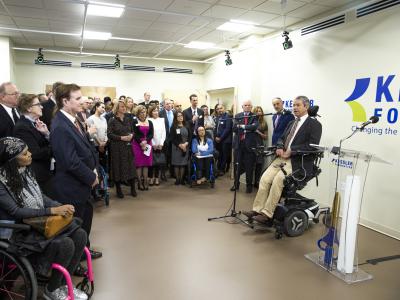
Peter Hersh, Life With SCI, Made Easier
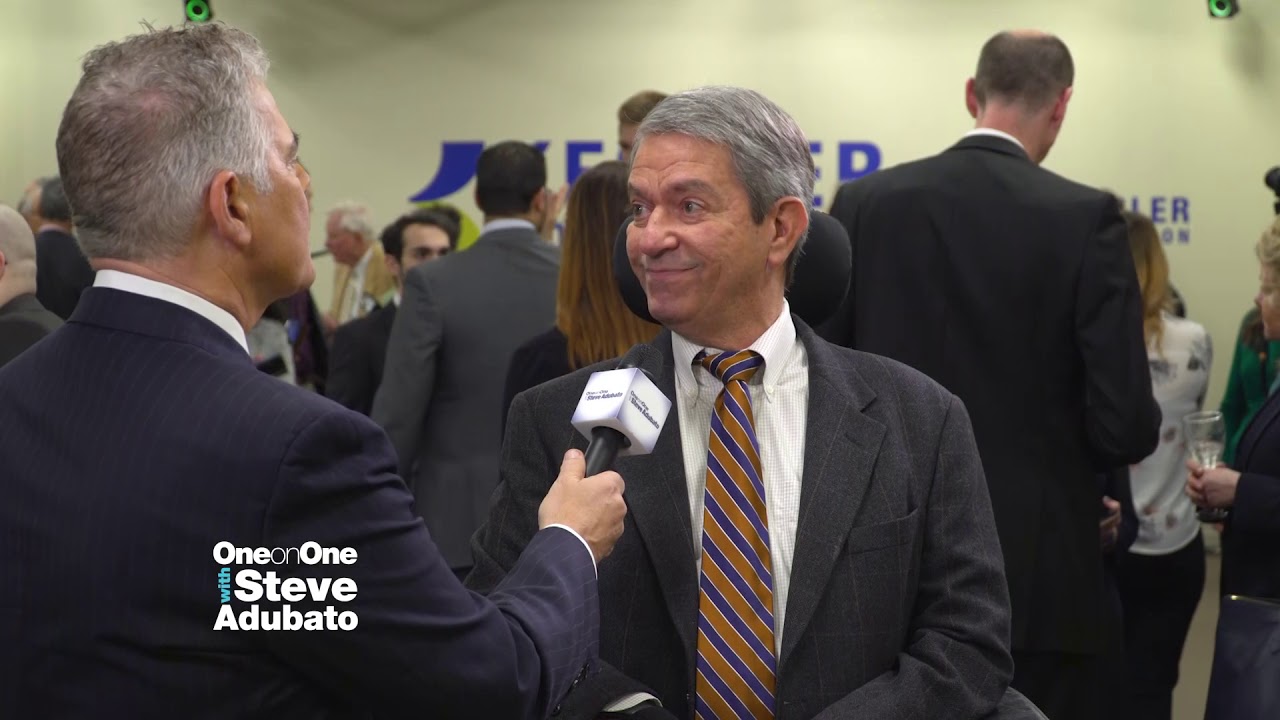
Dr. Peter Hersh, who lives with a spinal cord injury, was among the first to experience transcutaneous spinal stimulation...
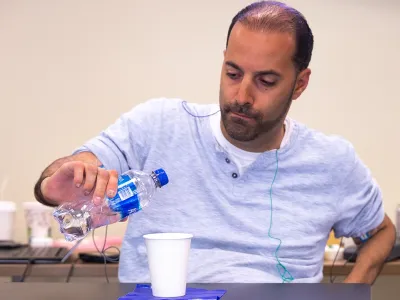
Small Movements. Big Wins.
After sustaining a spinal cord injury in 2004, Jimmy approaches his post-injury rehabilitation with the same athletic drive he put into baseball...
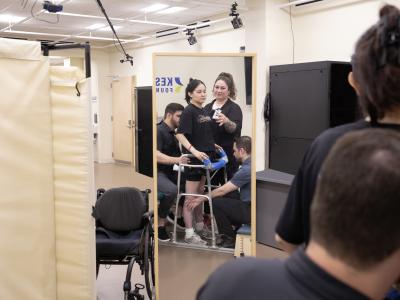
Alexa Is Making Moves After SCI
At age 21, Alexa Alvarez was diagnosed with acute transverse myelitis, a rare nontraumatic cause of spinal cord injury...
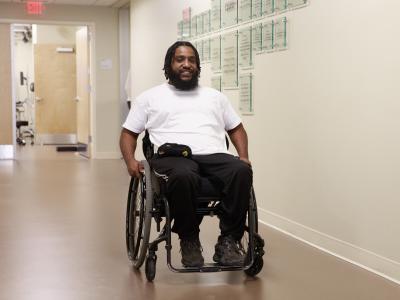
Rafael Torres, Finding Hope After SCI
Almost 20 years ago, Rafael's life changed in an instant. He woke up in the hospital and learned he was paralyzed from the waist down.
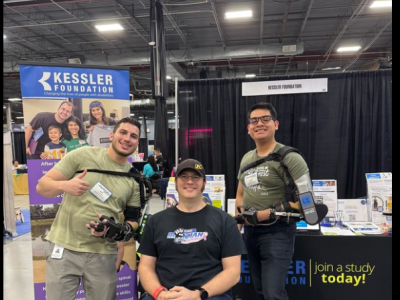
Walt Schumacher, Making Connections After SCI
In April 2024, Walt Schumacher, a process engineer and national off-road motorcycle racer, sustained a spinal cord injury...
Special Research Groups Studying Spinal Stimulation
Rehabilitation Engineering Research Center
The RERC advances innovative technologies that improve mobility, balance, walking, and independence for people with stroke, spinal cord injury, and multiple sclerosis. They test next-generation therapies that strengthen communication between the brain, spinal cord, and muscles through research in robotics, neuromodulation, and AI.
Neural Plasticity Laboratory Encourages Collaboration
The Lab team collaborates with more than 30 internal and external partners, from neuroscientists and engineers to surgeons and cardiologists. They investigate the effects of transcutaneous and epidural spinal stimulation and brain stimulation on gains in motor control and function in individuals paralyzed by SCI.
Reynolds Center Scientists in Action
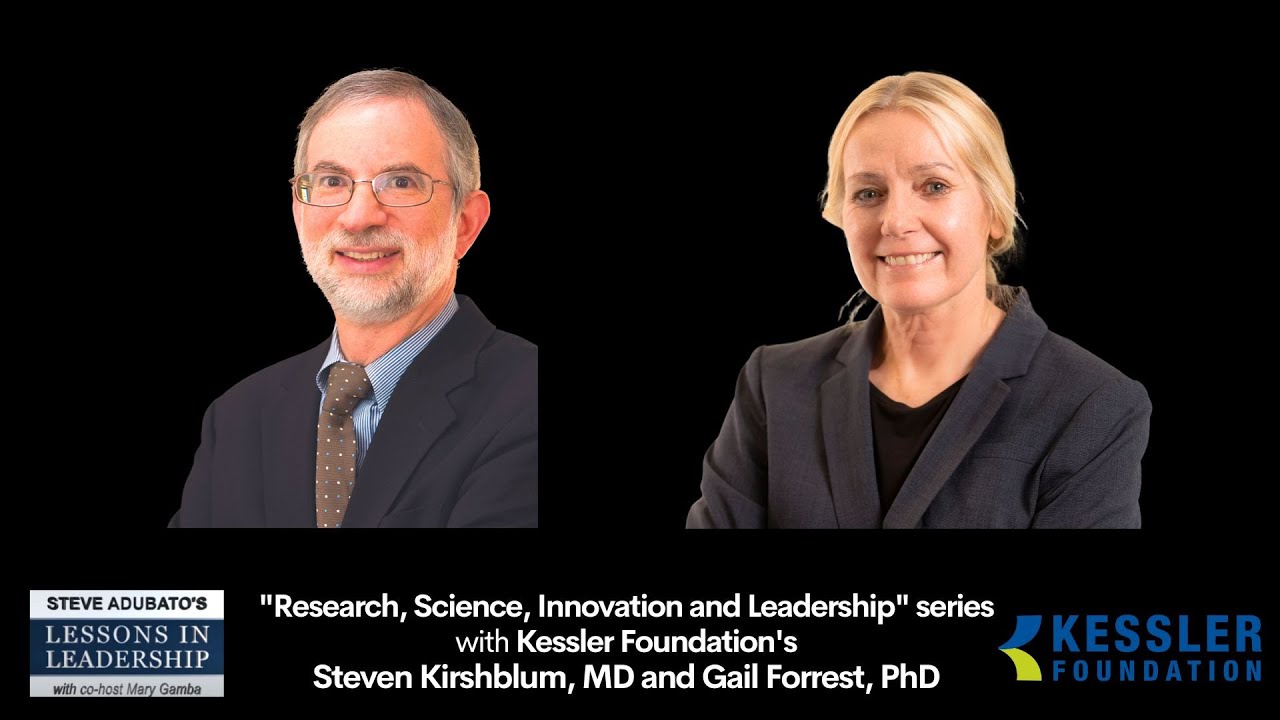
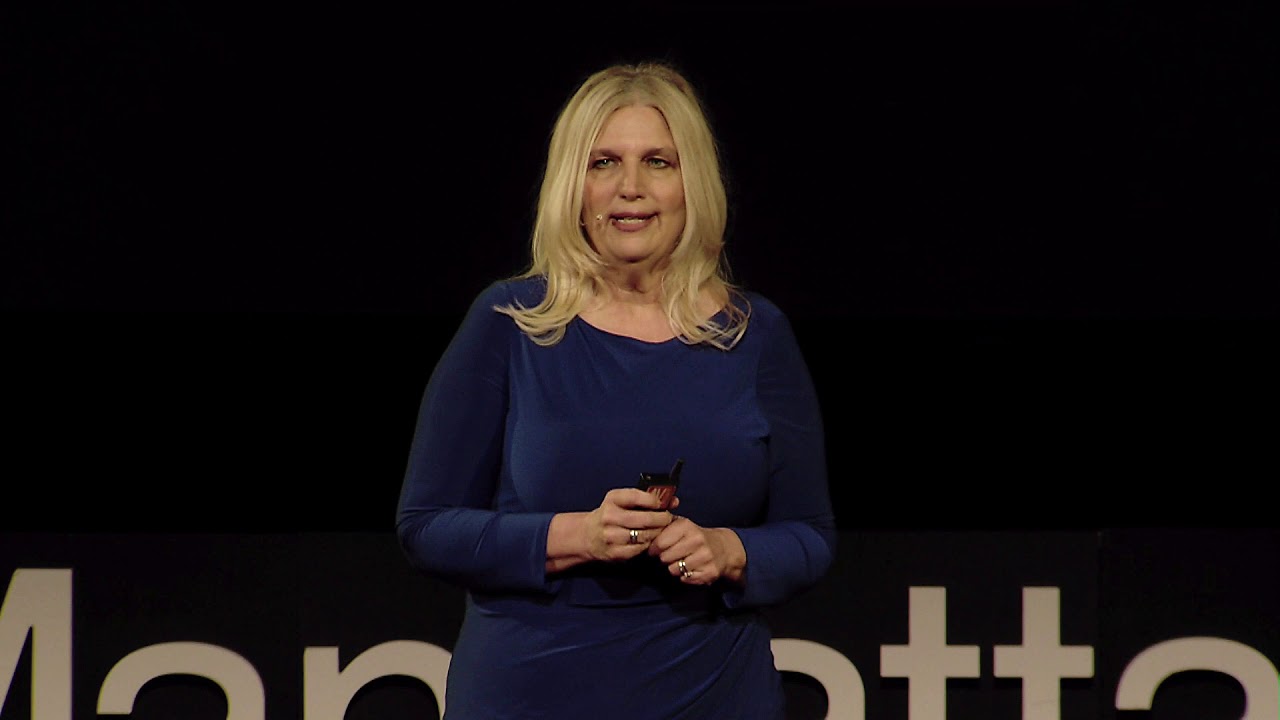
Reynolds Center Team