
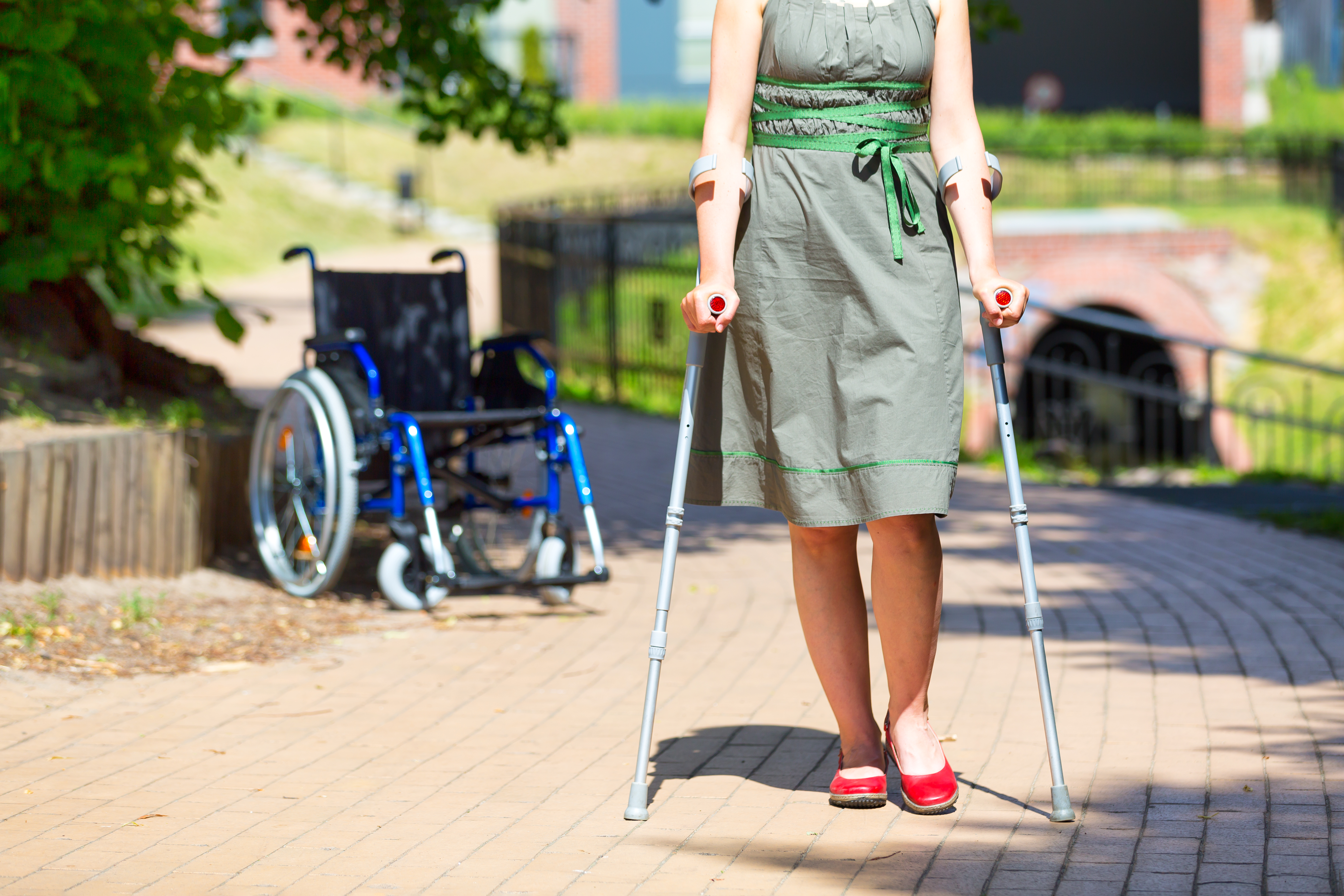
Leveraging Technology to Activate Movement
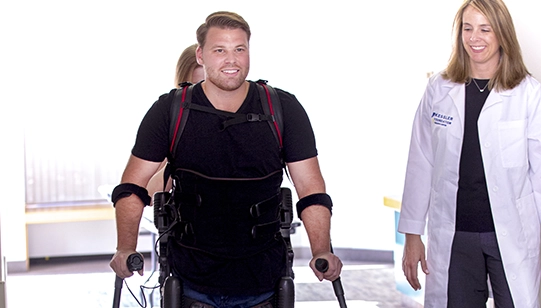
Using state-of-the-art technology and equipment, scientists in our Center for Mobility and Rehabilitation Engineering Research strive to enhance mobility, motor function, and overall quality of life for individuals affected by spinal cord injury, stroke, traumatic brain injury, multiple sclerosis, and cerebral palsy.
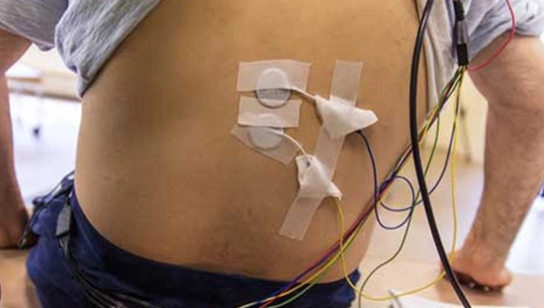
The Tim and Caroline Reynolds Center for Spinal Stimulation is a pioneering research hub dedicated to restoring function and improving quality of life for individuals with spinal cord injury. The Center focuses on neuromodulation therapies to help individuals with paralysis regain motor and autonomic functions.
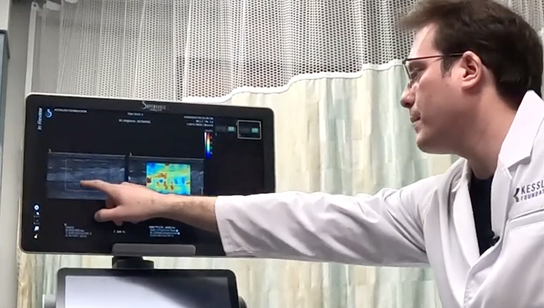
The Derfner-Lieberman Laboratory for Regenerative Rehabilitation Research aims to revolutionize care and recovery by integrating regenerative medicine into the rehabilitation process. Scientists are investigating therapies that enhance tissue repair and offer alternatives to surgery, aiming to restore function and alleviate pain.
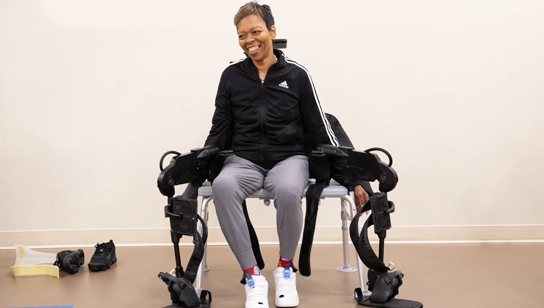
Through coordinated advances in robotics, computational modeling, and neuromodulation, scientists in the RERC are advancing next-generation rehabilitation technologies. This federally funded program targets people who have experienced stroke, spinal cord injury, and multiple sclerosis.
Improving Mobility After Brain Injury with Spinal Stimulation and Gait Training
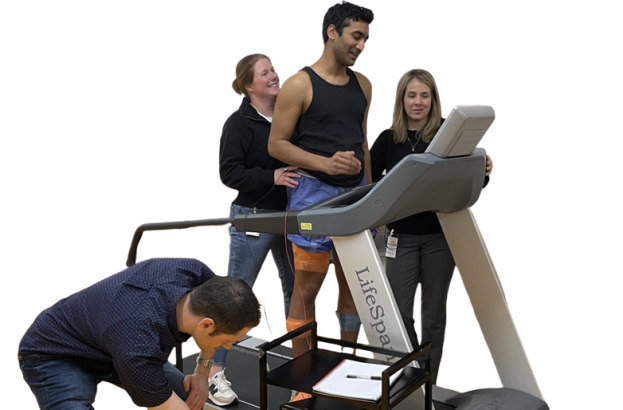
The purpose of this research study is to assess the effects of receiving transcutaneous spinal stimulation while performing walking exercises compared to completing walking exercises without spinal stimulation.
Your Support Drives Change
By supporting Kessler Foundation, you enhance quality of life for people facing mobility challenges.
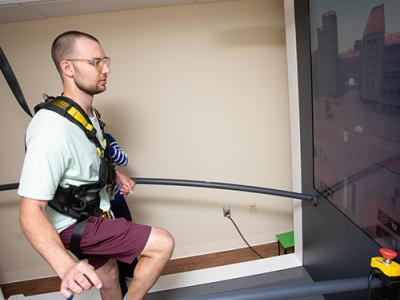
Augmented Reality Empowers Johan's Independence
Once facing profound challenges after brain injury, Johan is now walking unassisted. Discover the augmented reality technology behind his life-changing progress...
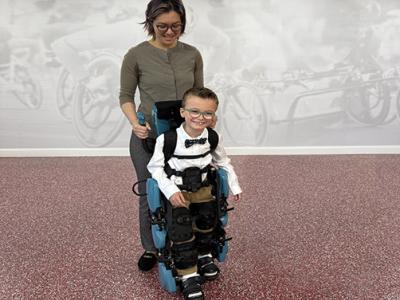
Robotic Exoskeleton Helps Colin Step Forward
When six-year-old Colin Witte, who has cerebral palsy, learned he would be among the first children in the country to try a pediatric robotic exoskeleton, he was thrilled. “I named it Iron Man...”
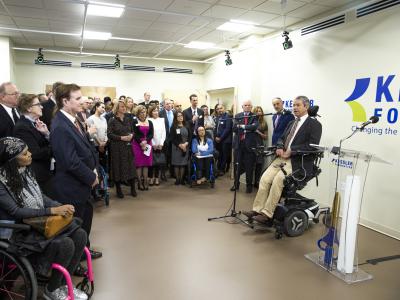
Peter Hersh, Life With SCI, Made Easier
Dr. Peter Hersh, who lives with a spinal cord injury, was among the first to experience transcutaneous spinal stimulation...
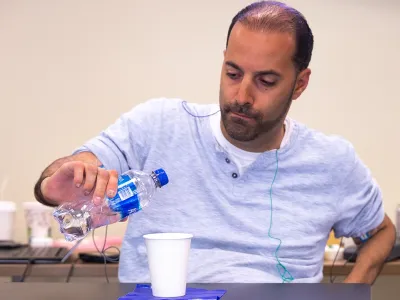
Small Movements. Big Wins.
After sustaining a spinal cord injury in 2004, Jimmy approaches his post-injury rehabilitation with the same athletic drive he put into baseball...
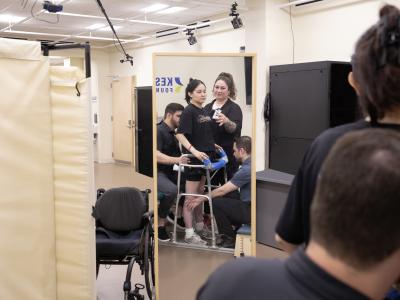
Alexa Is Making Moves After SCI
At age 21, Alexa Alvarez was diagnosed with acute transverse myelitis, a rare nontraumatic cause of spinal cord injury...
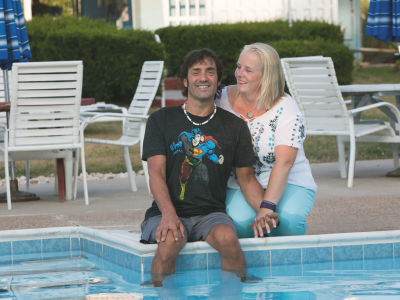
Bill Pastras, Why Research Matters to Me After My Stroke and TBI
In 2017, my life changed in an instant. While driving on the New Jersey Turnpike, I suddenly felt weak and lost control of my car...
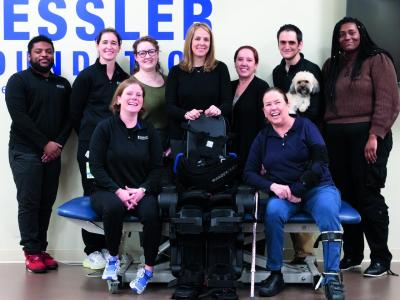
Suzanne Cliff's Journey After Stroke
Suzanne had always been a take-charge kind of person. That all changed after her stroke...
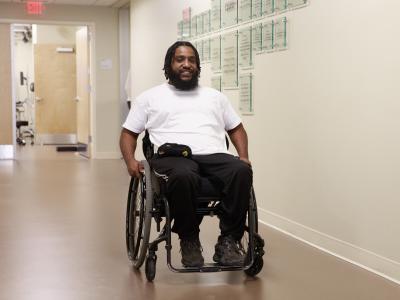
Rafael Torres, Finding Hope After SCI
Almost 20 years ago, Rafael's life changed in an instant. He woke up in the hospital and learned he was paralyzed from the waist down.
Our Mobility Scientists in Action
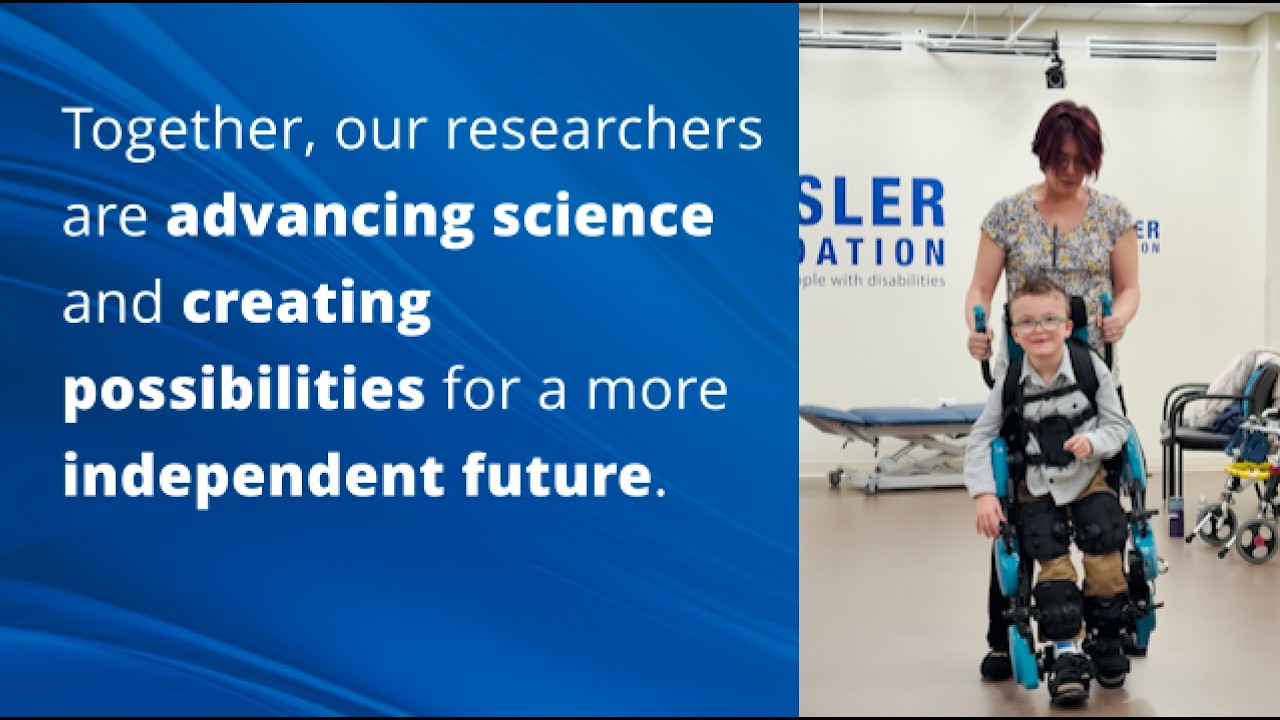
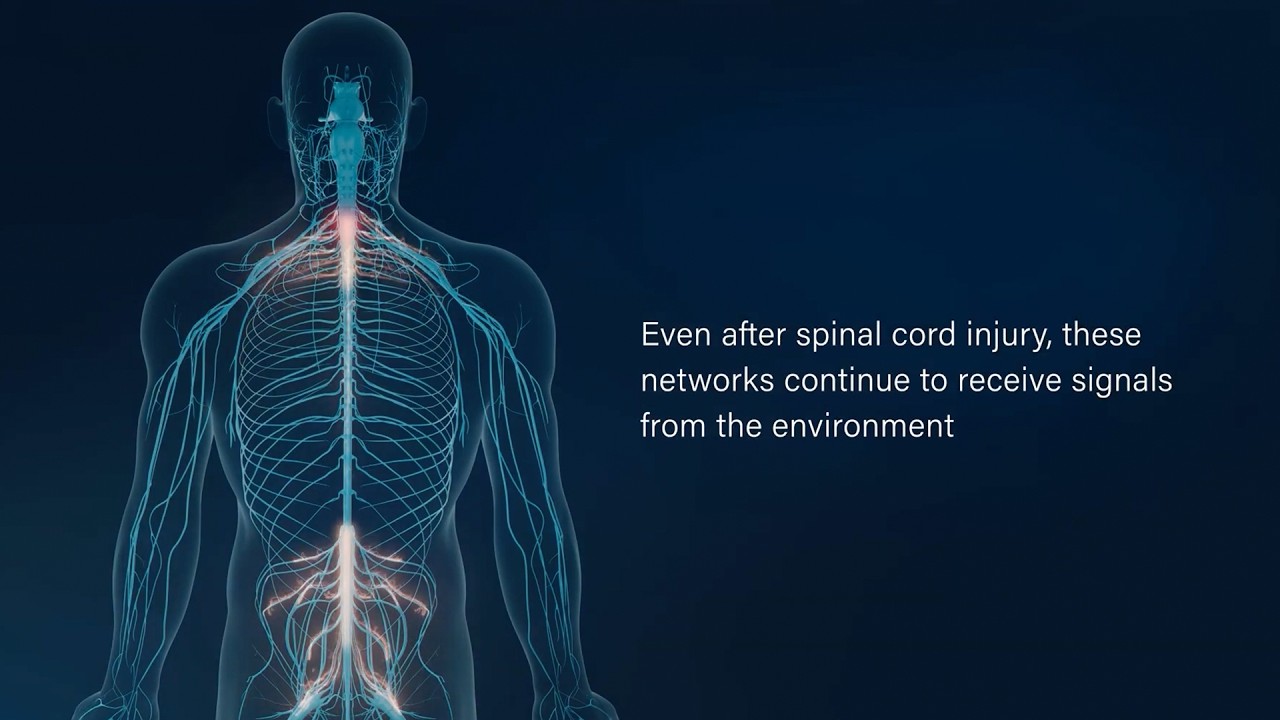
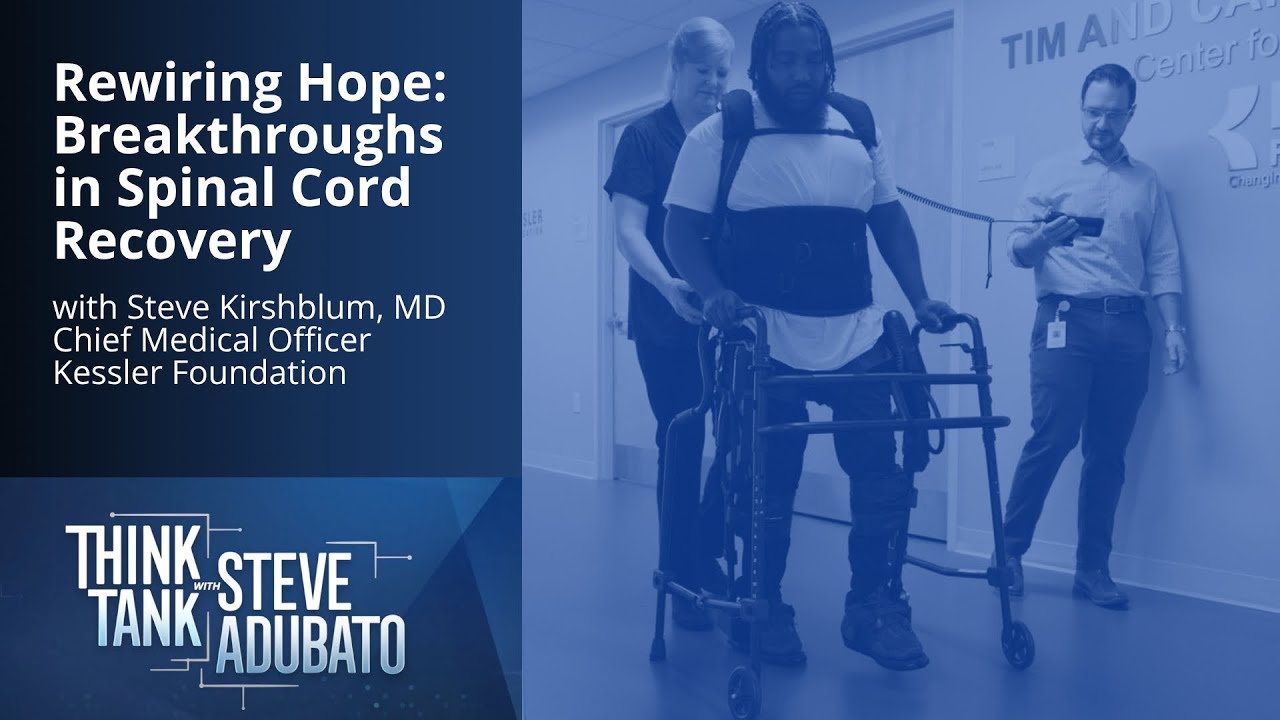
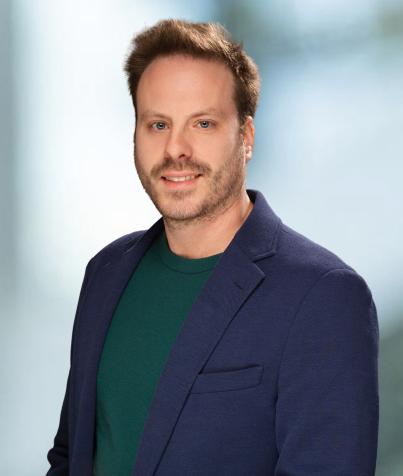
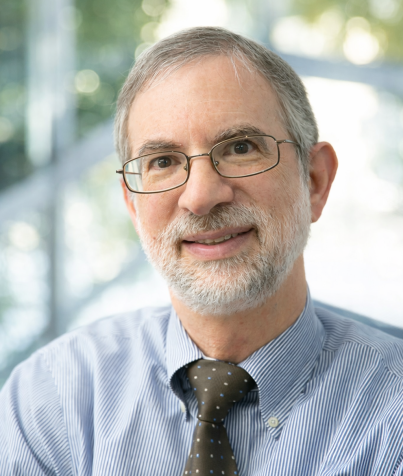
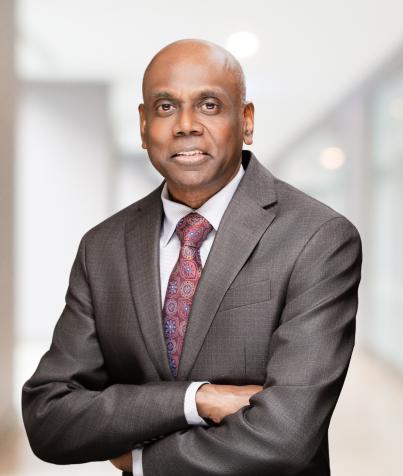
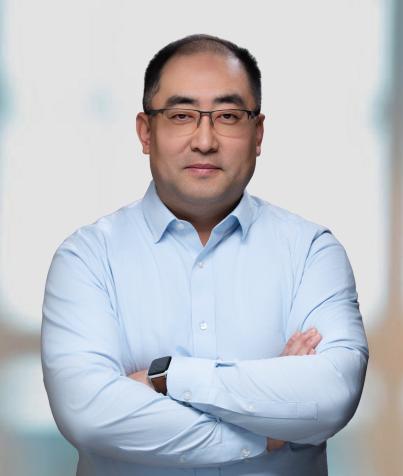
Our Scientists Studying Mobility




FAQs About Mobility Research and Rehabilitation
Mobility rehabilitation helps people improve their ability to stand, walk, maintain balance, and move safely after injury, illness, or neurological conditions. Kessler Foundation researchers develop and test innovative rehabilitation therapies, robotics, virtual reality, and neuromodulation to help people regain mobility, independence, and quality of life. Learn more about our Mobility Research.
Our scientists study new ways to improve walking, balance, movement, and motor recovery for people living with stroke, spinal cord injury, traumatic brain injury, multiple sclerosis, cerebral palsy, and other neurological conditions. Research includes robotic exoskeletons, virtual reality, wearable technology, spinal stimulation, and rehabilitation engineering. Learn more about our Center for Mobility and Rehabilitation Engineering Research and the Rehabilitation Engineering Research Center (RERC).
For many people, rehabilitation can improve walking, balance, and mobility after a neurological injury or condition. Kessler Foundation researchers develop and evaluate therapies that strengthen movement, improve function, and maximize independence. Many of these treatments are available through ongoing rehabilitation research studies.
Many conditions can affect walking, balance, and movement, including stroke, spinal cord injury, traumatic brain injury, multiple sclerosis, cerebral palsy, and age-related balance problems. Kessler Foundation develops evidence-based rehabilitation approaches that help people improve mobility across a wide range of neurological conditions.
Robotic exoskeletons provide assisted movement during rehabilitation to help people practice walking safely and repeatedly. Kessler Foundation researchers evaluate how these wearable devices improve gait, balance, strength, and everyday function in both children and adults. Learn more about our Center for Mobility and Rehabilitation Engineering Research.
Virtual reality creates realistic environments that allow researchers to safely study walking, balance, and movement challenges encountered during daily life. Kessler Foundation scientists use virtual reality alongside advanced technologies to develop more effective treatments for improving mobility and reducing fall risk.
Neuromodulation uses targeted electrical stimulation to improve communication between the brain, spinal cord, and muscles. Kessler Foundation researchers are studying spinal stimulation and other advanced therapies that may improve movement, walking, balance, and other functions after neurological injury. Learn more about the Tim and Caroline Reynolds Center for Spinal Stimulation and the Rehabilitation Engineering Research Center (RERC).
Kessler Foundation regularly recruits volunteers for mobility research studies. Depending on the study, participants may have stroke, spinal cord injury, multiple sclerosis, traumatic brain injury, cerebral palsy, or other conditions. Some studies can be completed from home, while others take place at Foundation locations in New Jersey. Visit our Join a Study page to view current opportunities or complete a volunteer form.
Rehabilitation can improve walking and balance by combining targeted exercises, advanced technologies, and evidence-based therapies that strengthen movement and reduce fall risk. Kessler Foundation researchers study robotics, virtual reality, neuromodulation, and other innovative approaches to help people with neurological conditions move more safely and independently.
