

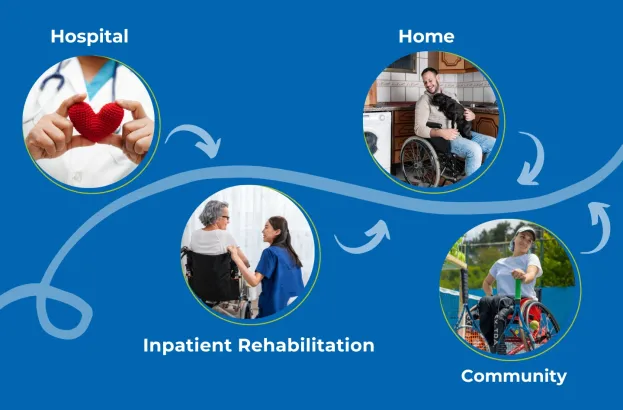
SCI Navigators work one-on-one with people living with SCI and their families, helping at every stage in their recovery journey, from hospital to home. Navigators guide patients and families through the complex healthcare system so they feel empowered to focus on their care and rehabilitation goals.
SCI Navigators are available to meet in person, over the phone, or on video conferencing. They can:
- Support and advocate during healthcare transitions
- Locate services, communicate with care providers, and coordinate appointments
- Recommend ways to improve accessibility in the home
- Guide families through insurance claims and benefits
- Provide educational materials and connections to community resources

SCI impacts families, not just the person injured. Navigators can provide education and supportive resources to families of people with SCI. Navigators educate families about living with paralysis, help address barriers to care, and advise on how family caregivers can take care of themselves while taking care of their loved ones.

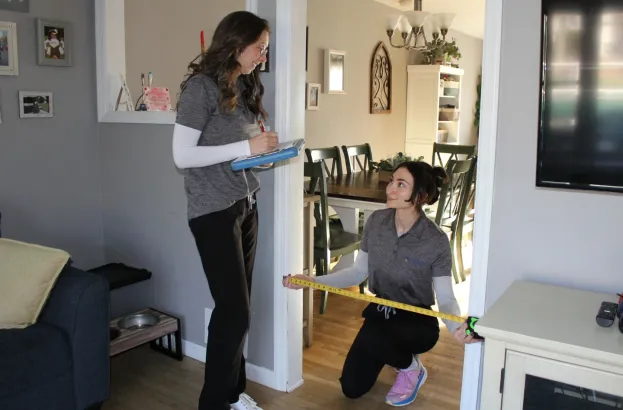
Navigators offer modification guidance to help people with SCI and their families adapt their homes for wheelchair accessibility. In New Jersey, trained occupational therapists can provide assessments on-site with personalized recommendations. People with SCI living in other states can receive virtual support by phone or through a telehealth platform to support safe, independent living.
Frequently Asked Questions: SCI Navigator Program
An SCI Navigator is a professional who provides education and supportive resources to individuals with SCI and their families as they transition across the rehabilitative continuum of care. SCI Navigators offer guidance on navigating the healthcare system, support for returning home after hospitalization, advice on home accessibility, and connections to SCI community resources.
The team consists of a diverse group of professionals, including social workers, occupational therapists, clinical psychologists, counselors, and people with lived experience of SCI.
The SCI Navigator Program is unique as it serves both individuals with SCI and their families. Our interdisciplinary team of experienced clinicians and peers living with SCI offers unique insights. Our holistic approach provides ongoing support and guidance—from transitioning home and adjusting to daily life to reintegrating into the community.
Eligibility includes people with SCI aged 18 or older who are recently hospitalized or living in the community. The program supports both the person injured and their families through all stages of the SCI journey, from new to chronic injury.
While the SCI Navigator team brings experience in social work and case management, they provide support in distinct ways. Unlike case managers, who coordinate directly with care teams and health insurance providers until discharge, Navigators do not access medical records or communicate with insurance companies. And while case management services end after hospital discharge, Navigators provide support beyond discharge.
Enrolling in the program provides access to a dedicated resource person—an SCI Navigator—and support throughout all stages of SCI care through tailored resources based on individual needs. All information shared with Navigators is kept private and confidential.
The program is a free service designed to support individuals with SCI and their families and does not bill health insurance or individuals.
The team is available to schedule a meeting to provide more information about the program. Navigation services begin once you complete enrollment and intake forms.
Navigators are available to connect with individuals living in the U.S. through phone or video conference. In-person and home visits within New Jersey are also offered to address specific needs. The team works with each participant to find the best way to stay in touch, tailored to their preferences, needs, and location.
The frequency of meetings is based on specific needs, challenges, and goals; however, Navigators will check in at least once per month. Participants may stop using the program at any time.
Navigators do not provide medical treatment, medical advice, or recommendations for specific medical providers. However, they can support transitions between providers, help coordinate appointments, address healthcare barriers, locate necessary services, and facilitate communication with healthcare professionals.
It depends. The team serves a variety of spinal cord injury and disease diagnoses, including traumatic, non-traumatic, complete, and incomplete cases. For other conditions resulting in paralysis, the team reviews each case individually to make sure the program aligns with individual needs.
Yes, the SCI Navigator Program is a free service and does not restrict participation with any clinical research program, government agency assistance, or privately-run service. Navigators can make connections to Kessler Foundation research opportunities if that is of interest.
Yes! While the program is based in New Jersey, there are no geographic restrictions for participation in the SCI Navigator Program within the U.S.—except for home visits. The team can connect with out-of-state clients through an online telehealth platform or by phone.
Contact the SCI Navigator team by email at [email protected].
SCI Navigator Team