
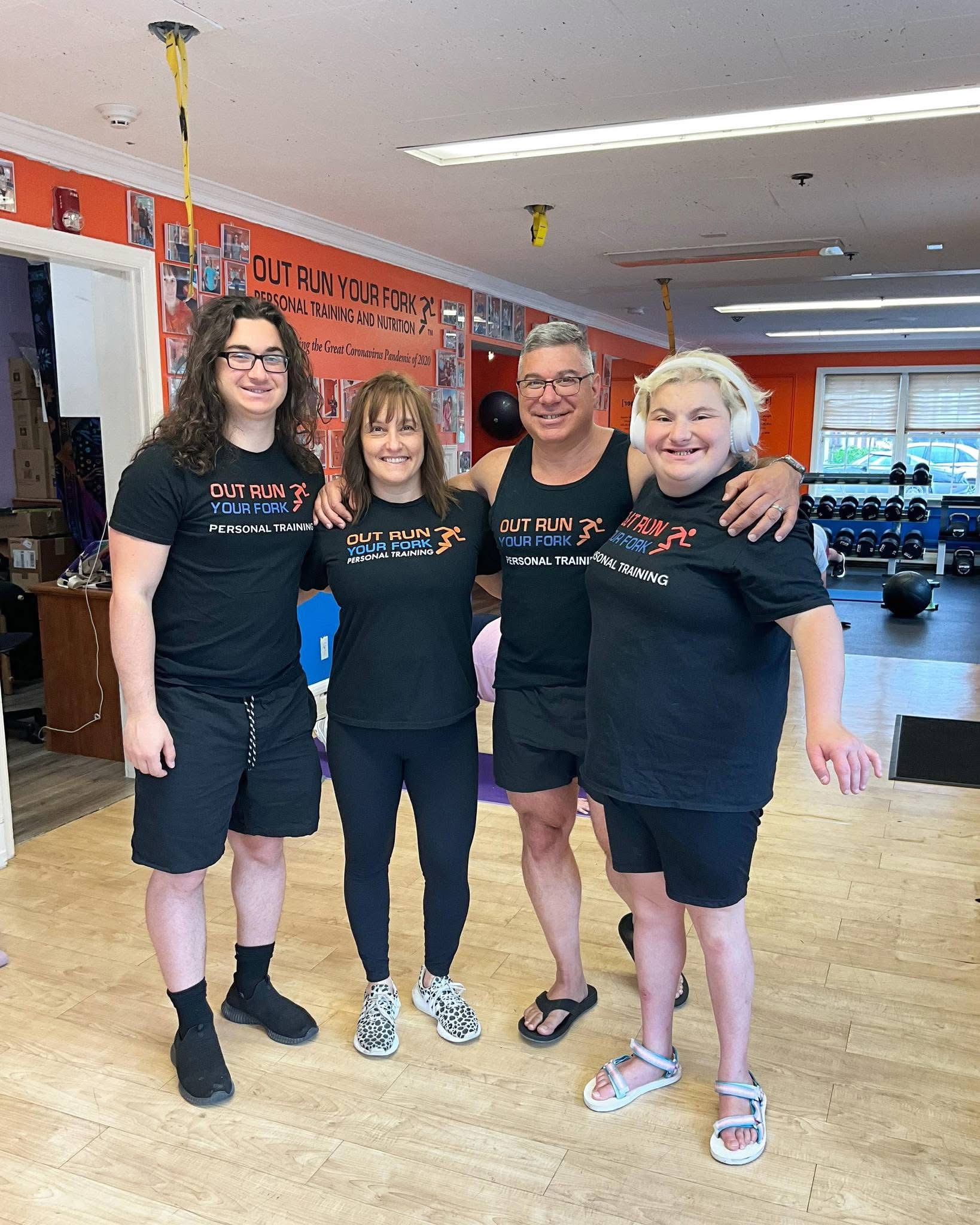
Inspired by their daughter Kira and her journey on the autism spectrum, Melissa and Tony Bianchino are dedicated members of the Center for Autism Research’s Community Advisory Board. They see it as a vital bridge between the research community and families, driving impactful change.
Programs to address the learning, communication, and behavioral differences among people on the autism spectrum traditionally have focused on their deficits, the skills they lack. Thanks to the generosity of our donors, researchers have developed a groundbreaking intervention that instead targets the strengths and abilities of neurodiverse adolescents and young adults. This is particularly significant for those seeking employment. Studies have shown that neurodiverse individuals face greater difficulty finding and maintaining employment, leading to frustration, reduced motivation, and a sense of failure.
Going to the plus side
To combat this negative cycle, Helen M. Genova, PhD, associate director, Center for Autism Research, developed Kessler Foundation Strength Identification
and Expression, KF-Stride®, an innovative, positive-psychology approach that helps identify and build on individuals’ unique skills and talents and provides training to perform well in job interviews and the workplace. “Preliminary findings have shown KF-Stride to be effective in preparing transition-age autistic youth for work opportunities. Study participants learned to recognize their strengths and convey them appropriately in an interview setting. They also demonstrated greater confidence and self-awareness,” explains Dr. Genova.
KF-Stride was developed with input from the autism community, including Melissa and Tony Bianchino. "The collaboration with Dr. Genova and her team is invaluable, ensuring that research is informed by lived experiences and diverse perspectives,” Melissa shares.
Melissa and Tony are tireless advocates not only for their daughter but also for the entire community. “So many have immense talent and a strong desire to do more, yet haven’t been given the opportunity. This research makes that possible, and we are so proud to be a part of it.”
