
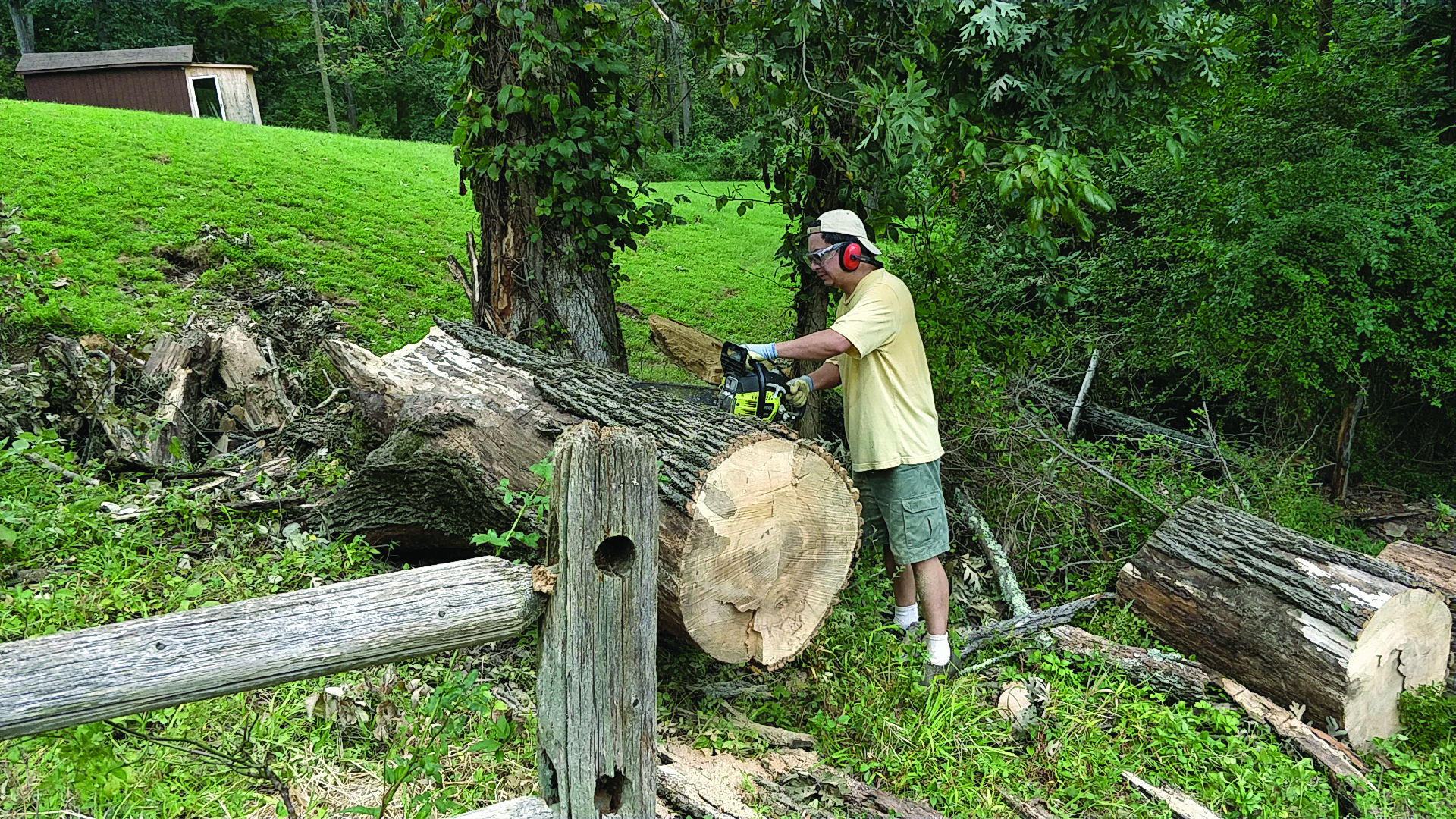
“Participating in Kessler Foundation research has given me a new purpose in life,” says Norman Lim, who sustained a traumatic brain injury in a car accident 10 years ago. “After my injury, I struggled with physical, cognitive, and emotional challenges, but I was inspired to do something meaningful…something that could help others.” Since then, Norman has participated in 15 Kessler Foundation studies, including a sleep study led by Anthony Lequerica, PhD, senior research scientist in the Center for Traumatic Brain Injury Research.
Sleep is essential to our physical, emotional, and cognitive health. Numerous studies have shown that, among its many benefits, sleep, including daytime naps, facilitates learning in neurologically intact individuals. However, the impact of sleep on learning among people with a traumatic brain injury has rarely been studied. The findings may change how and when therapies are delivered in the rehabilitation setting. Dr. Lequerica hypothesized that periods of rest would enhance the ability of people with TBI to intake, retain, and recall new information. “Using various tools and technologies, we were able to measure how well individuals with TBI learned a new task and determine which areas of the brain were activated during the process,” notes Dr. Lequerica.
Study participants were placed in the MRI scanner at the Rocco Ortenzio Neuroimaging Center and asked to perform a new motor sequence learning exercise: a series of 30-second finger taps in a designated pattern, each followed by a 30-second rest. Participants who were assigned to the “wake” group then watched a 45-minute documentary about outer space, while members of the “sleep” group took a nap in a dark, cozy room. When retested, the wake group showed little to no change, whereas the sleep group significantly improved performance and demonstrated greater neural efficiency, meaning less brain energy was used to complete the task.
“The implications of this pilot study are tremendous,” says Dr. Lequerica. “Although further investigation is needed to understand the best way to incorporate this into practice, these findings suggest that allowing for nap time after intensive physical or occupational therapy sessions may lead to greater improvement in motor skills and independence in people with TBI. And it’s the support of Kessler Foundation donors who make these advancements possible.”
A former IT analyst and self-described “gearhead,” Norman is also grateful to the donors who make these studies possible. “I am so appreciative of the opportunity to contribute to the science of rehabilitation. Please know that every gift makes a difference. Thank you for your support,” he concludes.
