
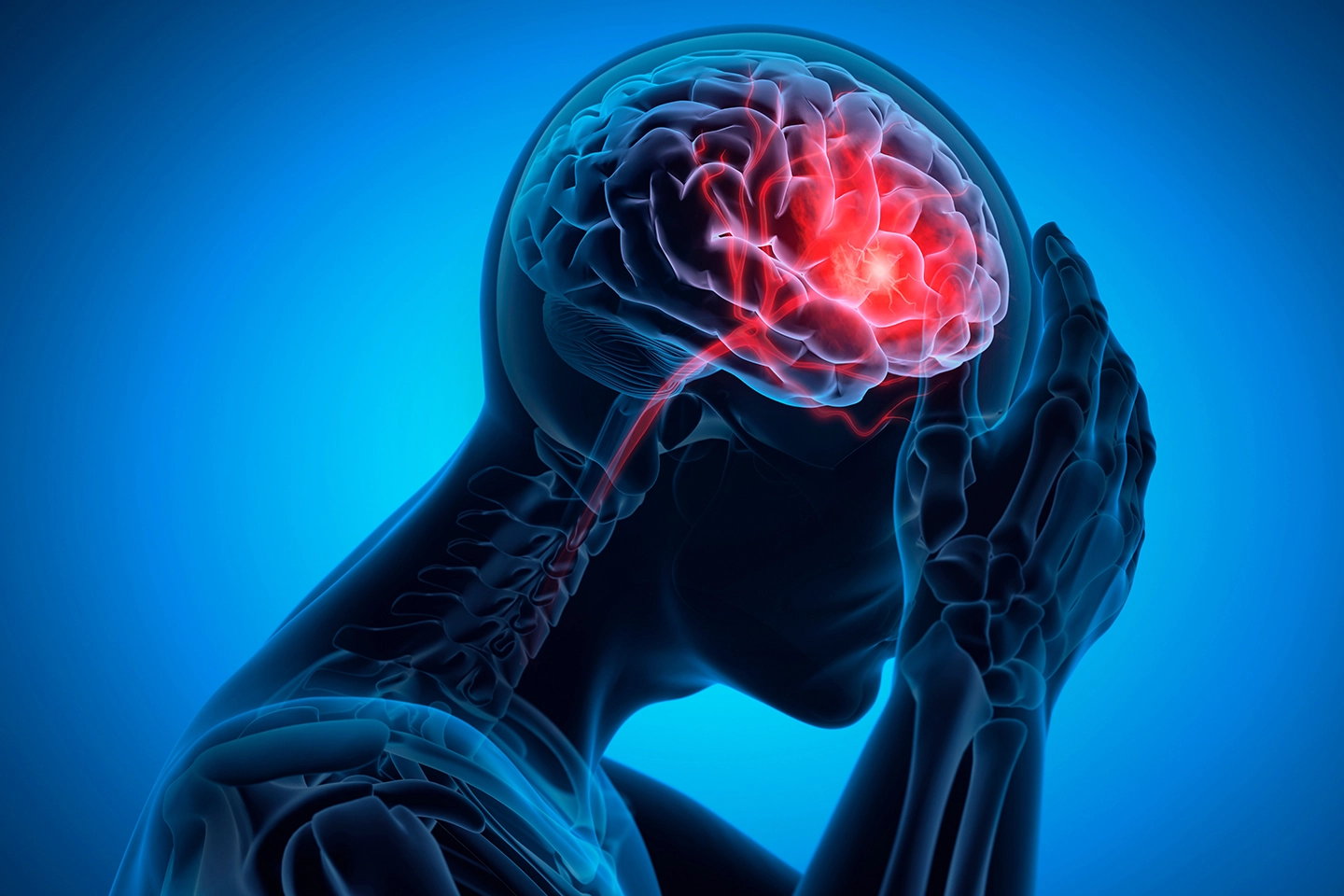
A stroke occurs when a blood vessel that carries oxygen and nutrients to the brain is either blocked by a clot or bursts (or ruptures). Stroke affects different people differently depending on where the injury is in the brain and what neural network is impaired. Spatial neglect results from a brain injury that impairs the neural networks of spatial attention and related motor and cognitive functions.
Put simply, after a stroke their left limbs may be more affected than their right, leading to a tendency to overlook, or “neglect,” the left side of their surroundings.
Oftentimes, they lack full awareness of their more-affected side and do not consciously neglect that spatial orientation.
It is usually ineffective to ask a person with left-sided spatial neglect to look to the left because the lateral or horizontal range of their perceived world has been reduced, especially on the left side.
This is related to the distribution of the attention networks in the brain, which are asymmetrically larger and more connected in the right hemisphere.
This results in diminished awareness of the left limbs and surroundings compared to the right.
Consequently, they face an increased risk of falls and tend to show less favorable outcomes in rehabilitation compared to individuals without this condition.
They don't use their more affected arm or leg, even after those limbs have regained strength and mobility.
This may hamper their ability to manage their own care and pose challenges in therapy participation, engagement, learning compensatory strategies. It could also delay seeking appropriate treatment.
Identify possible safety issues in your home environment. They may bump into objects or furniture or knock off hot beverages from their tray on their neglected side.
Try not to tell them to “look left." Their concept of “left” is different now. Incorporate alternative ways to remind them to pay attention to their neglected side. Encourage visitors to sit on their left when talking to them. Arrange the environment to provide stimulation, such as placing the television, a family photo, or a vase of flowers on their affected side. However, place things that cannot be missed (e.g., reading glasses, call buttons, emergency information) in their non-neglected side of space.
Reduce environmental distractions, such as background noise and extra people, before attempting to help them with important tasks.
Recognize that symptoms may become worse when they are fatigued. Encourage key activities when they are most alert.
Offer assistance with important tasks they were initially responsible for since difficulty reading left-sided material (neglect dyslexia) may lead to embarrassing errors in financial, academic, or other detail-oriented work.
Family members concerned for people with disabilities or chronic illnesses often take on the roles of “caregivers” despite lacking professional training or compensation. These family caregivers can be spouses, relatives, cohabitating partners, or friends who often provide constant assistance, support, and supervision.
Research conducted by Center scientists has revealed that family caregivers of stroke survivors with spatial neglect experience higher levels of stress and burden compared to caregivers of stroke survivors without spatial neglect.
Family caregivers play a crucial role in stroke rehabilitation. They assist both stroke survivors and themselves in managing recovery expectations and alleviating negative emotions associated with adjusting to the "new normal" in their shared lives.

Providing care can be emotionally draining, leading to exhaustion, frustration, and worry. It's common to lose sleep due to nerves, sadness, and grief, and caregivers may even experience depression. It is important to acknowledge your own feelings.
Remember, you can be a more effective caregiver when you're also taking good care of yourself.
During the stroke recovery and rehabilitation journey, it's essential to seek help and support when needed.
Many try to stay strong to protect the survivor, but it is important to acknowledge your own feelings.
If you find yourself facing "caregiver burnout," characterized by feeling overwhelmed, consider the following steps from the American Stroke Association:
- Acknowledge your feelings
- Recognize and commend yourself for your caring dedication
- When you feel clear-headed, assess your situation for possible improvements. This might involve seeking outside help for respite, participating in social events to maintain a life beyond caregiving, and joining support groups that offer advice on common caregiver challenges
- Seek resources that offer coping strategies to help you regroup. Explore support groups and rehabilitation programs focused on spatial neglect to aid your loved one's recovery
