
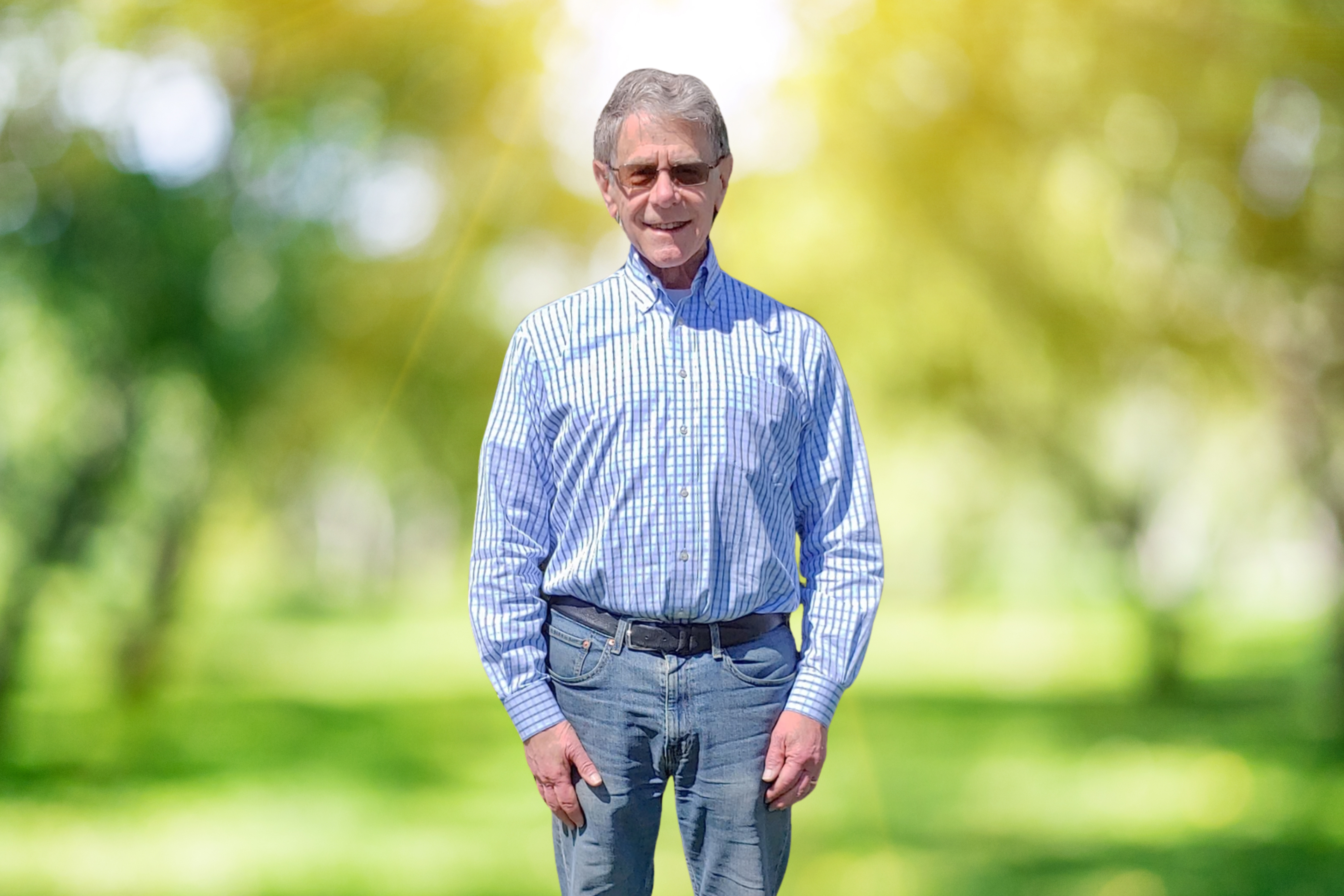
Participating in Kessler Foundation modified Story Memory Technique (KF-mSMT®) study was a meaningful experience for attorney and world traveler Mark Jay. “As I get older, I know my physical and cognitive strengths will decline. But I was curious to learn how the aging brain functions, and what it means for me going forward.”
Aging is inevitable. But how we age is far less predictable. Certainly, having “good” genes helps. Apart from that, the medical community suggests a healthy lifestyle may be beneficial. This includes a well-balanced diet, exercise, social activity, and minimizing stress, smoking, and alcohol use—all of which can be controlled. Less so are injuries and illnesses that may adversely impact physical and cognitive functioning over time.
“As difficult as it may be for aging adults to stay physically strong, their greatest fear is declining mental acuity. Memory loss and dementia are frightening and often lead to a range of other challenges for the individual and their family or caregivers,” notes Nancy Chiaravalloti, PhD, director of the Centers for Neuropsychology and Neuroscience Research and Traumatic Brain Injury Research at Kessler Foundation. “Thanks to the generosity of our donors, we are investigating a pioneering protocol to help otherwise healthy adults stay cognitively intact for as long as possible.” Kessler Foundation modified Story Memory Technique uses context and imagery to reinforce learning and recall.
Over ten biweekly sessions, Mark and other study participants aged 60 and older are taught to visualize verbal information, incorporate unrelated material into a meaningful context, and apply these strategies to memory demands in everyday life. This protocol was previously shown to improve cognitive performance in individuals with multiple sclerosis and traumatic brain injury. Dr. Chiaravalloti explains, “In this new five-year study, we are building on the science of cognitive training. Our objective is to examine the short- and long-term impact of KF-mSMT on learning and memory abilities, daily function, and overall quality of life in older adults. Early findings are encouraging, and with further research, we may be able to learn how we can change the dynamics of aging.”
Mark was gratified, although admittedly a bit frustrated, by his personal performance on certain aspects of this memory protocol. Yet he readily acknowledges what a unique opportunity this was. “By using these visualization techniques during trips where I was well outside my comfort zone, I retained more from each experience and came home bigger than when I left,” Mark notes.
“Thanks to donors like you, people like me can contribute to a growing body of knowledge, collective knowledge, that will surely impact the science and understanding of healthy aging.”
