
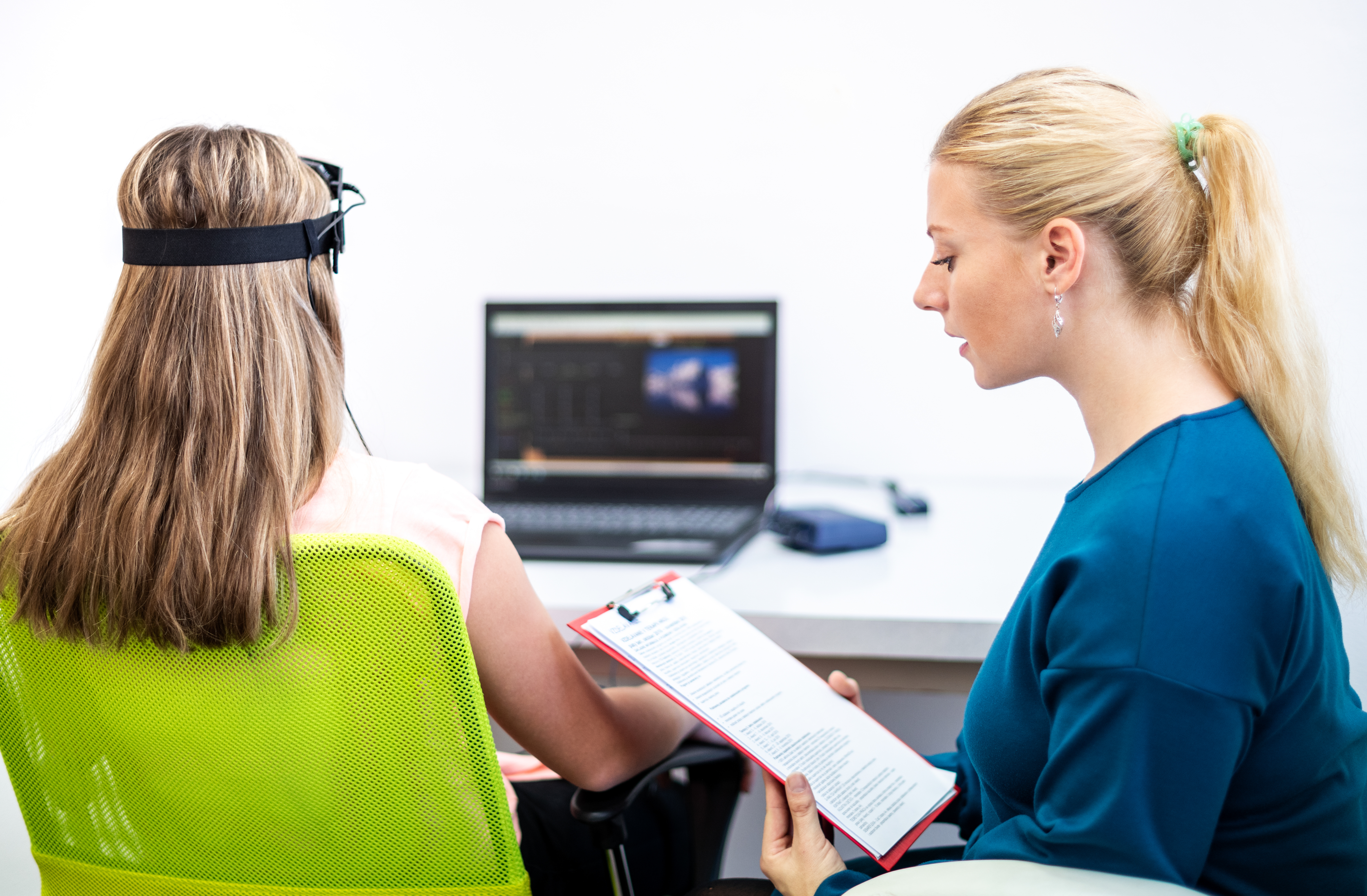
Traumatic brain injury can lead to long-lasting difficulties in a person’s ability to think, learn, and remember. At Kessler Foundation, we’re pioneering innovative treatments that target these challenges, helping individuals regain cognitive function and reclaim their independence.
Traumatic brain injury can significantly impair walking and motor function. At Kessler Foundation, we are leading research and rehabilitation efforts to tackle these challenges. By exploring robotic gait and balance therapies, virtual reality, and cognitive-integrated movement training, we aim to improve walking, balance, and independence in daily life.
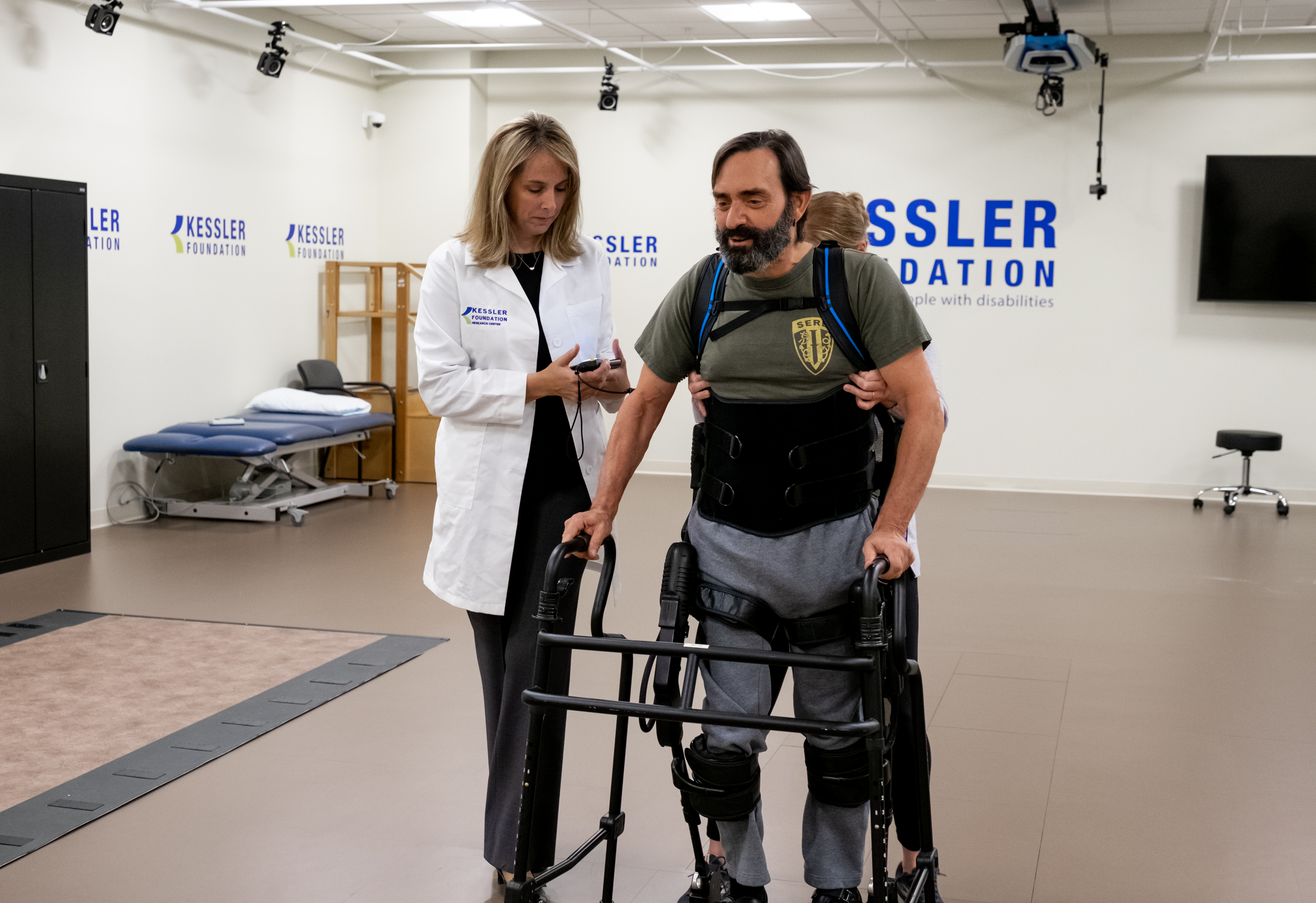
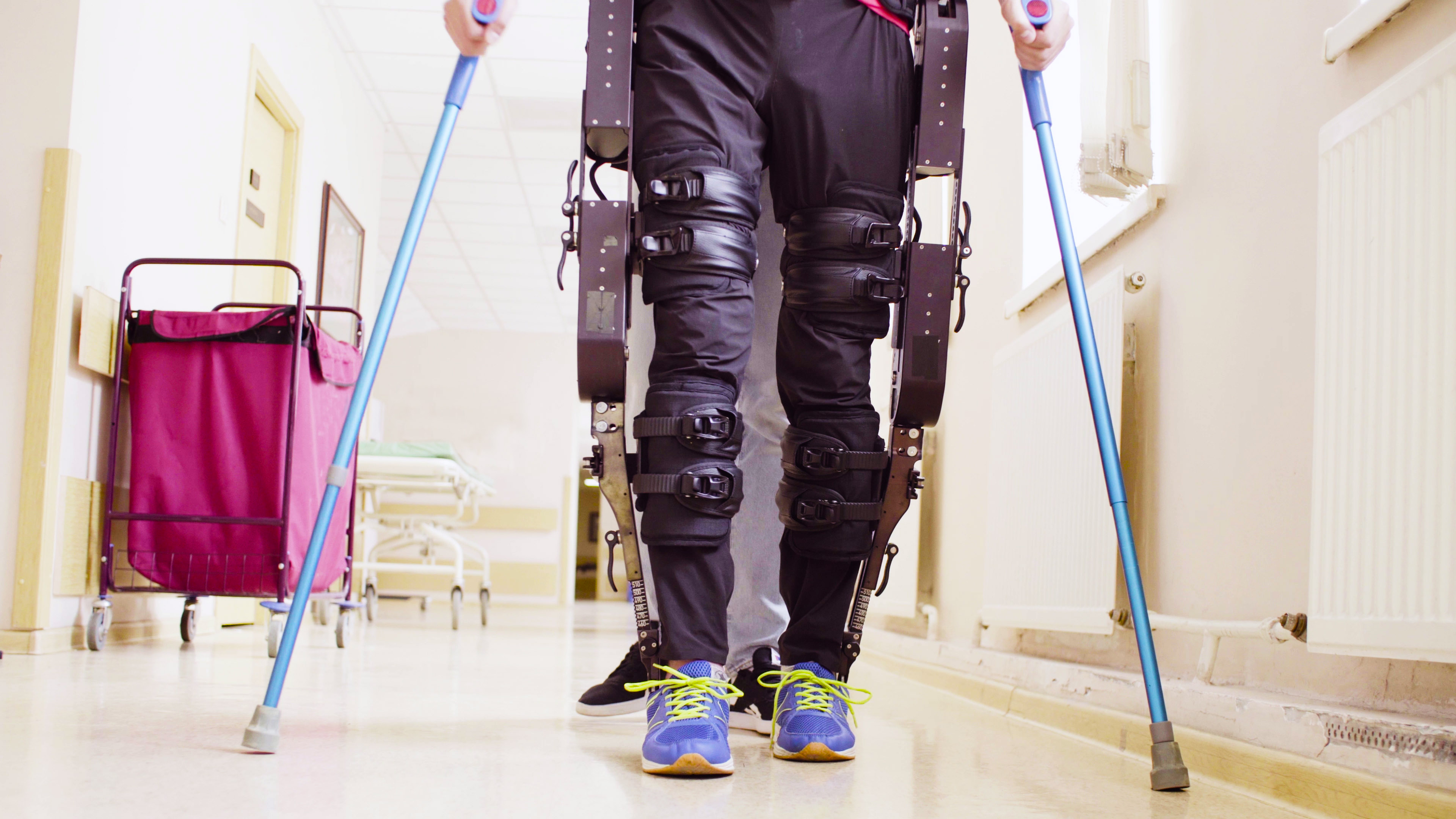
Kessler Foundation researcher Karen J. Nolan, PhD, is pioneering the use of robotic exoskeletons to restore walking and motor function after TBI. These cutting-edge devices help improve quality of life and restore independence.
Researchers developed KF-mSMT®, a drug-free, computer-based protocol that uses context and imagery to improve memory in TBI. Studies show significant gains. Created by Nancy Chiaravalloti, PhD, KF-mSMT is available in English and Spanish.
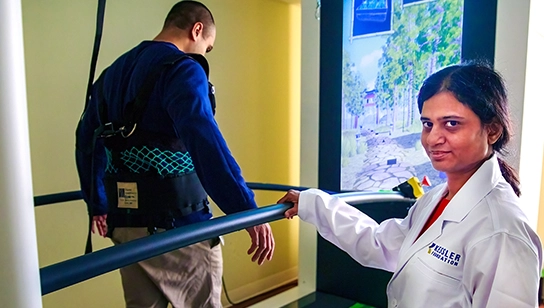
Kessler Foundation researcher Kiran Karunakaran, PhD, investigates advanced treadmills equipped with augmented reality to combine cognitive and motor training. This innovative approach enhances walking and balance for people recovering from TBI.
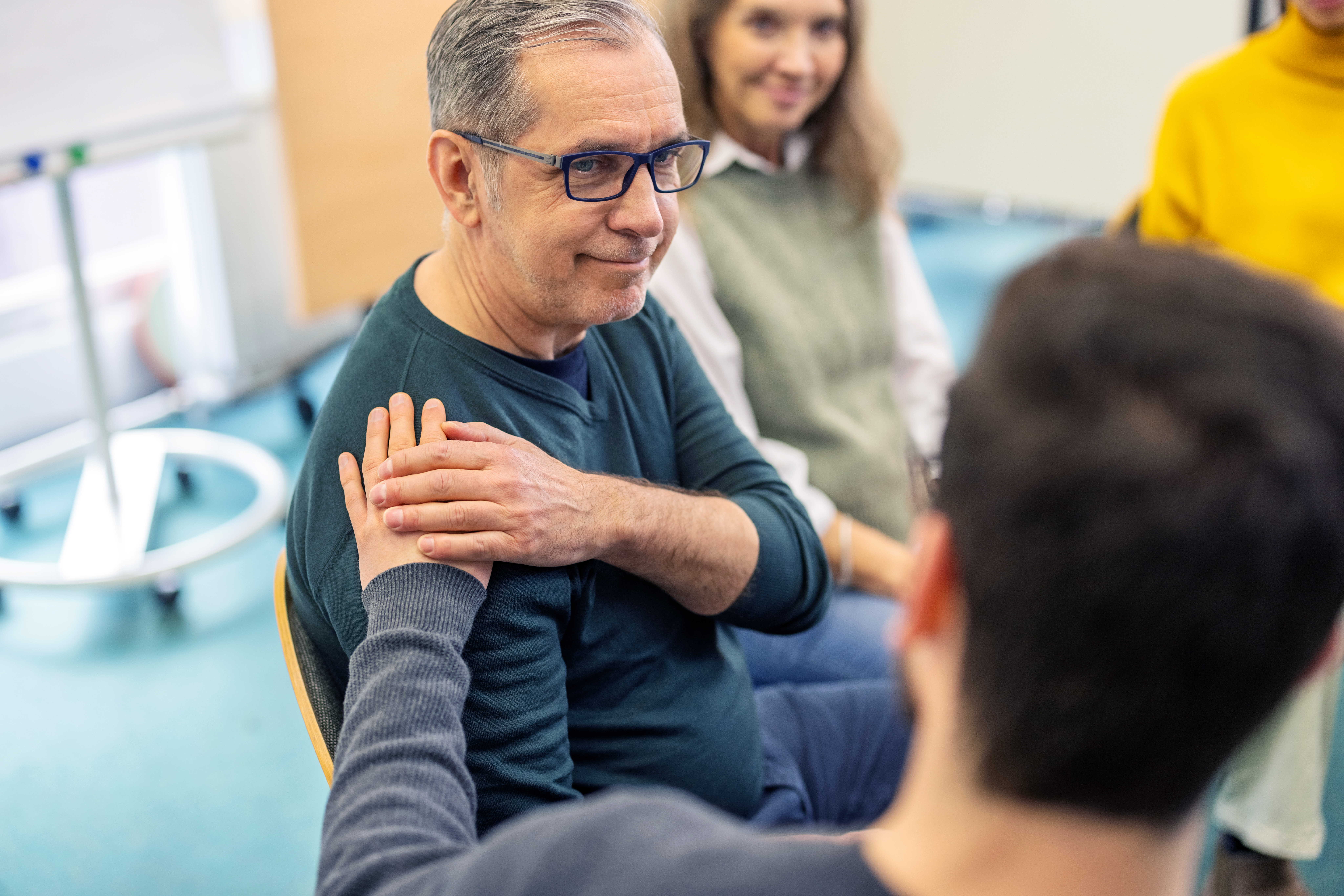
TBI is a leading cause of long-term disability and caregiver stress. Kessler Foundation researcher Denise Krch, PhD, is testing a group-based wellness program that teaches coping and self-management skills to both TBI survivors and their caregivers.
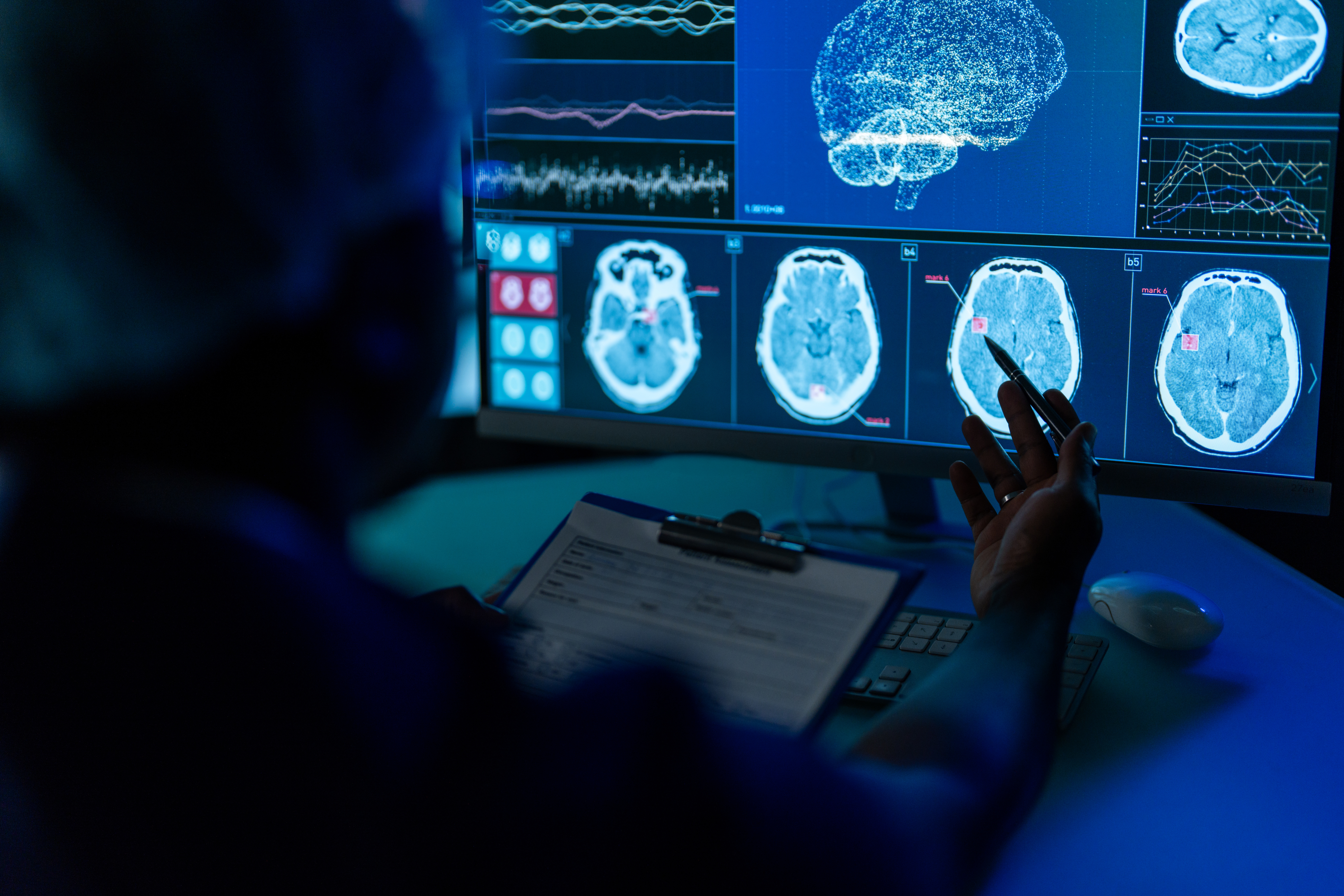
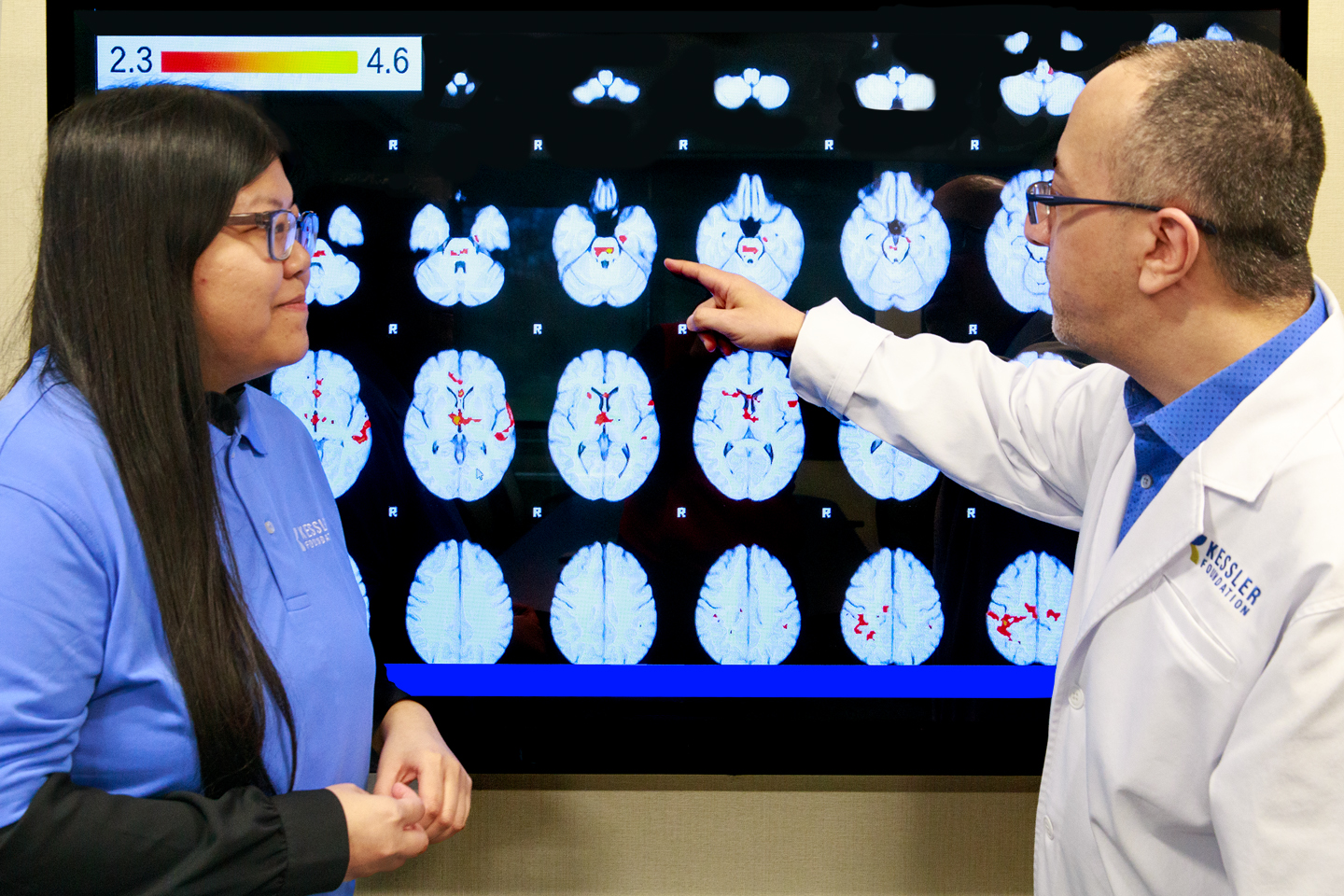
Individuals with TBI often report a lack of mental energy, called cognitive fatigue, that interferes with their ability to perform daily activities. Researcher Glenn Wylie, DPhil, and team use neuroimaging to learn about the underlying mechanisms of cognitive fatigue in TBI.
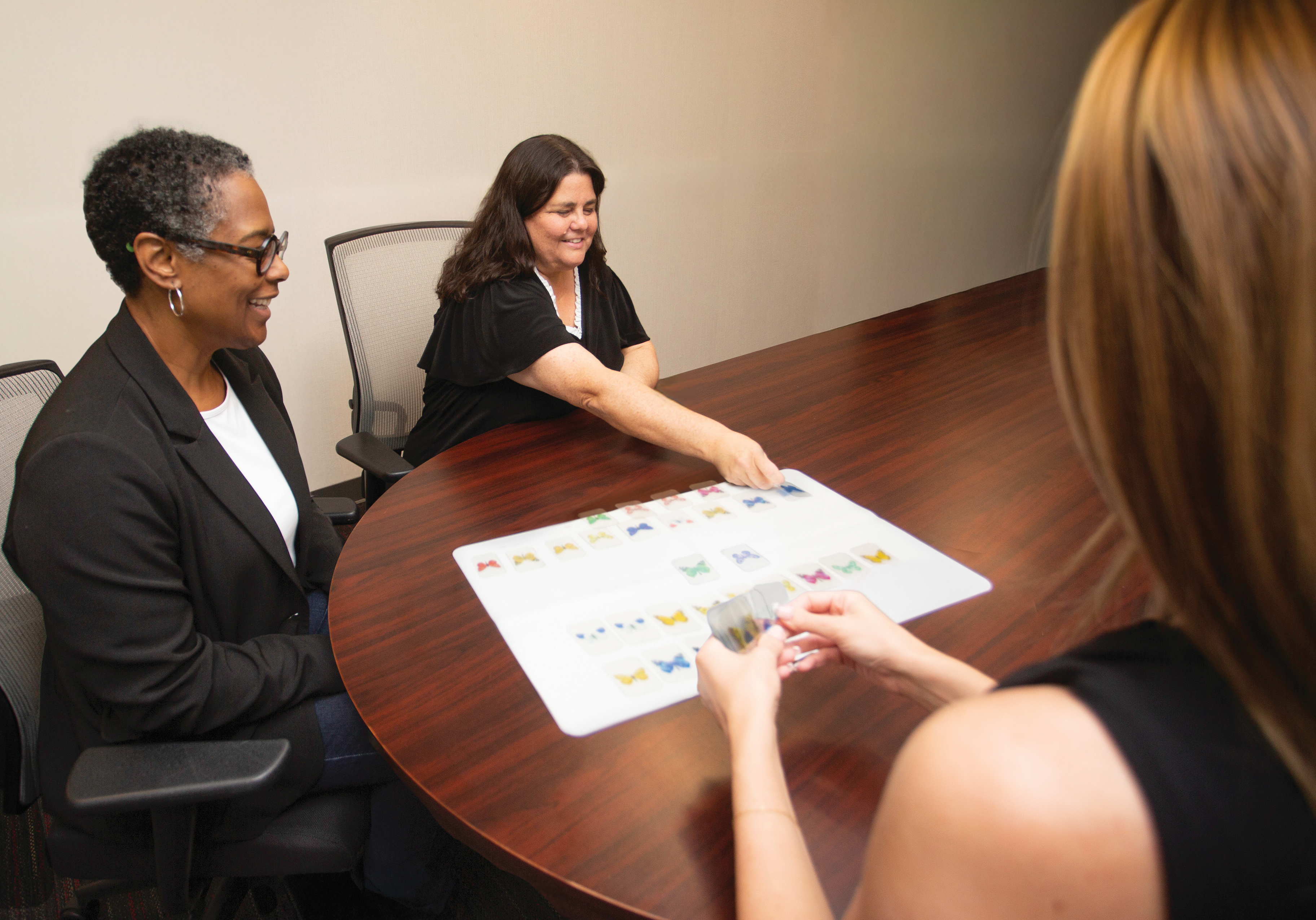
Inspired by the KF-mSMT protocol, Aubree Alexander, PhD, created a companion intervention called KF-PUPIL™, Play, Understand, Partner, Interact, and Learn, for use at home. KF-PUPIL™ (features an educational component for family caregivers and a tabletop game designed to promote the use of cognitive strategies.
The Northern New Jersey Traumatic Brain Injury System, led by Nancy Chiaravalloti, PhD, helps individuals and families adjust to life after TBI. Its research and clinical care provide insights, data, and answers that improve outcomes.
Read or listen to Brainwaves, the traumatic brain injury research newsletter from Kessler Foundation and the Northern New Jersey Traumatic Brain Injury System. Here you will find insight, information, and resources to help individuals living with brain injury, their families, and caregivers.
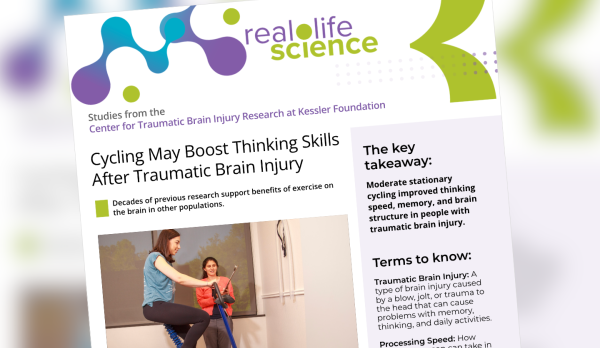
Applying Exercise to Improve Memory in Traumatic Brain Injury
This study compares the effects of two, 12-week exercise programs (aerobic cycling or stretching-and-toning) combined with memory retraining on cognitive (thinking) performance in people with traumatic brain injury.
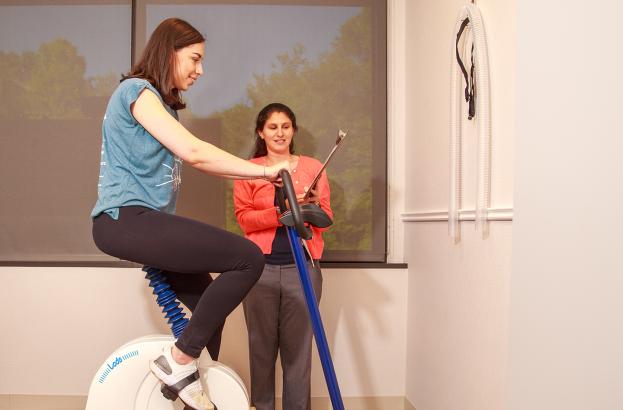
Life After TBI: Survivor Stories and Research
Your gift powers research that helps people with traumatic brain injury relearn to walk, think, and connect. Support breakthroughs that restore function and rebuild lives.
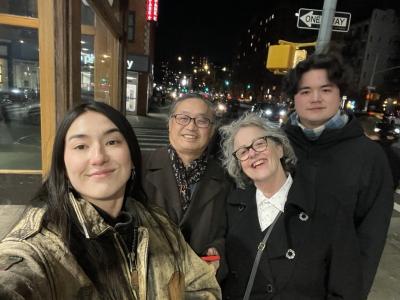
Jessica Huff, Seen for Who I Am
Jessica Huff shares how research participation helped her navigate life after traumatic brain injury, build new strategies, and continue moving forward with hope...
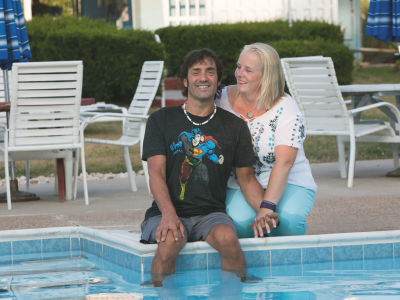
Bill Pastras, Why Research Matters to Me After My Stroke and TBI
In 2017, my life changed in an instant. While driving on the New Jersey Turnpike, I suddenly felt weak and lost control of my car...
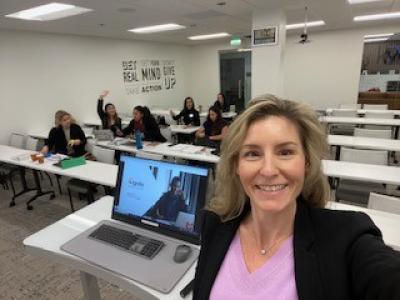
Angela Pennella, It's Never Too Late to Learn After TBI
Angela Pennella was on her way home when a driver crossed into her lane and struck her car head-on. She sustained extensive injuries, including a traumatic brain injury...
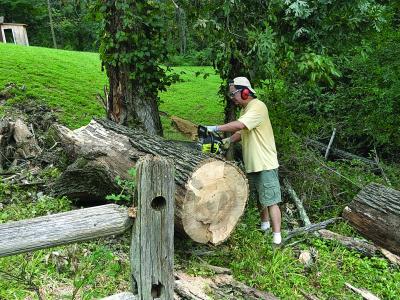
Norman Lim, Tapping Into Napping After TBI
“Participating in research has given me a new purpose in life,” says Norman Lim, who sustained a TBI a decade ago...

Our scientists have collected essential facts and resources to assist individuals with traumatic brain injury and their caregivers, helping them to live well with the condition.
Our TBI Scientists in Action
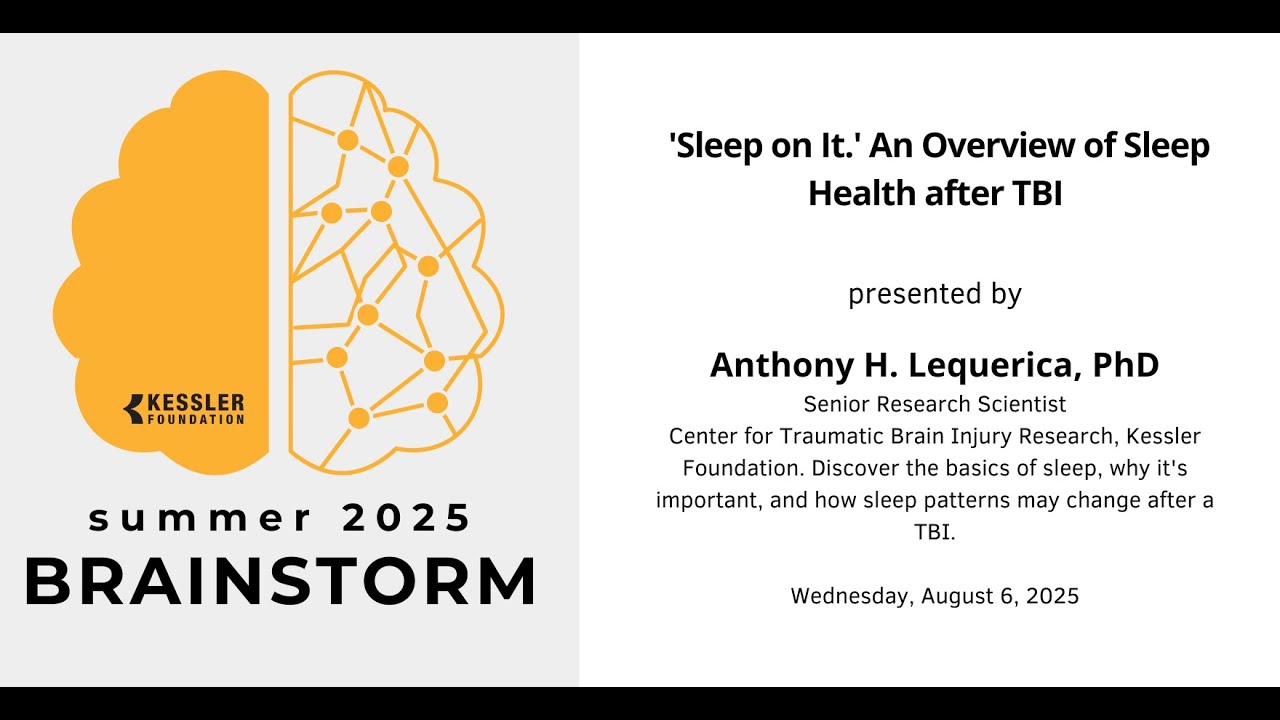
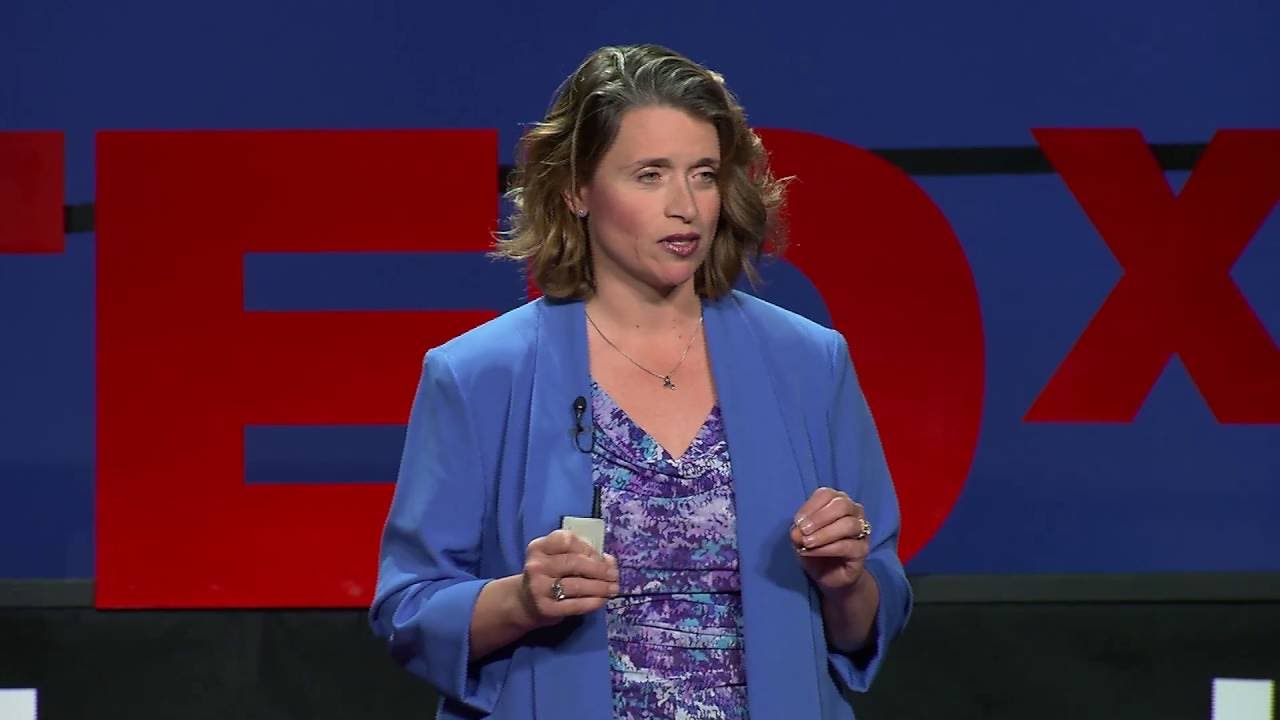
Our Scientists Studying Traumatic Brain Injury

FAQs for Traumatic Brain Injury Research and Recovery
Traumatic brain injury, or TBI, is an injury to the brain caused by an external force, such as a fall, motor vehicle crash, sports injury, or blast. TBI can range from mild to severe and may affect thinking, memory, movement, communication, emotions, and daily life.
TBI can make it harder to focus, learn, remember, plan, and solve problems. Kessler Foundation researchers study cognitive rehabilitation to improve thinking skills and everyday function. Learn more on our Cognition page.
Kessler Foundation researchers study memory, attention, mobility, emotional health, fatigue, daily function, quality of life, and caregiver support after TBI. Visit our Traumatic Brain Injury page to learn more.
Cognitive rehabilitation is a structured approach to helping people with TBI improve, rebuild, or compensate for changes in thinking skills. Therapy may focus on attention, memory, problem-solving, planning, organization, and strategies that support daily life.
Rehabilitation can help people improve skills needed for everyday life after TBI. Kessler Foundation studies treatments that support thinking, movement, balance, and independence. Learn more on our Traumatic Brain Injury page.
Yes. Recovery after traumatic brain injury can continue for months or even years. Kessler Foundation researchers study rehabilitation approaches that help improve thinking, mobility, daily function, and quality of life long after the initial injury. Learn more about our Center for Traumatic Brain Injury Research.
Yes. TBI can affect walking, balance, coordination, strength, endurance, and safe mobility. Kessler Foundation researchers study rehabilitation approaches that combine movement training, cognitive challenges, robotics, virtual reality, and other technologies to improve mobility and independence. Learn more on our Mobility page.
Many people with TBI experience cognitive fatigue, which can make thinking, concentrating, working, studying, and social activities more difficult. Kessler Foundation researchers use brain imaging and other tools to better understand cognitive fatigue and develop new rehabilitation strategies.
TBI can affect the whole family. Caregivers often help with appointments, routines, memory strategies, mood changes, and daily planning. Kessler Foundation researchers study caregiver experiences and publish easy-to-understand research summaries for people with TBI and their families.
People with TBI, caregivers, family members, and people without TBI may be eligible to volunteer as a participant, depending on the study. Visit our Join a Study page to explore current research opportunities.
Kessler Foundation offers evidence-based information about TBI recovery, daily living, work, caregiver support, and community life. Visit our Community Resources page.
