
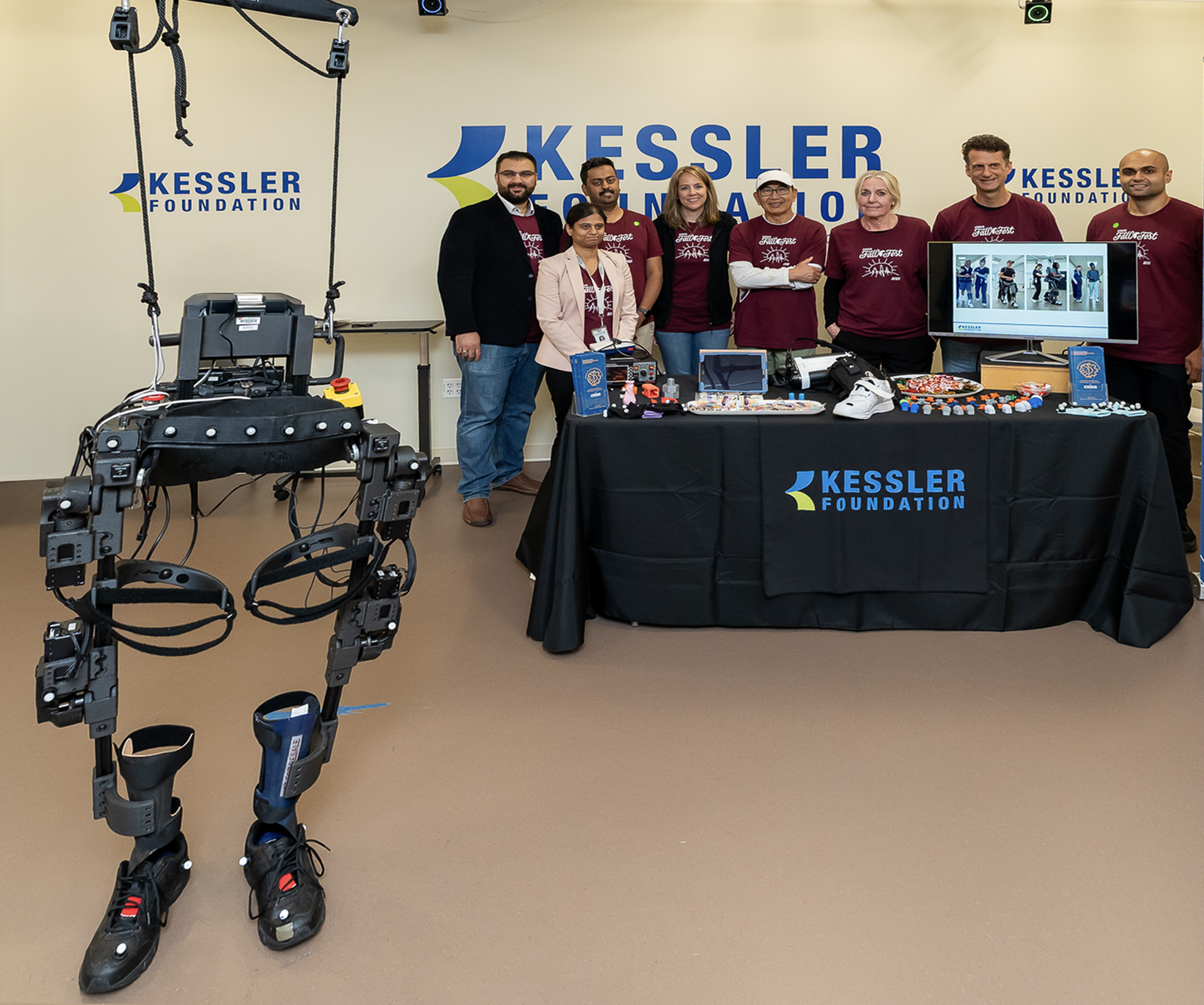
RERC Scientists Advance New Approaches for Neurological Recovery
Through coordinated advances in robotics, computational modeling, and neuromodulation, scientists in the RERC are advancing next-generation rehabilitation technologies. This federally funded program targets people who have experienced stroke, spinal cord injury, and multiple sclerosis.

Our scientists are pioneering an integrated approach that combines rehabilitation robotics, neuromodulation technologies, and emerging machine-learning software to strengthen communication between the brain, spinal cord, and muscles.
Integrating Technology for Functional Recovery
By unlocking new levels of ambulation and functional freedom, our RERC research aims to help clinicians translate engineering advances into practical therapies that improve patient outcomes and enhance quality of life.
RERC research studies how robotics, brain stimulation, and user feedback can work together to improve walking, balance, and mobility after neurological injury while helping tailor rehabilitation technologies to individual patient needs.
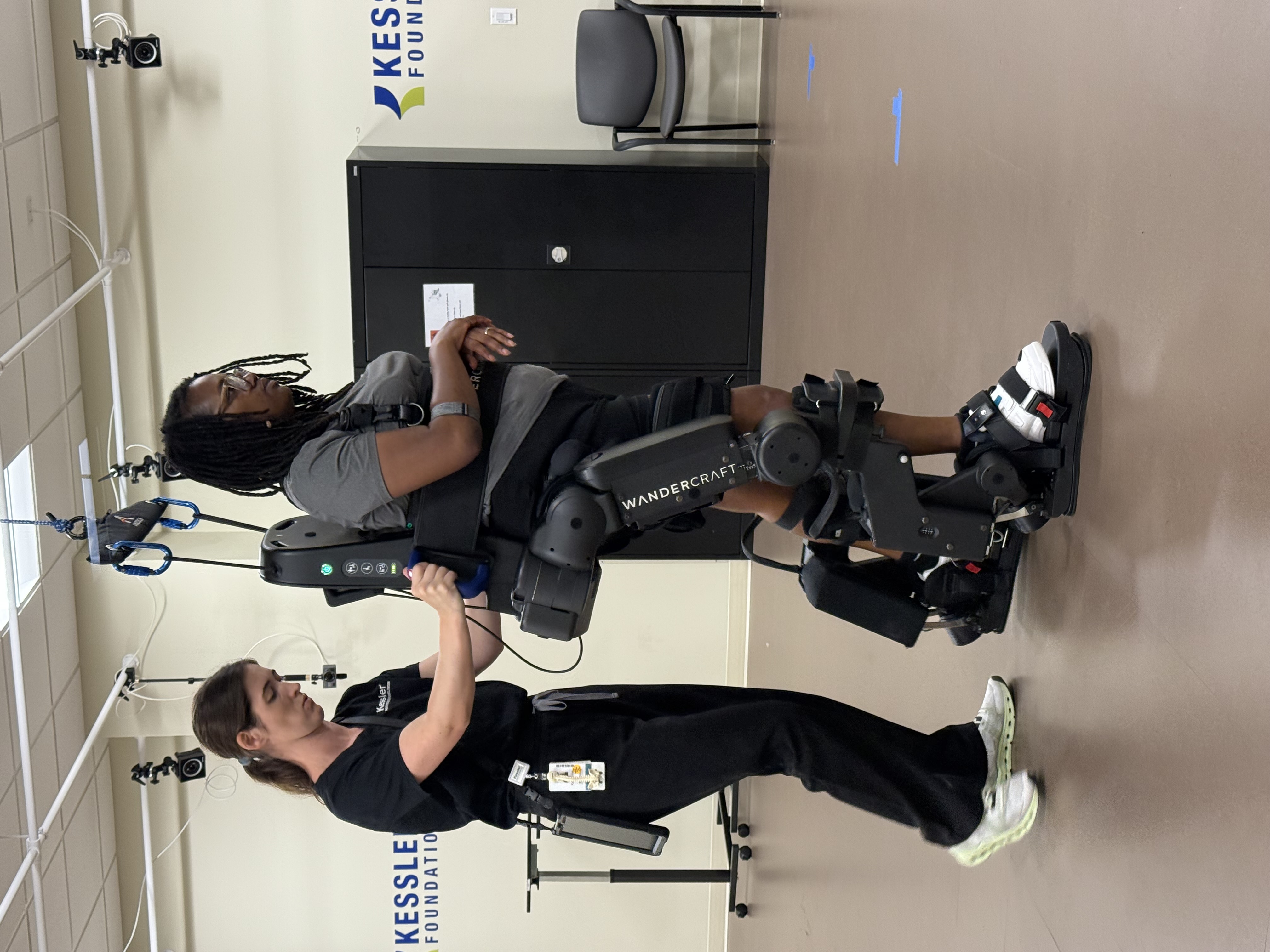
This study compares several robotic exoskeletons used for gait training after stroke to determine how different device features match individual patient needs. Over more than 15 visits across six weeks, participants take part in structured walking sessions while researchers evaluate changes in their functional performance. The findings will guide clinicians in prescribing robotic exoskeletons and help tailor rehabilitation strategies to support walking recovery after stroke. Principal investigators: Karen Nolan, PhD, and Kiran Karunakaran, PhD.
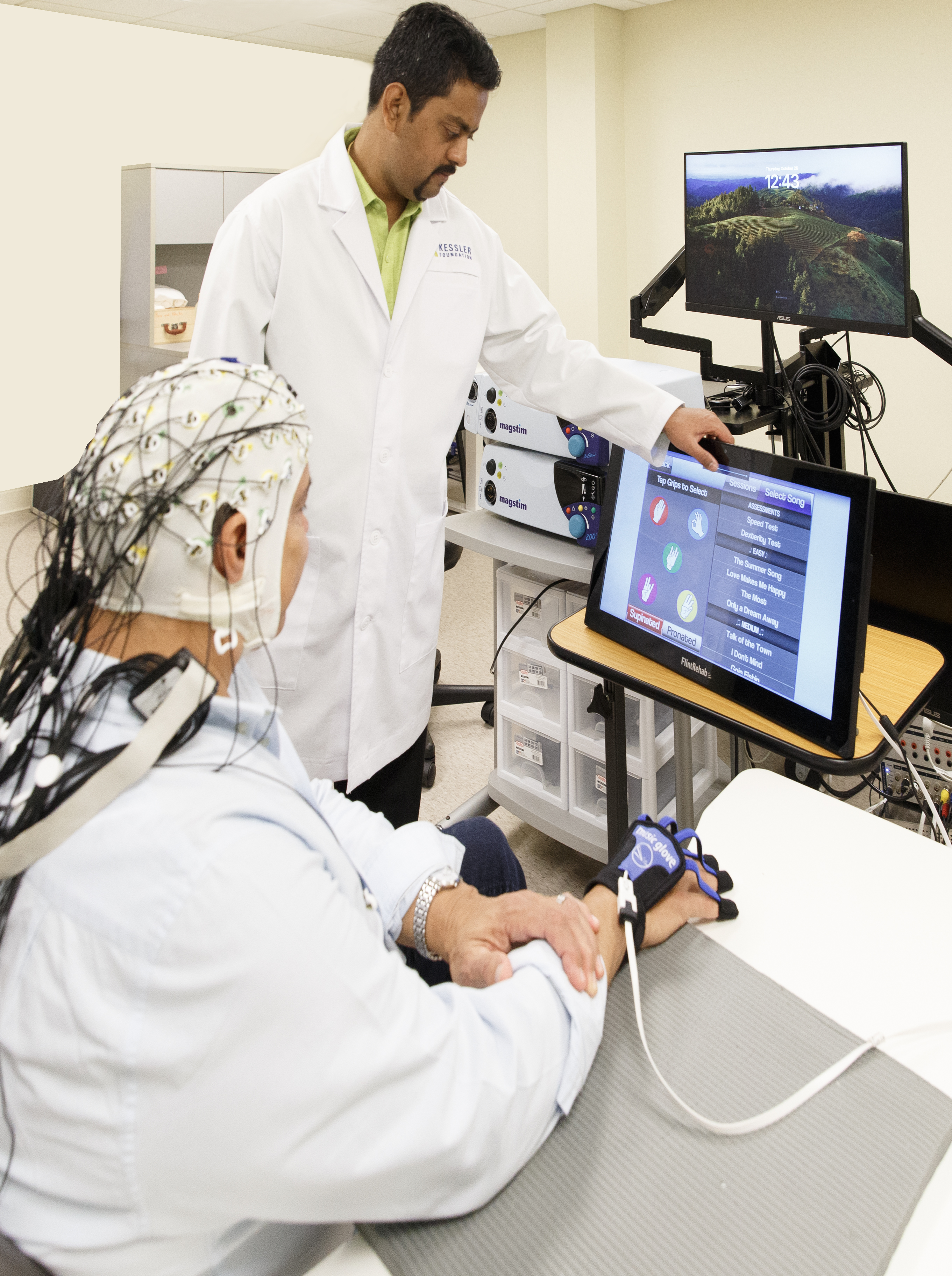
This clinical trial tests whether noninvasive brain stimulation can enhance robotic balance training after stroke. Researchers use each participant’s MRI to personalize stimulation targets and EEG to measure changes in brain activity during therapy. Over four months and 21 visits, participants complete structured training while scientists evaluate improvements in balance control and neural function. Principal investigator: Vikram Shenoy, PhD.

This project gathers feedback from participants and clinicians involved in Kessler Foundation RERC studies. Through focus groups, researchers explore the benefits, limitations, and practical challenges of rehabilitation technologies designed to support walking and mobility. The insights help identify what works, what needs improvement, and how innovative technologies can better fit clinical workflows and user needs. Principal investigator: Peter Barrance, PhD.
Development of Emerging Rehabilitation Technologies
The RERC’s development projects advance next-generation rehabilitation technologies prior to clinical research. Our scientists assess devices, algorithms, and stimulation systems to improve function and responsiveness to individual needs, preparing the next generation of tools.
Brain Stimulation Combined with Robotic Balance Training After Traumatic Brain Injury
This study aims to improve balance control in individuals with traumatic brain injury, a common challenge affecting mobility and stability.
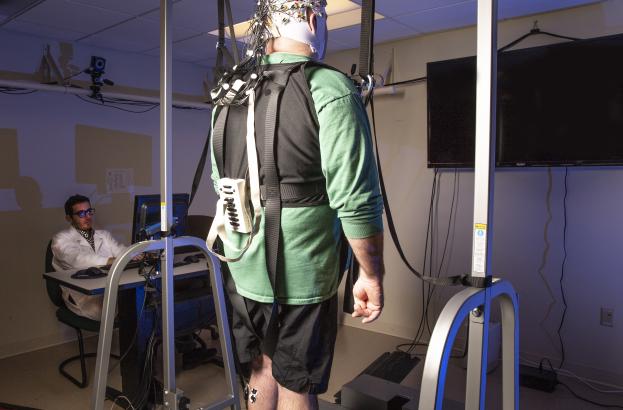
The federally funded RERC integrates engineering development with clinical testing and user experience research. Scientists collaborate with clinicians, individuals with disabilities, and partners at leading New Jersey institutions to ensure new technologies translate into meaningful gains in mobility, care, and quality of life. Researchers also share findings globally and train future leaders through fellowships and hands-on programs.
Our RERC Collaborators




Scientists on the RERC Team
Scientists on the RERC Team








Kessler Foundation RERC is funded by the National Institute on Disability, Independent Living, and Rehabilitation Research (Grant #90REGE0025).
