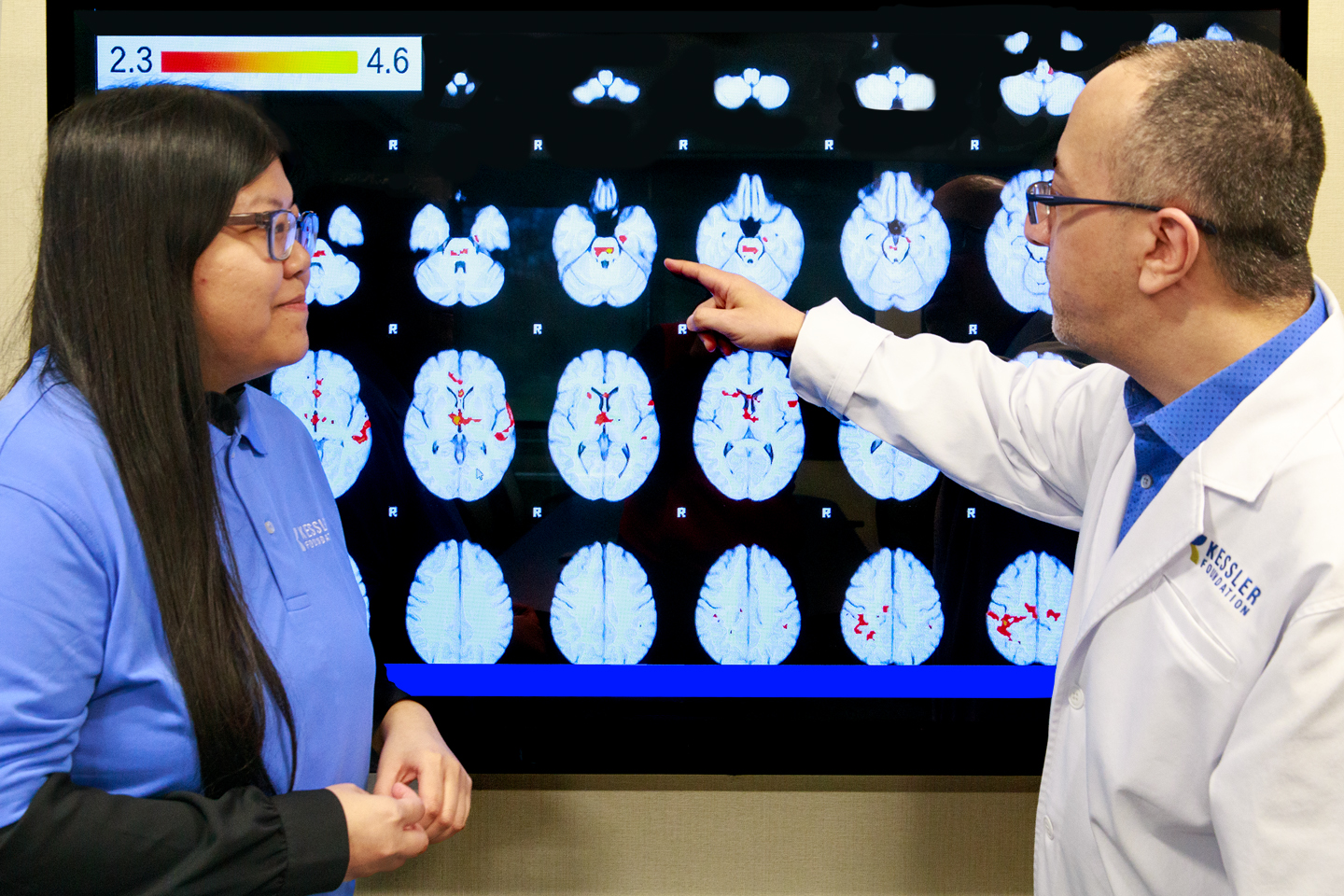
Center scientists explore the long-term and complex effects of TBI through research that goes beyond clinical settings and into everyday life. They prioritize outcomes that are most important to individuals and families, such as real-world participation, well-being, and recovery across the lifespan.
The Center partners with individuals living with TBI, their families, and the broader community to ensure research is grounded in real‑world experience. This collaborative approach leads to studies that address everyday challenges and findings that are relevant, practical, and meaningful.
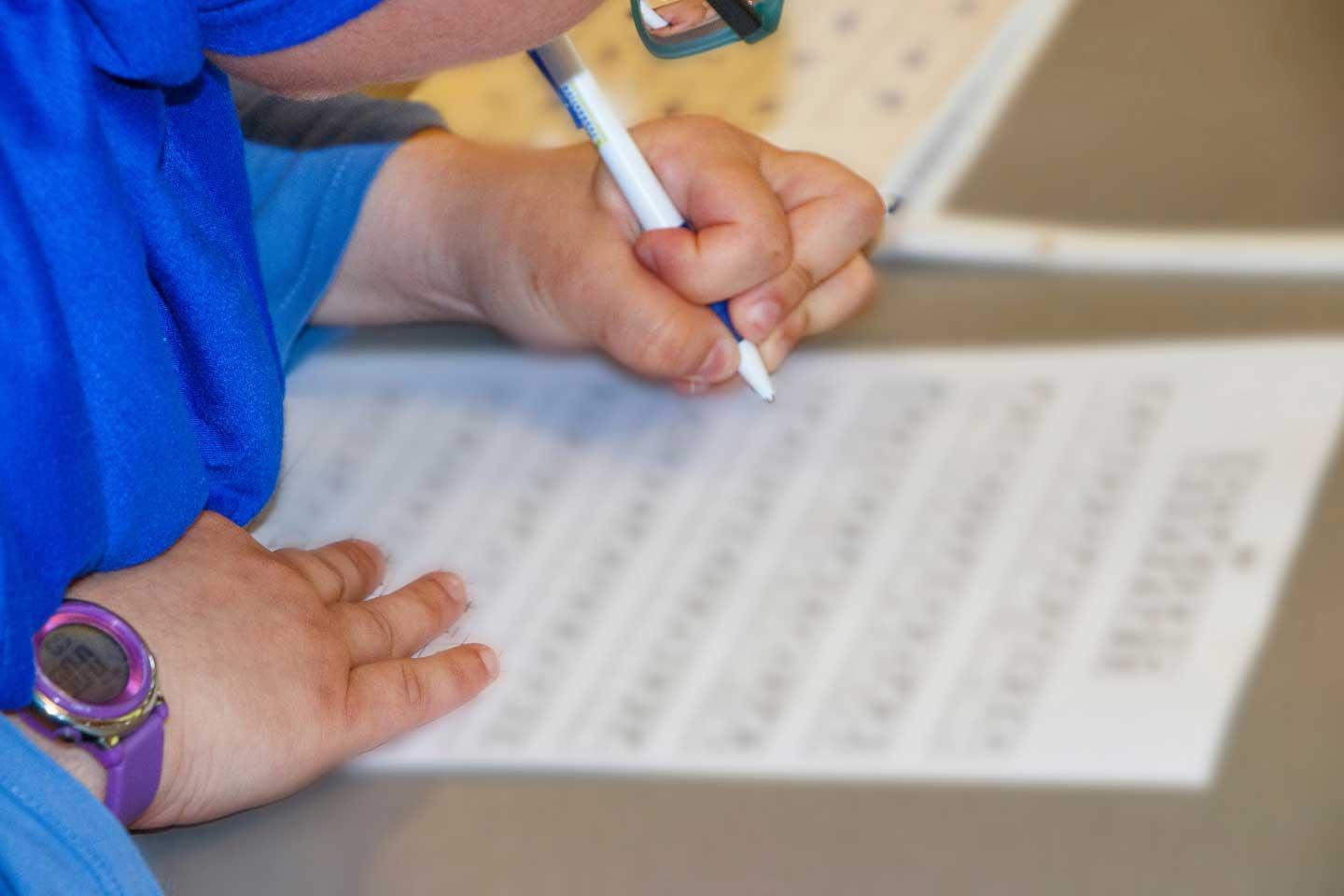
Researchers study attention, learning, memory, and executive function, with a focus on how cognitive challenges affect daily activities such as managing responsibilities, maintaining relationships, and returning to school or work. Interventions are designed to translate cognitive gains into meaningful improvements in everyday life.
Traumatic brain injury can affect emotional regulation, motivation, and mental stamina. The Center conducts research on emotional processing, fatigue, and effort to better understand how these factors influence recovery, participation, and quality of life. This work informs interventions that support emotional well‑being and sustained engagement in daily activities.
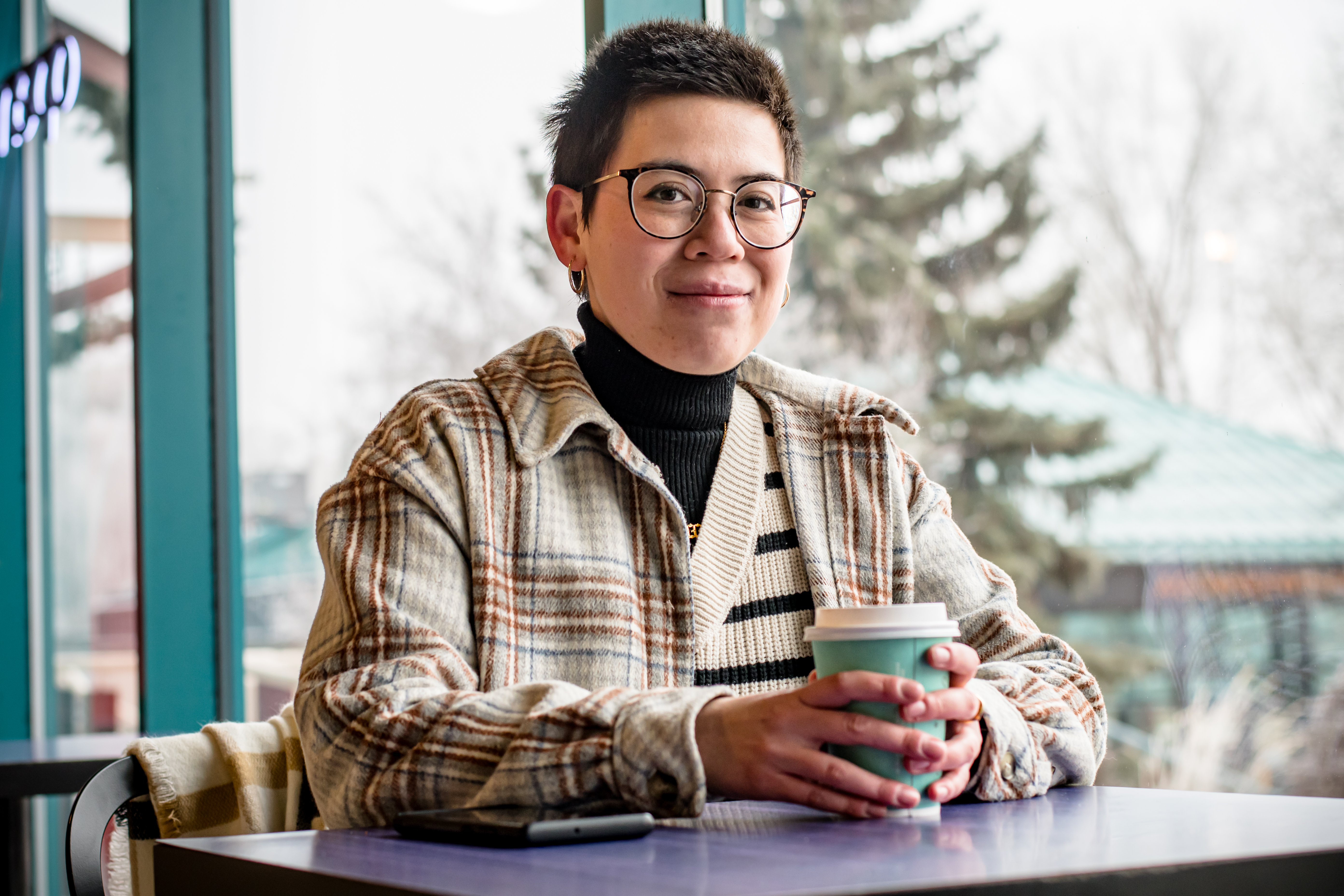
Beyond symptom reduction, the Center prioritizes research that addresses overall well‑being. Studies examine life satisfaction, resilience, and psychosocial health, including interventions that can be delivered remotely or in community settings to support individuals living with TBI over time.
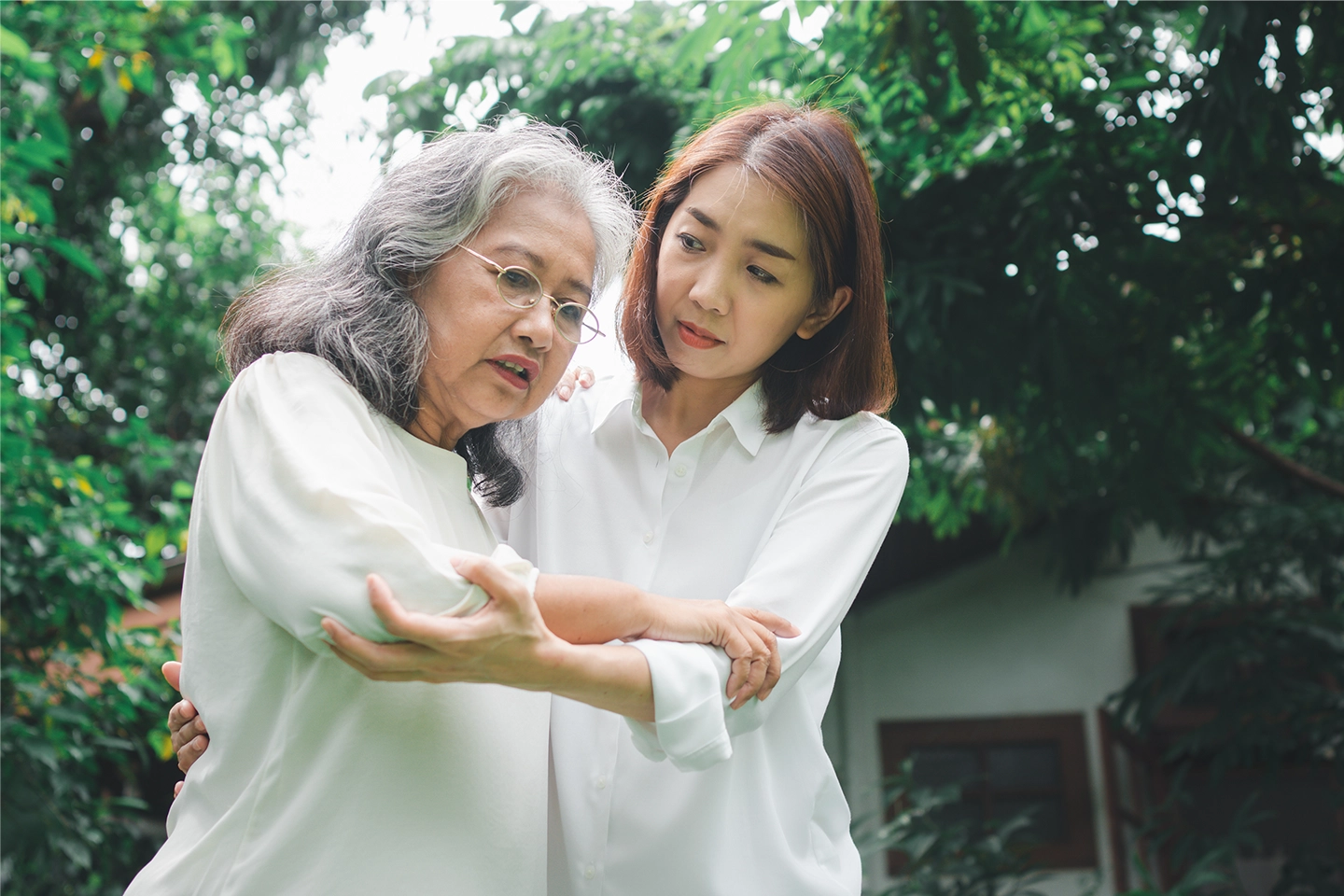
Traumatic brain injury affects not only individuals, but also families and caregivers. Through collaborative research initiatives, the Center examines caregiver experiences and develops strategies and resources that support long‑term adjustment, coping, and quality of life for care partners.
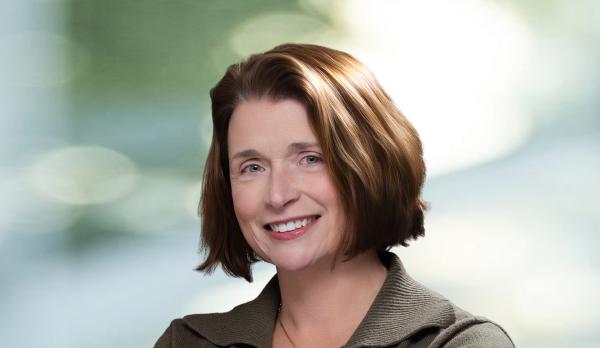
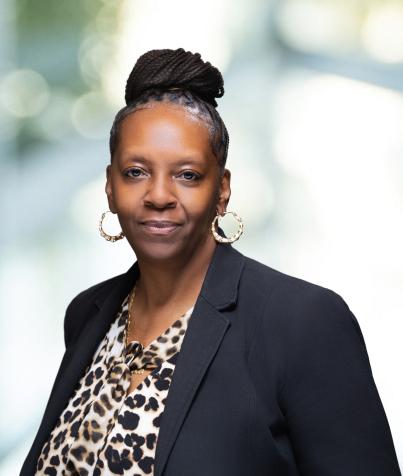
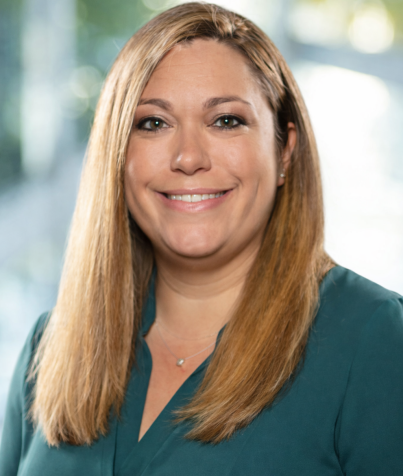
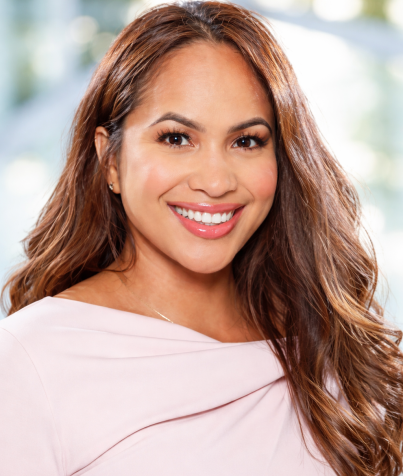
Center Leadership
Center Leadership
As part of a federally designated Traumatic Brain Injury Model System, the Northern New Jersey Traumatic Brain Injury System (NNJTBIS), our scientists contribute to national, multi‑site research and follow individuals with TBI over time to better understand long‑term outcomes. Findings are shared through clinical partnerships, professional education, and accessible publications to ensure that research informs care, services, and decision‑making.
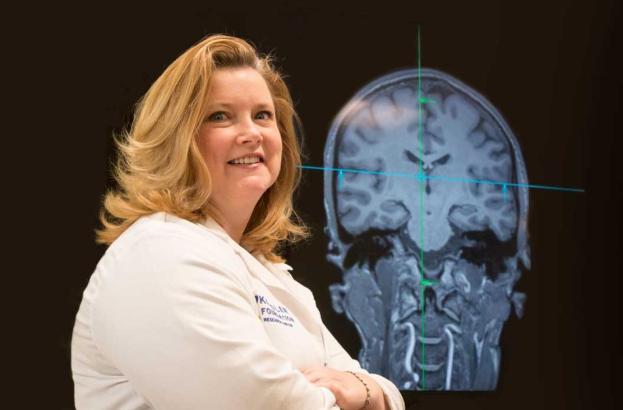
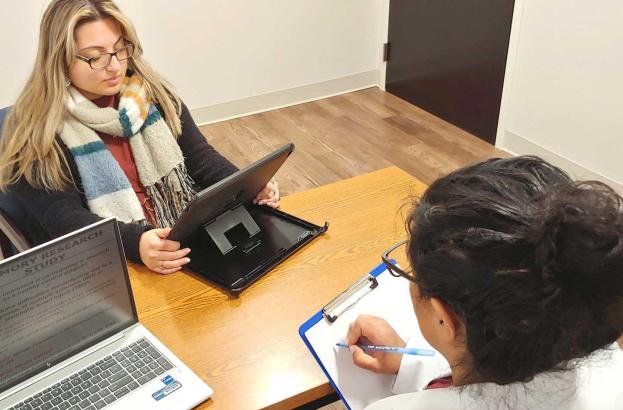
To improve a person’s ability to learn and remember new information, researchers here established a memory retaining treatment protocol using context and imagery. This cost-effective, drug-free, computer methodology is called Kessler Foundation modified Story Memory Technique (KF-mSMT®). Ongoing studies show significant improvement in persons with TBI, especially on memory tasks. KF-mSMT was developed by Nancy Chiaravalloti, PhD, and team. It is available for clinical use in English and Spanish.
Read or Listen to Brainwaves, Our TBI Newsletter
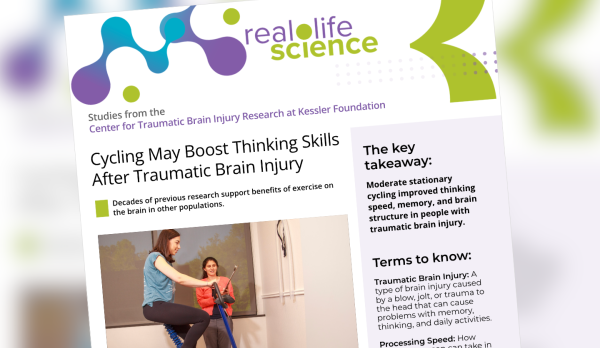
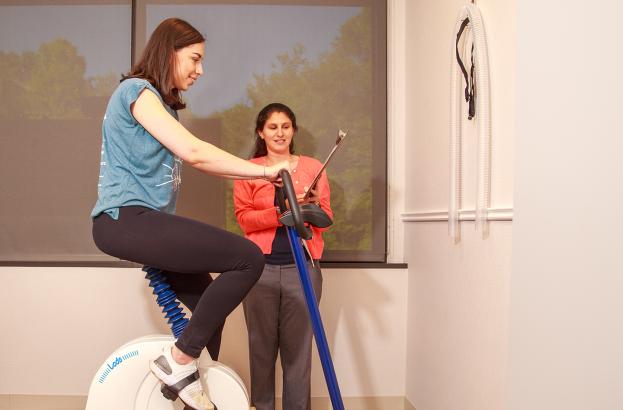
Applying Exercise to Improve Memory in Traumatic Brain Injury
This study compares the effects of two, 12-week exercise programs (aerobic cycling or stretching-and-toning) combined with memory retraining on cognitive (thinking) performance in people with traumatic brain injury.
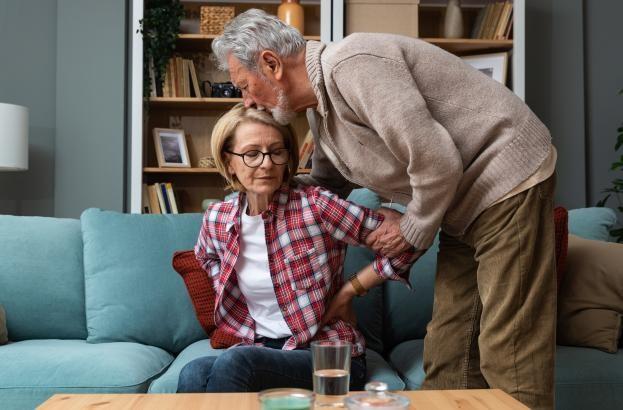
More than five million Americans with TBI need long-term help with daily activities, most often provided by family caregivers whose own health and well-being can be negatively affected by the demands of care. Research focused on caregiver needs is helping families manage these challenges, strengthen their resilience, and provide better support for loved ones living with brain injury.
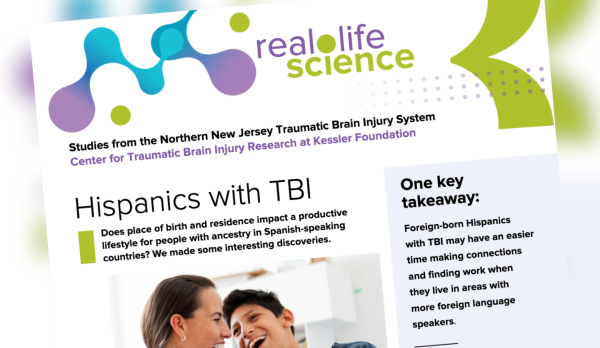
Real-Life Science Connects Our Research to Everyday Life
For more than a decade, I have lived with the physical, cognitive, and emotional effects of a traumatic brain injury. Before my injury, I was a stand-up comic, worked in television, and led an active life. Then, everything changed when my car was struck head-on by a driver who fell asleep at the wheel. Since then, everyday tasks can feel overwhelming. I struggle with memory, anxiety, balance, and pain. One of the hardest parts has been feeling unseen, especially when others focus on what has changed instead of recognizing who I am today.
Through it all, I have learned to adapt, communicate my needs, and hold onto the parts of myself that remain central to who I am. My sense of humor continues to help me through difficult days. I also still speak Spanish and play five instruments: piano, guitar, ukulele, clarinet, and harp.
My journey eventually led me to Kessler Foundation, where I have taken part in several research studies. Through that participation, I have learned strategies that help me recognize people, manage anxiety, and stay focused, skills that support my everyday life and help me move forward with confidence.
I am proud of the progress I have made and of the role I play in advancing research that may help others living with brain injury. That progress has also inspired me to explore my family’s genealogy, a meaningful project that strengthens my concentration, sharpens cognitive skills, and uncovers stories I hope to put down on paper.
I am also deeply grateful for my husband and two children, who have stood beside me throughout my recovery. Together, we have found strength as a family. I also credit my Kessler Foundation “family” for welcoming me, offering guidance, and recognizing me for who I am now.
Today, I continue to navigate the ups and downs of life after traumatic brain injury with honesty, resilience, and hope. My story reflects the importance of being seen, supported, and given opportunities to keep growing after a life-changing injury.
I am grateful to Kessler Foundation for providing those opportunities and for the care, research, and community that have helped me move forward.

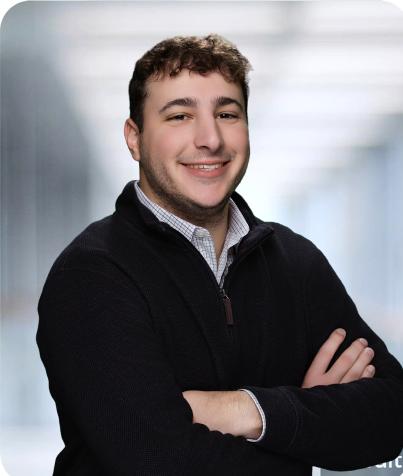
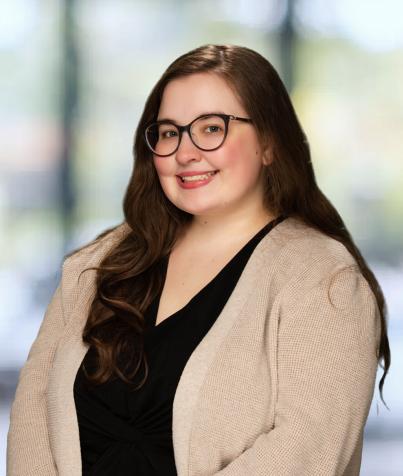
Center Team
Our Traumatic Brain Injury Scientists in Action