
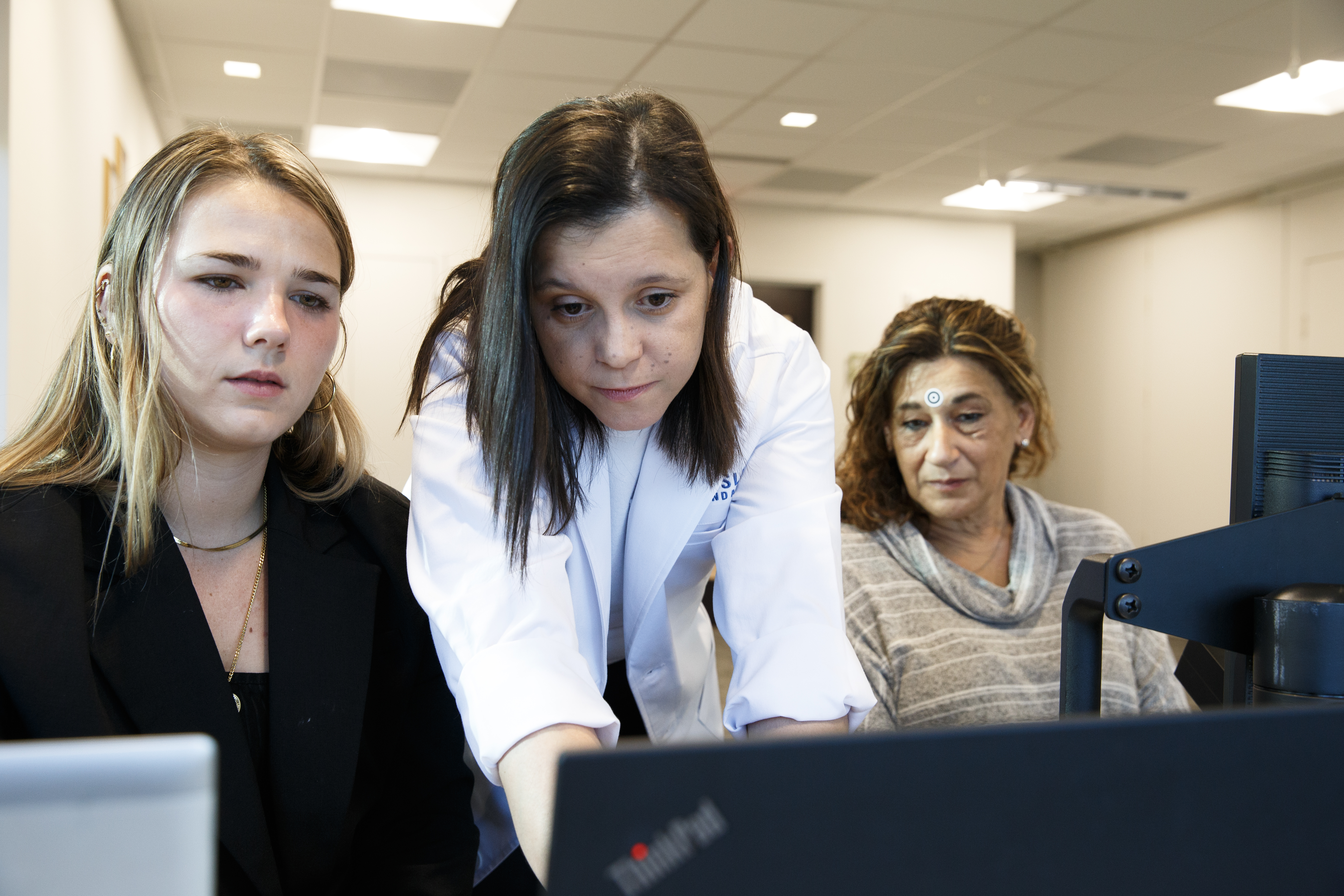
Our Vision
With the support of our donors, our award-winning scientists develop and test novel interventions to transform care and optimize mobility, cognition, and quality of life for people with disabilities. We study traumatic brain injury, spinal cord injury, stroke, multiple sclerosis, autism, and other neurological and developmental conditions.
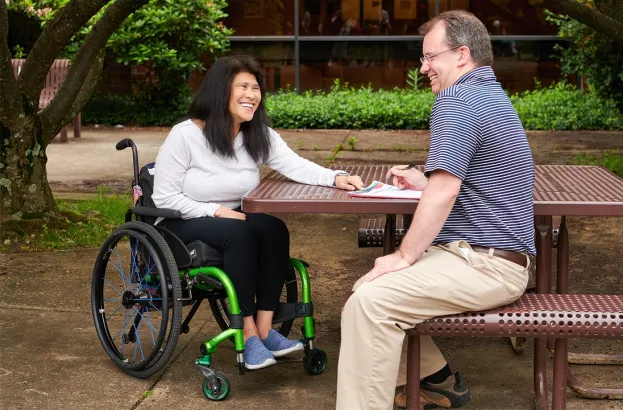
scientists and support staff advancing life-changing research
active rehabilitation research studies
national and international collaborators
year of establishment
We set the standard for excellence in rehabilitation research through bold ideas, scientific rigor, and meaningful evidence-based results to translate discoveries into life-changing solutions.
We actively partner with world-class rehabilitation hospitals and research institutions, community organizations, and supporters of our mission to harness collective expertise and amplify impact.
We celebrate differences, value every voice, and create a culture of belonging rooted in empathy, respect, and dignity for all.
Your Support Fosters Recovery and Resilience
When you give to Kessler Foundation, you change the landscape of what's possible for people with disabilities. Guided by our mission, vision, and values, your support helps ensure research delivers meaningful results for real people.
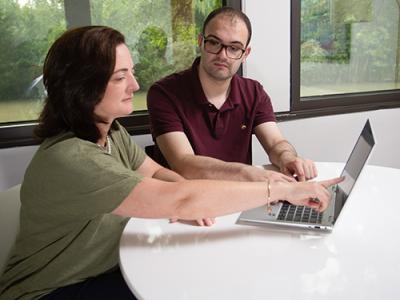
Turning Gabriel's Interview Anxiety into Confidence
For Gabriel, an autistic young adult, each practice job interview with KF-Stride® learning program built his confidence and helped him recognize the strengths he already possessed...
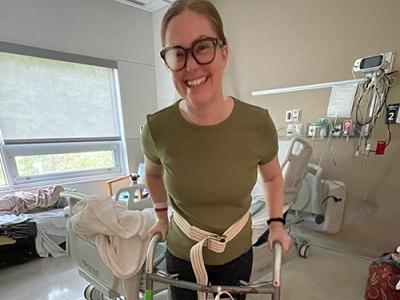
Hillary's Recovery to Advocacy After Traumatic Brain Injury
Her recovery from spatial neglect after a TBI began with a research study, but what Hillary Hartnett did next transformed far more than her own life...
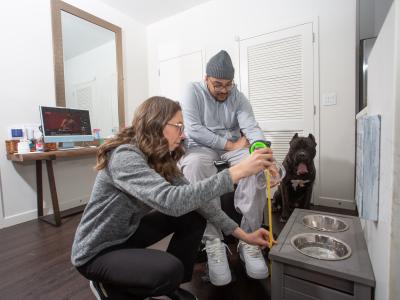
Louis Ayala at Home, Safe and Stronger After SCI
After a motorcycle crash left Louis Ayala with a spinal cord injury, returning home after rehabilitation brought a new set of challenges. “You leave rehab and suddenly you’re dealing with everything on your own. “It’s overwhelming…”
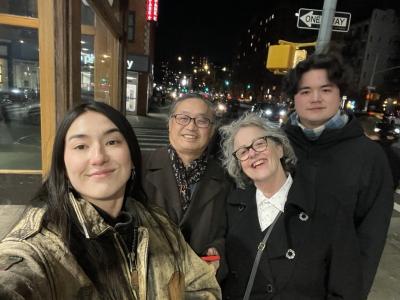
Jessica Huff, Seen for Who I Am
Jessica Huff shares how research participation helped her navigate life after traumatic brain injury, build new strategies, and continue moving forward with hope...
Kenny Diamond, From Love, A Lasting Impact
The Kenny Diamond Memorial Fund to support research in spinal cord injury at Kessler Foundation was established by the Diamond family to honor their son Kenny who passed away...
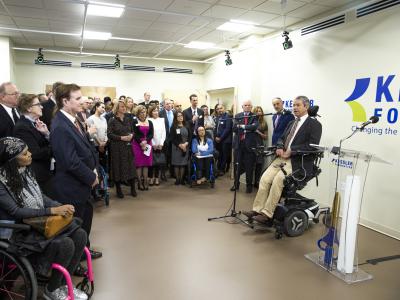
Peter Hersh, Life With SCI, Made Easier
Dr. Peter Hersh, who lives with a spinal cord injury, was among the first to experience transcutaneous spinal stimulation...
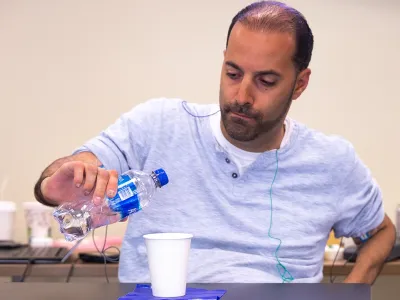
Small Movements. Big Wins.
After sustaining a spinal cord injury in 2004, Jimmy approaches his post-injury rehabilitation with the same athletic drive he put into baseball...
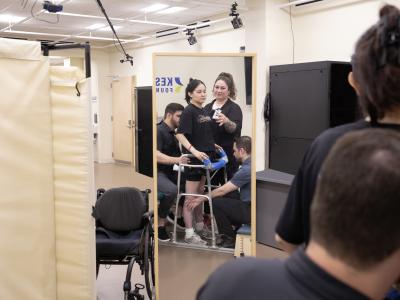
Alexa Is Making Moves After SCI
At age 21, Alexa Alvarez was diagnosed with acute transverse myelitis, a rare nontraumatic cause of spinal cord injury...
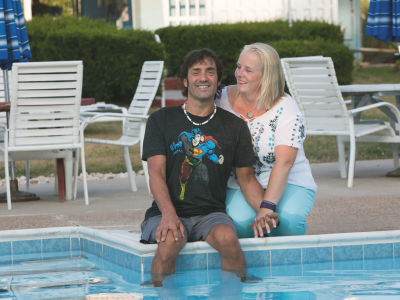
Bill Pastras, Why Research Matters to Me After My Stroke and TBI
In 2017, my life changed in an instant. While driving on the New Jersey Turnpike, I suddenly felt weak and lost control of my car...
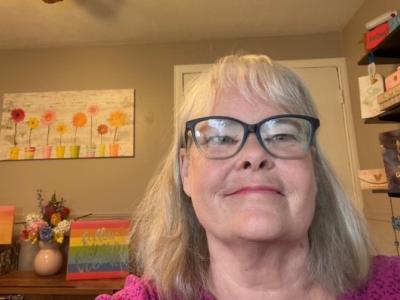
Therese Bertrand, Finding My Way Forward With Multiple Sclerosis
A phone call changed Therese Bertrand's life. It brought a diagnosis she had never expected...
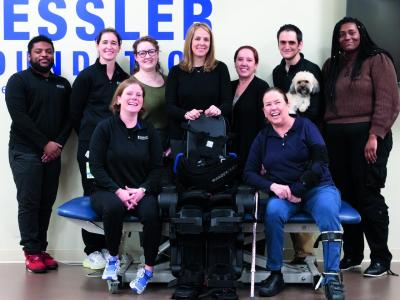
Suzanne Cliff's Journey After Stroke
Suzanne had always been a take-charge kind of person. That all changed after her stroke...
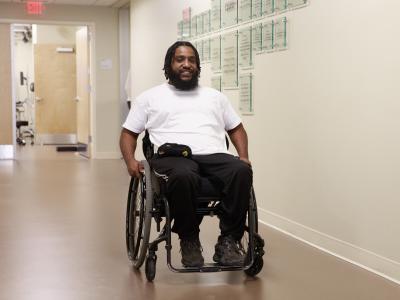
Rafael Torres, Finding Hope After SCI
Almost 20 years ago, Rafael's life changed in an instant. He woke up in the hospital and learned he was paralyzed from the waist down.
Progress starts with people, and it’s only possible because of people like you.
Rehabilitation is the precious gift of hope translated into action.
Your Support Enables Us to Carry Dr. Kessler's Vision Forward
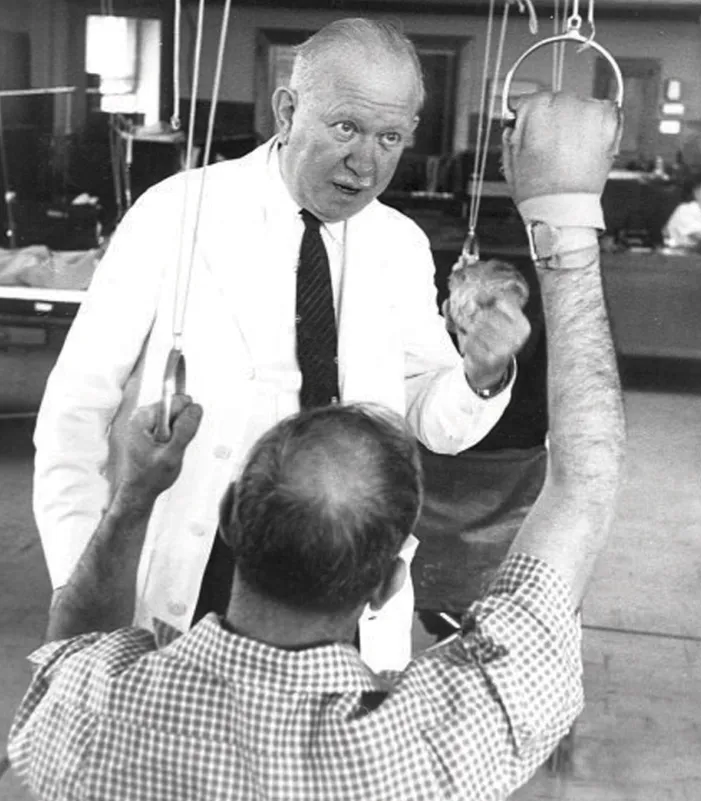
Dr. Kessler believed that recovery does not end with medical treatment. As a pioneering physician and founder of the Kessler Institute for Rehabilitation, he helped shape a new field of medicine focused on the whole person, recognizing that physical healing must be paired with emotional support, skill‑building, and opportunities to re‑engage in community life.
In The Knife Is Not Enough, Dr. Kessler chronicled the evolution of rehabilitation medicine and emphasized the importance of restoring purpose and independence, not simply treating injury or illness. His work underscored the role of vocational guidance, community involvement, and long‑term support in helping people rebuild their lives.
As an independent not-for-profit research organization, Kessler Foundation continues Dr. Kessler's vision through research to advance evidence‑based solutions that expand opportunity, foster inclusion, and help people with disabilities lead the lives they choose. Kessler Institute, our frequent collaborator, is a for-profit top rehabilitation hospital.
Foundation Grantmaking Program Concludes in 2025
Kessler Foundation concluded its long-running grantmaking program at the end of 2025 after more than two decades of supporting initiatives that expanded employment opportunities for people with disabilities. While we are no longer accepting grant applications, we remain proud of the program’s impact, the partnerships that made this work possible, and the lessons learned from past grant-supported initiatives.
