
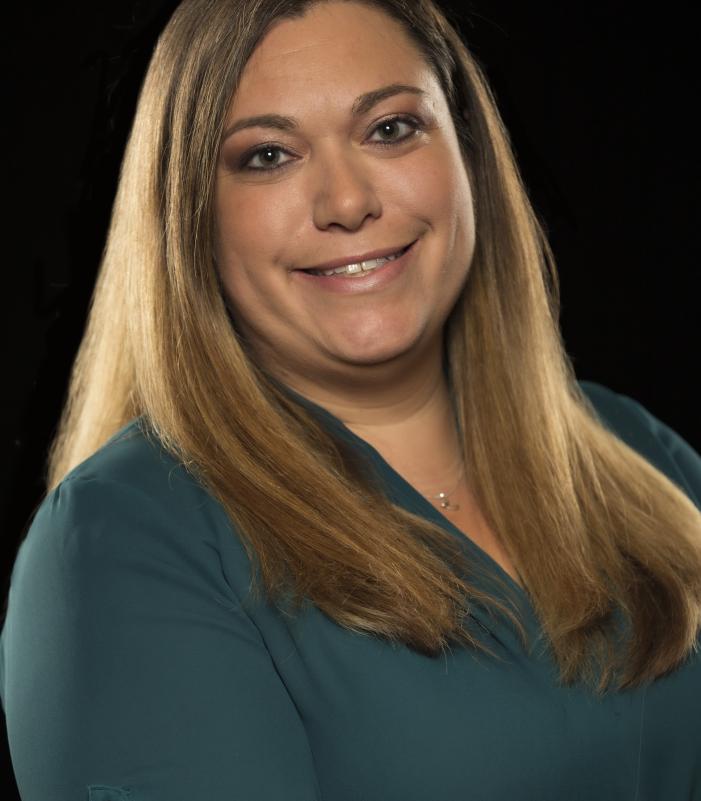
Creating strategies that enhance time-based functioning can help people with multiple sclerosis, traumatic brain injury, and other neurological conditions improve their prospective memory and support their efforts to stay independent.
Erica Weber, PhD, directs the Assessment and Rehabilitation of Everyday Cognition Laboratory within Kessler Foundation's Center for Traumatic Brain Injury. Dr. Weber's research investigates the effectiveness of cognitive rehabilitation across various neurological conditions, focusing on treatment-related brain changes observable through neuroimaging. The Lab explores methods to enhance prospective memory, which is the ability to execute an intention at a future time, or “remembering to remember.” Time-based tasks, such as calling the doctor on Wednesday morning or taking medication at a specific time, demand higher-order cognitive resources for success. Impairments in prospective memory can interfere with many daily activities, reducing individuals' independence. Furthermore, Dr. Weber studies cognitive deficits in people with spinal cord injury. After SCI, most assessment and rehabilitation efforts concentrate on physical symptoms, often neglecting cognitive issues. Her research aims to increase awareness of cognitive impairments following SCI and to equip clinicians with brief, validated screening tools to identify patients who may need further cognitive assessment and intervention.
New Jersey Commission on Brain Injury Research
New Jersey Commission on Spinal Cord Research
National Institute for Neurological Disorders and Stroke
