
NNJTBIS is one of only 16 centers in the U.S. funded for the current Traumatic Brain Injury Model System grant cycle. All centers collect lifelong data, including demographic, functional, and cognitive information, for the national TBIMS database. This shared resource advances research, guides clinical care, and supports individuals with TBI and their caregivers.
NNJTBIS enrolls approximately 35 to 40 newly injured individuals each year and follows almost 1,000 people with chronic TBI throughout their lives. Researchers collect information such as how the injury happened, how severe it was, daily activities, social life, work, and overall health. This helps them understand how TBI affects people and their caregivers over time, so they can create better ways to meet their needs. NNJTBIS also participates in collaborative studies, which focus on a variety of topics such as quality of life after injury, cognitive changes, differences in menopausal symptoms in women with TBI, and the resilience of caregivers.

Our NNJTBIS researchers conduct studies to improve outcomes for minority groups. They identify disparities in rehabilitation, access to services, and social determinants of health, then develop evidence-based strategies to reduce inequities for underserved people living with disabilities and their caregivers.

The Model Systems Knowledge Translation Center works closely with researchers across all national Model Systems to develop resources for people living with traumatic brain injury and their supporters. These evidence-based materials are available in a variety of formats such as printable PDF documents, videos, and slideshows.
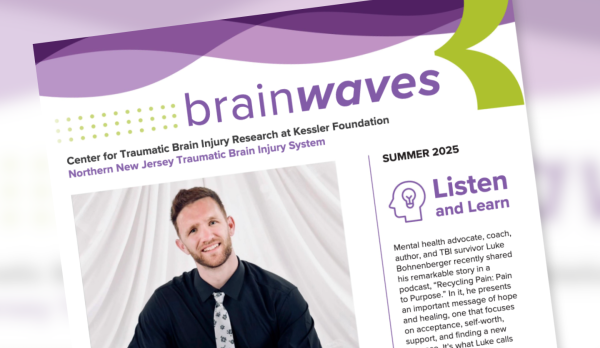
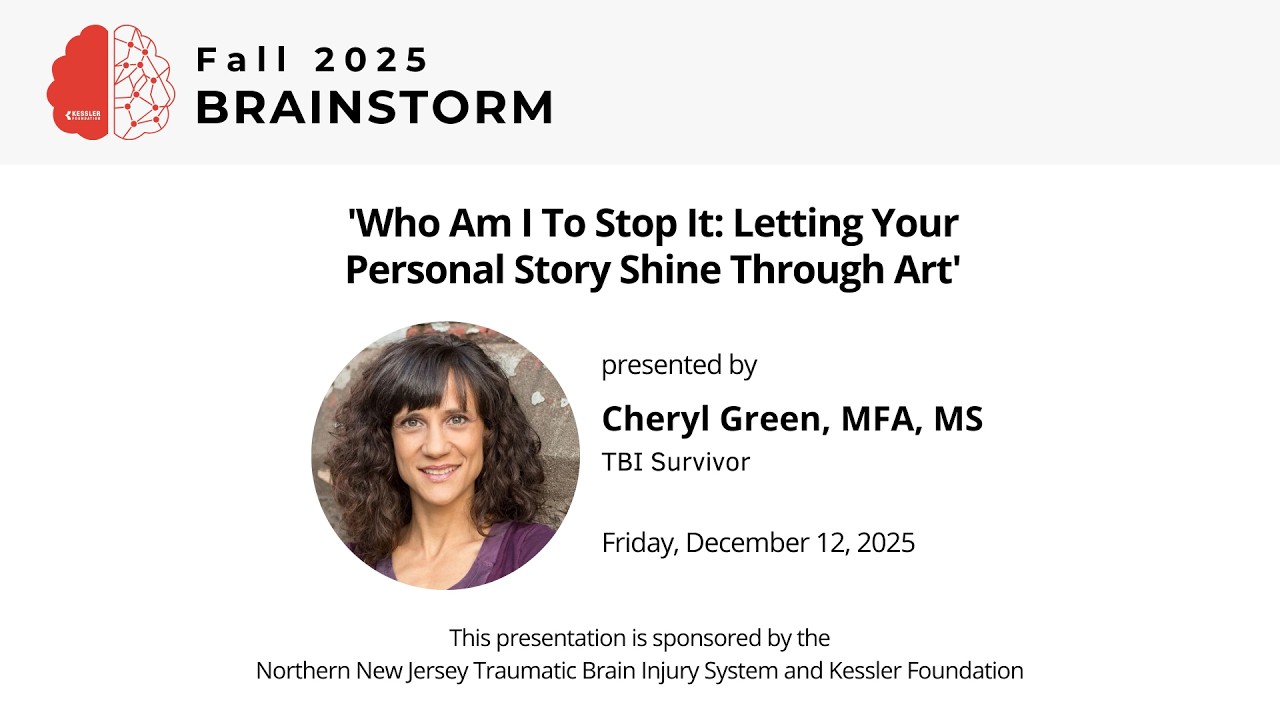
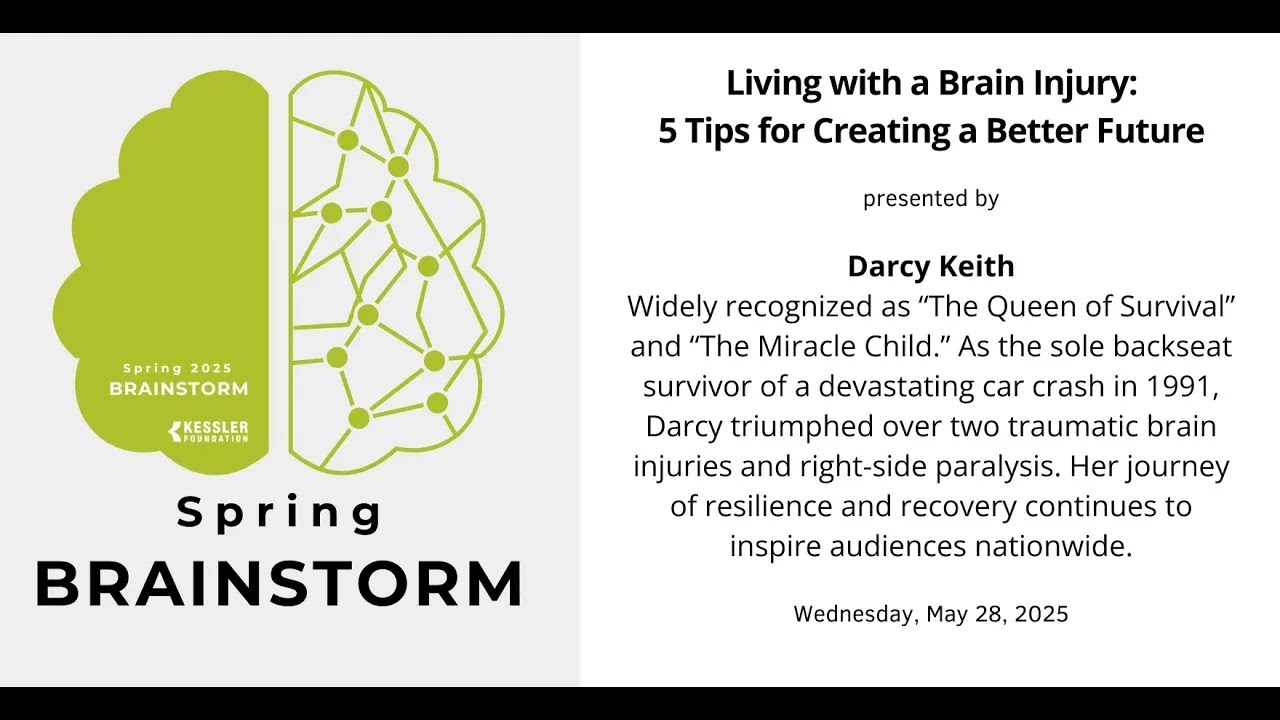
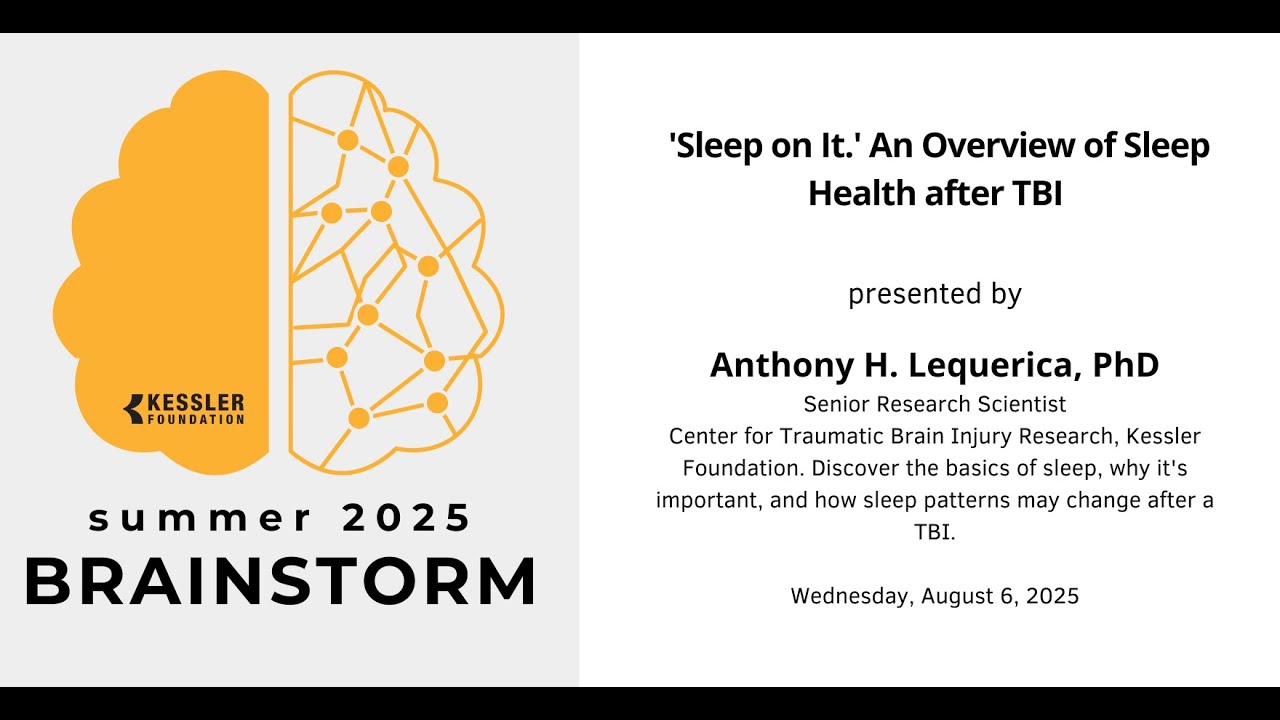
Check out our podcasts, videos, and recent news
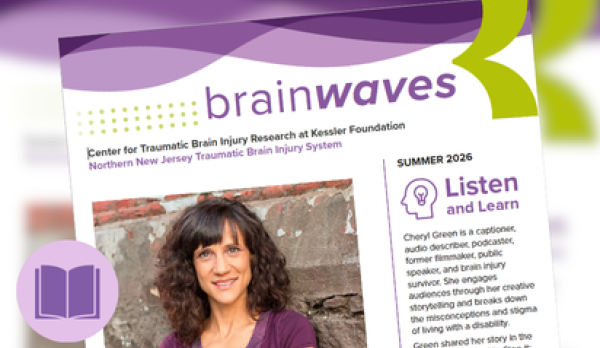
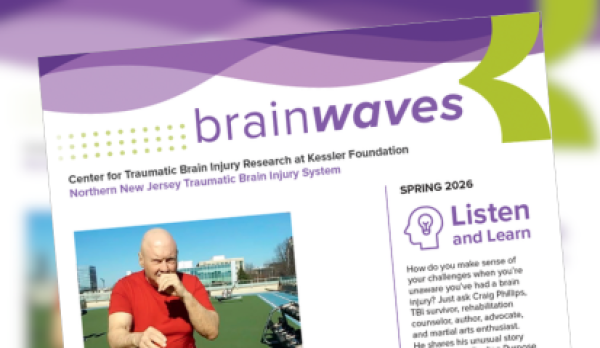
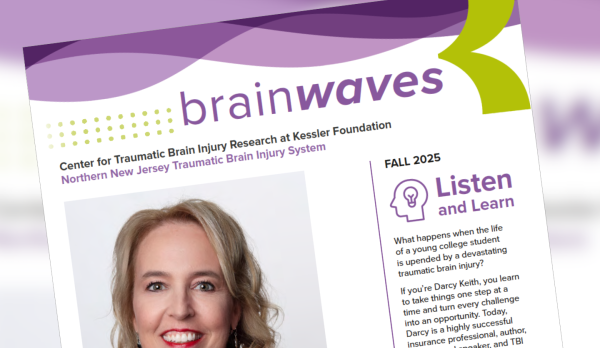
Helping individuals and families adjust to life after TBI is an important part of the NNJTBIS mission. We connect with the community at TBI consumer conferences and through several media channels. Here you'll find practical information on advocacy organizations, support groups, caregiver support, and vocational resources.

The project director for the NNJTBIS is Nancy Chiaravalloti, PhD.
The NNJTBIS is supported by grant #90DP0032 from the National Institute on Disability, Independent Living, and Rehabilitation Research (NIDILRR), Office of Special Education and Rehabilitative Services, U.S. Department of Education, Washington, DC.
