
By Sarah Yulianti, Research Assistant, Center for Traumatic Brain Injury Research
While on a blind date, Mimi Hayes, then a 22-year-old college senior, experienced a debilitating migraine. She subsequently developed dizziness and double vision, which she says were repeatedly misdiagnosed. Finally, her worsening symptoms, such as difficulty walking, vomiting, and disorientation, led doctors to perform an MRI. The result? Mimi had a brain hemorrhage caused by a cavernous angioma, a clump of malformed blood vessels in her brain.
“It could have killed me,” she recalls, noting that her symptoms were likely ignored because she looked young and healthy.
Mimi underwent surgery to remove the hemorrhage and entered rehabilitation to relearn how to walk, regain motor skills, and restore her vision. She approached her recovery in typical Mimi fashion: with humor and determination.
 Finding humor in adversity
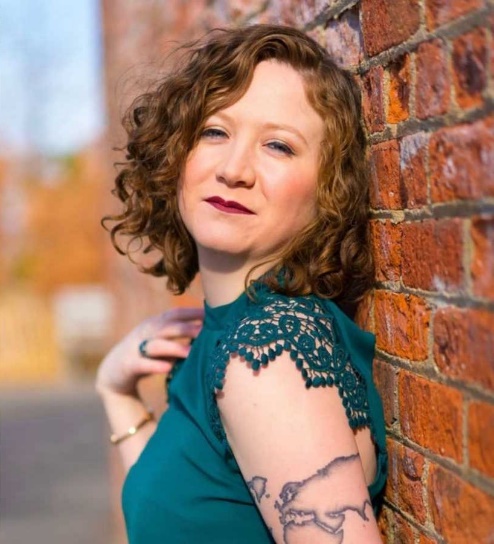
“Humor, or what I call ‘Traumedy,’ became my coping mechanism, a way for me to process the intense emotions that came with facing mortality at such a young age. The whole thing was just this giant deflection... of the pain that I was in and all the confusion,” she says.
As she healed, Mimi still faced the psychological impact of her experience. The fear of a second bleed lingered, and in 2022, that fear became reality when another hemorrhage occurred. This time, however, Mimi was better prepared mentally and emotionally. She had already confronted her mortality and realized that her life, while forever changed, was far from over. In fact, a new chapter was just beginning.
Taking center stage
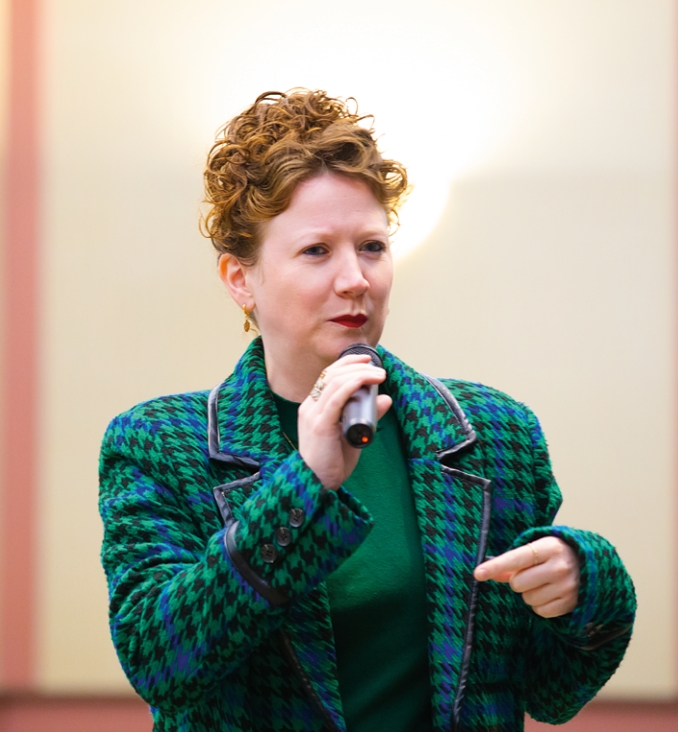
Mimi, a former improv performer, had a natural gift for comedy. She started doing stand-up routines, sharing her experiences of being a brain injury survivor. Her comedy was raw, real, and deeply personal, touching on everything from hospital mishaps to her frustrations with recovery. “I just started getting on stage and doing open mics. There was all this content that hadn’t happened to anybody that I knew,” she notes.
She also wrote a book, It’s Just a Hole in My Head, that emphasizes the importance of embracing vulnerability and finding strength in community. Mimi says, “Find your people because they’re looking for you. We’re all looking for each other. We just want to feel heard. We want to feel understood.”
Finding balance
While acknowledging the challenges that come with living with an invisible disability, Mimi also stresses self-compassion. She admits she still struggles with wanting to push herself beyond her limits, but she’s learned to balance her ambitions with the realities of her health, understanding that rest and self-care are crucial to her well-being.
Today, Mimi Hayes is juggling her comedy career, speaking engagements, and advocacy work on behalf of brain injury survivors. She’s also working on a second book that promises to deliver insight, encouragement, and humor.
 Despite life’s setbacks and uncertainties, Mimi has turned her darkest moments into comedic gold, a testament not only to her talent but also her courage. She knows that with a sense of humor, community, and self-acceptance, it’s possible for us all to overcome the challenges we face. To listen to Mimi’s inspiring presentation, “Traumedy: How I Turned My Brain Injury into a Punchline,” scan the QR code.
