
By Kayla Coutts, PT, DPT, Kessler Institute for Rehabilitation, a Select Medical hospital
For most people who have sustained a traumatic brain injury, exercise supports overall health and recovery. It is shown to improve cognition and promote neuroplasticity, the brain’s ability to rewire itself following injury. Exercise can also address balance, gait, and muscle weakness and minimize other complications, including fall risk. Furthermore, exercise can help improve sleep, reduce stress, and boost one’s mood. It may also help control weight, blood pressure, diabetes, and other co-morbid conditions.
First things first
Before beginning any exercise regimen, it’s important to check with your doctor. While certain types of physical activity may help the healing process, others may be detrimental. Your doctor or a licensed physical therapist can guide you and monitor your progress.
Exercise options
There are two general types of exercise: aerobic and strength-based. Ideally, your routine should include both, if medically appropriate. Also known as cardio, aerobic activities – walking, cycling, dancing, and swimming – elevate your heart and breathing rates and increase endurance. Strength-based exercise – lifting weights, using resistance bands, or doing squats, pushups, and other bodyweight moves – builds muscle.
Now, the hard part
It’s easy to talk about exercise, but far more difficult to get started. Here are four helpful tips:
- Choose an activity you enjoy so it will become a healthy habit
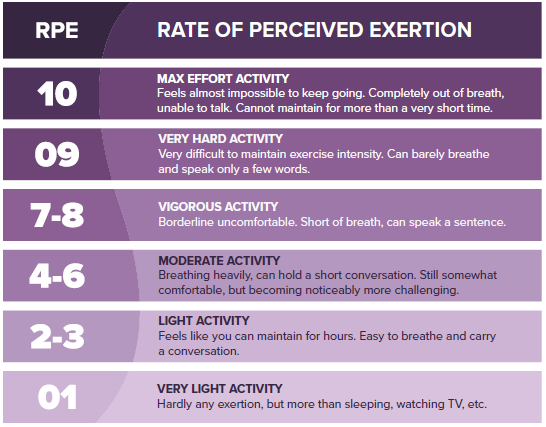
- Start with light activities and increase to moderate, more vigorous levels when ready
- Exercise with a family member or friend, or join an in-person or online class
- Set realistic goals and track your progress toward better health
How do you measure activity levels? Monitoring how you feel during physical activity helps maintain a safe, healthy workout. The Rate of Perceived Exertion scale is a standard tool that looks at breathing, heart rate, muscle fatigue, and sweating. People with TBI are generally advised to begin with light activities, increase to moderate levels for 20 to 60 minutes, three to five times per week, and then consider a more vigorous regimen. Your physician or physical therapist can guide you.
