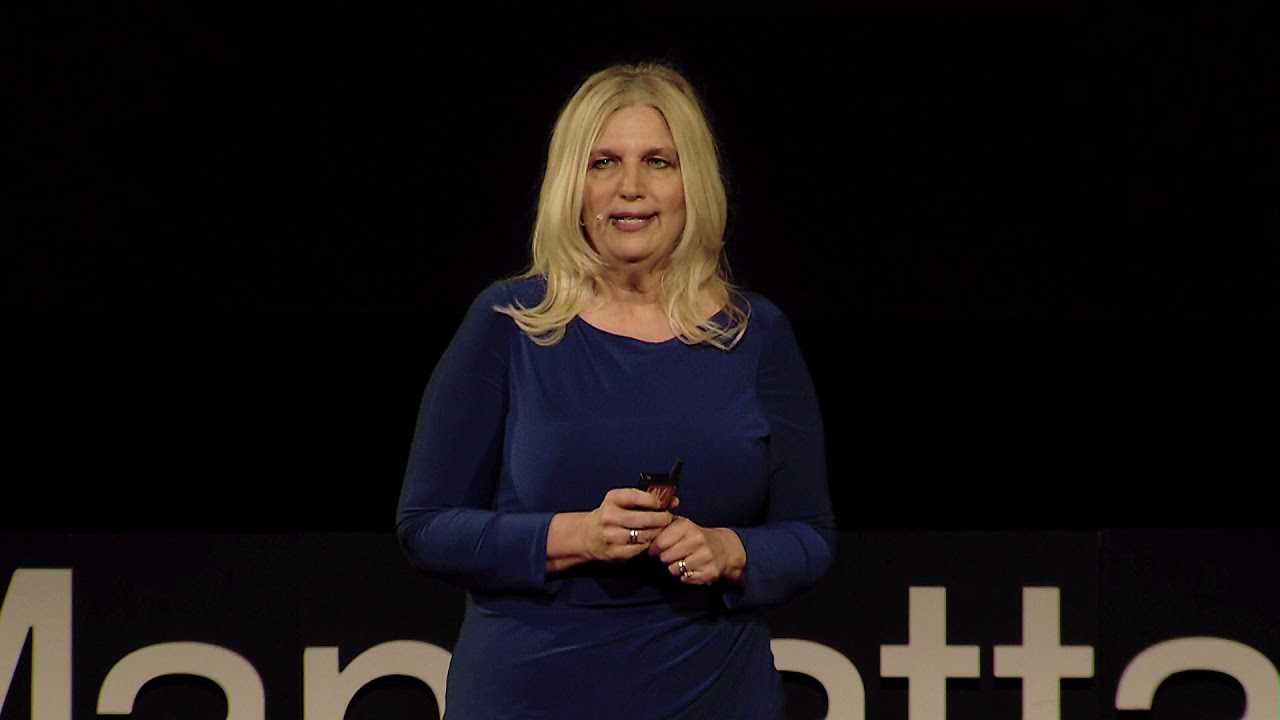
Susan J. Harkema, PhD, is director of Consortium Growth in the Tim and Caroline Reynolds Center for Spinal Stimulation at Kessler Foundation. A nationally recognized researcher in spinal cord injury, Dr. Harkema has helped shape the scientific foundation and clinical investigation of activity-based rehabilitation and spinal cord neuromodulation. At the Foundation, Dr. Harkema concentrates on developing and expanding the research implementation of both transcutaneous and epidural implant stimulation at centers in the U.S. and internationally.
Her work has helped advance spinal cord neuromodulation from studies of activity-dependent plasticity and locomotor training to research on epidural and transcutaneous stimulation for movement, standing, posture, cardiovascular regulation, bladder and bowel function, and other whole-body systems.
Dr. Harkema joined Kessler Foundation in 2024 after nearly two decades at the University of Louisville, where she served as professor in the Department of Neurological Surgery, Owsley B. Frazier Chair in Neurological Rehabilitation, associate director of research for the Kentucky Spinal Cord Injury Research Center, and director of research at U of L Health Frazier Rehab Institute.
Dr. Harkema has published more than 130 scholarly manuscripts and book chapters; delivered over 100 worldwide lectures and keynotes; and participated in numerous advisory boards and review panels.

Background and Expertise
Expertise
Education
Honors
Publications
View a more comprehensive listing of publications for Dr. Harkema on PubMed.
Research Interests
Dr. Harkema investigates how spinal neural networks process sensory information and reorganize in response to activity, training, and electrical stimulation after spinal cord injury. Her studies use epidural and transcutaneous spinal cord stimulation to examine voluntary movement, standing, posture, and upper- and lower-extremity function. She also studies cardiovascular regulation, respiration, bladder and bowel function, neuromuscular activation, and musculoskeletal changes. A related focus is identifying stimulation parameters and task-specific training strategies that target particular motor or autonomic outcomes. Through consortium development, she is building collaborations that support rigorous, multisite research and the responsible translation of spinal stimulation approaches worldwide.
Her recent studies have demonstrated that adults and children living with chronic paralysis can recover voluntary leg movement, stand independently, and improve cardiovascular and bladder function through epidural stimulation. These findings have expanded translational research, driving efforts to enhance the design and functionality of implantable epidural stimulators.
Multimedia